
Stress can be followed by increased hair shedding, but a calming hair-oil ritual does not treat the underlying cause. Use gentle care to protect existing lengths while you investigate persistent or unusual loss. The first decision is whether you are seeing broken strands, increased shedding or a changing pattern of density.
Key takeaways
- Shedding can appear after a stressful event rather than during it.
- Relaxation and treatment of hair loss are different goals.
- Keep cosmetic care gentle and avoid forceful massage.
- Get sudden, patchy or painful hair loss assessed.
Why stress and shedding do not follow the same clock
The American Academy of Dermatology explains that increased shedding can follow illness, childbirth, surgery or a stressful period by a few months. That delay makes it easy to blame the last product you used without considering your broader history.
A dermatologist can distinguish this pattern from hereditary thinning, scalp disease and other causes. Do not diagnose stress-related shedding from a brush alone. Stress and another form of hair loss can occur together.
What a hair-oil ritual can do
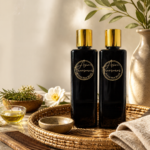
An oiling routine can be a quiet moment of cosmetic care. Gentle application is different from an intervention proven to change a hair-growth cycle. If you choose a botanical oil from Asian Treasures, follow the formula’s directions and stop if your scalp becomes uncomfortable.
Asian Treasures Hair Revival Oil fits a botanical scalp-care routine. Its traditional blend does not establish a treatment for stress-related shedding. Keep its role separate from advice about diagnosis, nutrition or medication.
Separate the concern from the response
| Observation | Next step | What oil does not establish |
|---|---|---|
| Short snapped pieces | Review detangling, heat and handling | A cure for every source of breakage |
| More full-length hairs after a major stressor | Record the history and seek assessment if persistent | Control of the shedding cycle |
| Widening part or receding hairline | Discuss the pattern with a dermatologist | Reversal of hereditary hair loss |
| Pain, sores or bare patches | Arrange professional assessment | A reason to postpone evaluation |
Build a routine without adding more pressure
Keep the wash routine familiar
Wash according to scalp oiliness and dirt. Use conditioner for your lengths and avoid rough towel rubbing. When several products change at once, you lose a clear view of what your scalp tolerates.
Stop checking your hair constantly
Use consistent observations rather than repeatedly pulling or counting hairs. If you take photographs, keep lighting and the parting similar. Photos can help describe a concern to a clinician, but cannot confirm a diagnosis.
Prepare useful information for your appointment
- When you first noticed the change.
- Recent illness, surgery, childbirth or major stress.
- Medication or supplement changes.
- Scalp itching, pain or inflammation.
- Changes in hairstyle, heat use or chemical treatments.
Do not stop prescribed medication because you suspect it caused shedding. Ask the prescribing clinician about your concern.
What about recovery time?
The AAD describes normal fullness returning within 6 to 9 months for many people after stress-related excessive shedding stops. That is a general observation, not a promise for your case or a result timeline for any oil. Persistent stress, another cause of loss or an uncertain diagnosis changes what you need next.
FAQ
Can massage stop stress-related shedding?
A soothing massage is not established as treatment for the shedding cycle. Keep pressure light and stop if it hurts.
Does every stressful period cause hair loss?
No. Do not assume stress is the explanation for a change in your hair without assessment.
Should I switch oils if I see more hair in the shower?
Stop an oil that irritates your scalp. Otherwise review the overall history rather than assuming the most recent product caused every shed hair.
Can I use Hair Revival Oil while seeking advice?
Use cosmetic products only as directed and if your scalp tolerates them. Ask your clinician when the scalp is inflamed or you are using prescribed topical treatments.
One last thing
A calmer ritual is useful only if it does not delay the right assessment. Treat comfort as comfort, not proof of regrowth.
Related guides
Source: American Academy of Dermatology: Hair loss causes, consulted October 2026. General information, not individual medical advice.