
Best for a ready-made botanical scalp-care routine: Asian Treasures Hair Revival Oil. Best for breakage-focused conditioning: coconut oil. Best for conditioning lengths and ends: argan oil. Choosing the best hair growth oil in Pakistan in 2026 starts with separating breakage from hair loss; this guide explains the choices and links to Asian Treasures for readers comparing botanical hair care.
- The best hair growth oil in Pakistan depends on your goal: less breakage is not new growth.
- Asian Treasures Hair Revival Oil is designed for botanical scalp care, reduced breakage and restored shine.
- Coconut oil is the strongest pick here for breakage-focused hair care, not proven treatment of hair loss.
- Choose argan oil for conditioning lengths; stop any oil that causes scalp irritation.
Why this matters
Hair that breaks before it reaches your preferred length can look as though it never grows. Hair shedding from the root is a different problem. An oil routine aimed at the first issue does not automatically address the second.
Choose an oil for the problem you can identify, not the promise printed beside it. In 2026, a useful buying guide separates conditioning benefits from claims about follicle growth. Shine, softness and easier handling matter, but none proves that an oil produces new hair.
This guide compares 5 options by their role in a routine. It does not rank them as interchangeable treatments for thinning, and the botanical option is included for its stated breakage-and-shine purpose rather than an assumed regrowth effect.
What makes the best hair growth oil in Pakistan?
Use these criteria before choosing a bottle:
- Problem fit: Decide whether you want help with dry lengths, breakage, scalp comfort or hair loss. The last needs a different assessment.
- Evidence fit: Separate evidence about the hair shaft from evidence about follicles. A conditioning result is not a regrowth result.
- Formula clarity: Read the full ingredient list. A named botanical on the front does not explain everything inside.
- Scalp tolerance: Avoid treating itching, burning or redness as signs that an oil is working.
- Routine fit: Choose an approach you can apply and wash out without rough handling or persistent residue.
- Claim restraint: Prefer a clearly stated conditioning purpose over promises to reverse every type of thinning.
A natural ingredient can still irritate your skin. Likewise, a heavier texture is not evidence of greater effectiveness. Your scalp response and the product instructions matter more than the ritual's intensity.
Best hair oils at a glance
These rankings assign each option a separate job. The order starts with the ready-made botanical product, then compares single-oil approaches and a diluted essential-oil option.
| Option | Best for | Standout feature | Key limitation |
|---|---|---|---|
| Hair Revival Oil | A ready-made botanical scalp-care routine | Designed to reduce breakage and restore shine | Its stated purpose does not establish hair regrowth |
| Coconut oil | Breakage-focused conditioning | Research supports hair-shaft penetration and reduced protein loss | Can feel heavy; does not treat every cause of thinning |
| Argan oil | Conditioning lengths and ends | An emollient option for shine and manageability | Conditioning benefits do not demonstrate follicle growth |
| Jojoba oil | A simple, targeted emollient routine | A liquid wax used in cosmetic conditioning | Not an established treatment for hair loss |
| Diluted rosemary essential oil | Readers specifically considering rosemary | Has been investigated for pattern hair loss | Evidence is limited; concentrated essential oil can irritate skin |
The best 2026 choice is the one whose actual function matches your goal. Do not read the table as a promise that all 5 options grow hair.
1. Hair Revival Oil: best for a botanical scalp-care routine
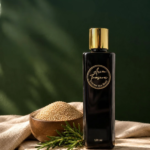
Hair Revival Oil is a botanical scalp-care product designed to reduce breakage and restore shine. It belongs in this comparison as a prepared hair-care option, not as a verified treatment for bald patches or progressive thinning.
Asian Treasures Hair Revival Oil is best for shoppers seeking botanical scalp care focused on breakage and shine. That is a narrower, more useful recommendation than calling it a universal hair-growth treatment.
Hair Revival Oil pros:
- Its stated purpose addresses breakage rather than relying only on a growth claim.
- It combines scalp care and shine within the product's intended use.
- It gives shoppers a prepared botanical option instead of a homemade mixture.
Hair Revival Oil cons:
- Its intended breakage-and-shine benefits do not establish new follicle growth.
- A botanical formula still requires an ingredient check and a tolerance check.
- It is not a substitute for assessing persistent shedding or scalp disease.
Best for: You want a botanical product with a defined scalp-care, breakage and shine purpose.
Before using Hair Revival Oil, follow its directions and check the complete formula against any known sensitivities. Do not assume that it contains rosemary, coconut, argan or jojoba merely because those ingredients appear elsewhere in this guide.
Verdict: Buy for its stated hair-care purpose, not an expectation of proven regrowth.
2. Coconut oil: best for breakage-focused conditioning
Coconut oil is an established hair-conditioning option. Published hair-fibre research supports its ability to penetrate the hair shaft and reduce protein loss; that evidence concerns the fibre, not the creation of new follicles.
This makes coconut oil the strongest overall pick here when your main concern is damage-related breakage. Protecting existing lengths is a different goal from treating hair loss, even when both affect how full or long your hair looks.
Coconut oil pros:
- Hair-shaft benefits have a stronger research basis than a generic growth promise.
- It supports a conditioning approach focused on retaining existing lengths.
- A single-ingredient product makes the ingredient list straightforward to inspect.
Coconut oil cons:
- It can leave hair feeling heavy or coated.
- Some hair routines require more washing to remove the residue.
- Hair-fibre protection does not establish treatment of pattern hair loss.
Best for: You notice fragile lengths or frequent breakage and want to prioritise conditioning.
Use coconut oil according to the product instructions and assess how your hair feels after washing. More oil is not automatically better: a routine that makes you scrub or tug harder defeats the purpose of gentle care.
Verdict: Buy for breakage-focused conditioning; skip it as a stand-alone hair-loss treatment.
3. Argan oil: best for conditioning lengths and ends
Argan oil is an emollient used in hair-care products. Its useful role in this comparison is conditioning the lengths and improving their appearance, not establishing a scalp-growth treatment.
Choose this route when your priority is how your existing hair feels and handles. Applying a conditioning oil to ends is a different intervention from trying to change activity at the follicle.
Argan oil pros:
- It provides an option for conditioning dry-looking lengths.
- You can target the ends without automatically oiling the scalp.
- It fits a routine built around shine and manageability.
Argan oil cons:
- Shine is not evidence of increased hair density.
- Finished products labelled with argan oil can contain other ingredients that affect tolerance.
- Excess application can leave an unwanted coated feel.
Best for: Your ends need conditioning, while your scalp does not need another product.
Check whether you are buying argan oil itself or a formulated serum containing it. Those are not identical products, and the full formula determines how you should use each one.
Verdict: Buy for length-and-end conditioning; skip claims that shine proves growth.
4. Jojoba oil: best for a simple emollient routine
Jojoba oil is technically a liquid wax. Cosmetic formulas use it as an emollient, which gives it a clear conditioning role without turning it into an established hair-loss treatment.
A simple jojoba product suits readers who want to evaluate a single ingredient before adding a more complex blend. Simplicity helps you understand what you applied; it does not guarantee that your skin will tolerate it.
Jojoba oil pros:
- It offers a single-ingredient route when the product contains only jojoba.
- It has an established cosmetic role as an emollient.
- You can keep its use targeted rather than coating every part of your hair.
Jojoba oil cons:
- Its cosmetic use does not demonstrate regrowth.
- Even a simple product can cause an unwanted skin reaction.
- Oil alone does not resolve an unexplained scalp condition.
Best for: You want a straightforward conditioning option and a routine with fewer ingredients.
Avoid adding several oils at once. If your scalp becomes uncomfortable after a mixture, identifying the responsible ingredient becomes harder.
Verdict: Buy for a simple conditioning routine; skip it as a remedy for unexplained thinning.
5. Diluted rosemary essential oil: best for rosemary-focused shoppers
Rosemary essential oil has been investigated for pattern hair loss, but the evidence remains limited. That does not establish every rosemary-labelled product, homemade mixture or application method as effective.
The distinction between an essential oil and a finished hair oil matters. Concentrated essential oil is not something to apply directly to your scalp; choose a properly formulated product and follow its directions.
Diluted rosemary essential oil pros:
- Rosemary has been studied in a hair-loss context, rather than only for shine.
- A finished formula avoids guessing a homemade dilution.
- It provides a specific ingredient to discuss with a dermatologist.
Diluted rosemary essential oil cons:
- Limited evidence does not justify a guaranteed regrowth claim.
- Essential oils can irritate skin or cause contact allergy.
- A rosemary ingredient does not establish that a finished product matches a studied formulation.
Best for: You are specifically interested in rosemary and understand the difference between preliminary evidence and established treatment.
Verdict: Hold until you have checked the formula, directions and suitability for your scalp.
Buying hair oil in Pakistan: what to check
If you are comparing the best hair oil in Pakistan, start with the complete ingredient list and the purpose of the product. A conditioning oil and a treatment for diagnosed hair loss are not interchangeable.
- Check the exact product: Asian Treasures lists its hair oil as Nuskha-e-Khaas: Maximum Potency Hair Growth Oil. Read the Nuskha-e-Khaas product details before deciding whether its botanical scalp-care approach fits your routine.
- Read the full label: Confirm ingredients, directions and warnings on the bottle rather than relying on a social-media claim or a single highlighted botanical.
- Check the seller's terms: Confirm delivery coverage for your address in Pakistan, total checkout cost and returns before ordering; this guide does not promise those terms.
- Evaluate the evidence: Ingredient research does not prove that a finished blend regrows hair. Customer testimonials are not a clinical comparison.
- Know when oil is not the answer: Sudden shedding, bald patches, scalp pain or ongoing inflammation need medical assessment, not a stronger oiling ritual.
Asian Treasures Hair Revival Oil belongs on the shortlist for shoppers in Pakistan seeking a botanical scalp-care routine, not a guaranteed hair-regrowth treatment. This is a seller-published guide, not an independent product test; the brand's inclusion reflects its stated hair-care purpose.
How we ranked these oils
The ranking uses the criteria above: problem fit, evidence fit, formula clarity, tolerance, routine fit and claim restraint. Coconut oil leads the breakage-focused recommendation because hair-shaft evidence directly supports that use.
The botanical product occupies a separate slot because its stated purpose is scalp care, reduced breakage and restored shine. Argan and jojoba occupy conditioning slots; rosemary receives a cautious recommendation because evidence about an ingredient cannot validate every formulation containing it.
This 2026 guide ranks suitability for a defined job, not results from a head-to-head product trial.
Choose your routine before choosing your oil
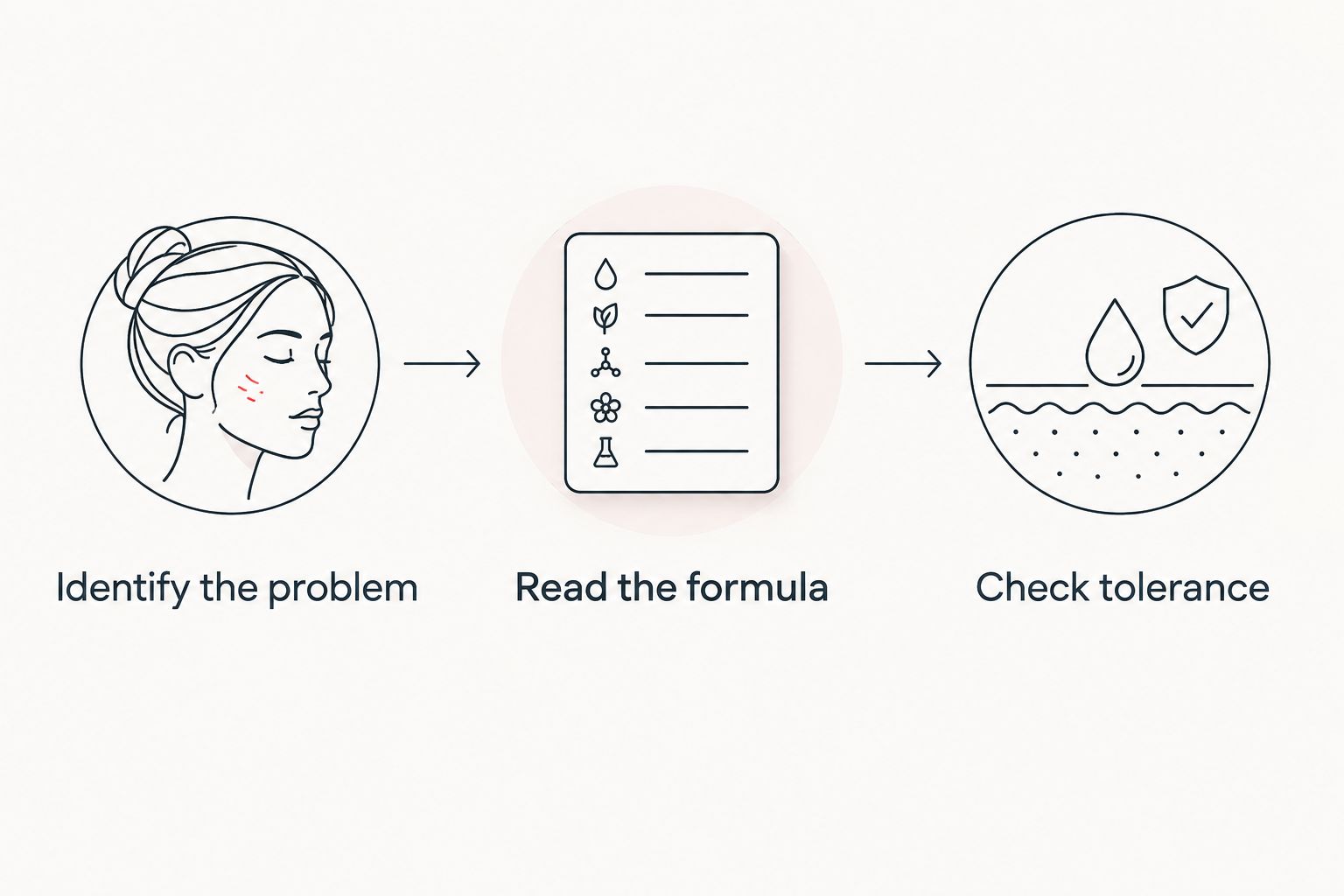
Use 3 checkpoints to make the decision practical:
- Identify the problem: Look for broken lengths versus shedding from the root. Appearance alone does not diagnose the cause.
- Read the formula: Check ingredients, application directions and warnings before putting a product on your scalp.
- Check tolerance: Follow the product's test instructions and stop if irritation develops.
Introduce 1 new product at a time. This is a practical way to keep track of comfort, residue and washing effort, not a promise about how quickly hair changes.
Keep the rest of your handling gentle. Avoid forceful rubbing, aggressive detangling and tight styles that pull on the hair. Seek a dermatologist's assessment for sudden shedding, patchy loss, scalp pain or persistent inflammation instead of extending an oil experiment.
Which hair oil should you choose?
Choose coconut oil as the default for breakage-focused conditioning. Choose argan oil when your main concern is dry-looking ends. Neither recommendation means those oils treat the underlying causes of hair loss.
For a prepared botanical option in 2026, Asian Treasures Hair Revival Oil fits a routine focused on scalp care, reduced breakage and restored shine. Keep that purpose explicit. If your real concern is progressive thinning, diagnosis is the next move—not a larger collection of oils.
Explore your botanical hair-care option
Review Hair Revival Oil for a routine focused on scalp care, breakage and shine.
FAQ
What’s the best hair growth oil in Pakistan in 2026?
There is no single best hair growth oil in Pakistan for every cause of thinning. Coconut oil is the strongest recommendation in this guide for breakage-focused conditioning, while unexplained hair loss needs assessment rather than an oil-only approach.
Is Hair Revival Oil for growth or for breakage?
Asian Treasures Hair Revival Oil is designed for botanical scalp care, reduced breakage and restored shine. That stated purpose does not establish it as a treatment for hair regrowth.
Is rosemary oil better than coconut oil?
Rosemary and coconut oil serve different purposes in this comparison. Coconut oil has research supporting hair-shaft protection, while rosemary has limited evidence in a hair-loss context and requires attention to formulation and skin tolerance.
Can I put rosemary essential oil directly on my scalp?
Do not apply concentrated rosemary essential oil directly to your scalp. Use a properly formulated product according to its directions, and stop if it causes irritation.
Should I put hair oil on my scalp or my ends?
Apply hair oil where the product instructions and your goal indicate. Length-and-end conditioning does not require scalp application, while a scalp-care product should be used according to its own directions.
Does less breakage mean an oil is growing new hair?
Less breakage does not prove that an oil is growing new hair. Retaining existing lengths can improve the appearance of fullness without changing follicle growth.
When should I stop using a hair oil?
Stop using a hair oil if it causes burning, redness, itching or another unwanted reaction. Seek medical advice for persistent symptoms, sudden shedding, patchy loss or scalp pain.
One last thing
A shinier strand is still the same strand. For your 2026 routine, judge a conditioning oil by comfort, handling and its stated purpose—not by treating an immediate glossy finish as proof of new growth.
Keep the ritual gentle and the claim precise: care for existing hair, and investigate unexplained loss separately.
Related guides
- Choosing an oil for dry hair
- Ayurvedic hair oils and hair-fall concerns
- Hair oils for hair-fall concerns in Pakistan
[…] Best hair growth oil: separate cosmetic care from growth claims […]
[…] Best hair growth oil […]