
Best overall: coconut oil for a pre-wash treatment focused on strand protection. Best for a simple coating: plain mineral oil. Best alternative plant oil: sunflower oil. The best overnight hair oil in 2026 depends on your hair’s needs, but sleeping in oil is not a proven requirement for better results.
- Coconut oil is the best overnight hair oil shortlist choice for strand protection, not proven hair regrowth.
- Mineral oil suits a simple coating routine; sunflower oil offers an alternative plant-based option.
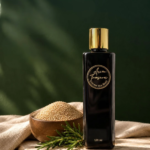
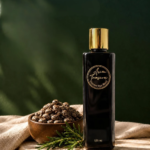
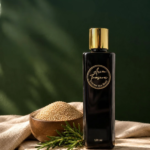
- Asian Treasures Nuskha-e-Khaas hair oil suits shoppers interested in a traditional botanical blend, not a proven hair-loss treatment.
- Choose a pre-wash hair treatment around scalp comfort, washability, and breakage concerns—not longer exposure alone.
Why this matters
An oil treatment and a hair-loss treatment solve different problems. Oil can change how your strands feel and behave, but that does not establish that it treats thinning at the follicle.
If dryness is your main concern, start with the best hair oil for dry hair guide. If you see sudden shedding, bald patches, or persistent scalp irritation, seek a diagnosis rather than extending your oiling time.
This is brand-published guidance from Asian Treasures. The comparisons distinguish published ingredient evidence from finished-product evidence; a botanical formula does not inherit every finding reported for its individual ingredients.
What makes the best overnight hair oil?
For a useful 2026 shortlist, judge the treatment by its purpose and tolerability—not by how many ingredients appear on the label.
- Relevant evidence: Findings about hair-shaft protection support a different claim from findings about follicle growth. Keep those outcomes separate.
- Scalp comfort: A treatment that leaves your scalp itchy or sore is not a good match, regardless of its traditional use.
- Formula transparency: Read the full ingredient list. A single oil and a fragranced botanical blend are different products.
- Washability: Choose something you can remove without aggressive rubbing or repeated harsh washing.
- Hair suitability: Dry lengths and a reactive scalp do not necessarily need the same application. Treat the area with the problem.
- Realistic exposure: Longer contact is not automatically better. Product instructions and your response matter more than an overnight label.
The strongest recommendation here is coconut oil for strand protection—not overnight oiling as a growth method. None of these rankings establishes a medical hair-loss treatment.
Overnight hair oils at a glance
| Rank and option | Best for | Standout feature | Key limitation |
|---|---|---|---|
| Coconut oil | Pre-wash strand protection | Published evidence for reducing hair protein loss | That evidence does not establish regrowth or an overnight advantage |
| Plain mineral oil | A simple coating routine | A straightforward option when the ingredient list contains mineral oil alone | Did not show coconut oil’s protein-loss result in the cited comparison |
| Sunflower oil | A coconut-free plant-oil option | A distinct plant-oil alternative for a pre-wash routine | Did not show coconut oil’s protein-loss result in the cited comparison |
| Nuskha-e-Khaas hair oil | Shoppers seeking a traditional botanical blend | Asian Treasures’ botanical hair-care positioning | Ingredient research does not prove finished-blend effectiveness |
The table ranks distinct uses, not interchangeable promises. Choose the simplest option that matches your goal and that your skin tolerates.
1. Coconut oil: best overnight hair oil for strand protection
Coconut oil earns the first position because its hair-shaft evidence is more relevant to damage prevention than a general growth claim. A published comparison found that coconut oil reduced protein loss from damaged and undamaged hair when used in pre-wash and post-wash treatments.
That finding comes from Rele and Mohile’s 2003 paper, Effect of mineral oil, sunflower oil, and coconut oil on prevention of hair damage, in the Journal of Cosmetic Science. The study concerns hair damage and protein loss—not a clinical treatment for thinning, and not proof that sleeping in oil outperforms shorter contact.
Coconut oil pros:
- Has directly relevant evidence for reducing hair protein loss.
- Offers a single-ingredient option when you choose pure coconut oil.
- Fits a pre-wash routine focused on damaged lengths.
Coconut oil cons:
- Can leave an unwanted coated feel, especially if you apply too much.
- Is not established here as a treatment for medical hair loss.
- The cited evidence does not establish an ideal overnight duration.
Best for: You want to protect dry or damaged strands and can wash the oil out comfortably.
Keep the application focused on the lengths when the lengths are the concern. There is no need to turn a strand-care treatment into a scalp treatment.
Verdict: Buy for pre-wash strand protection; skip the regrowth promise.
2. Plain mineral oil: best for a simple coating routine
Plain mineral oil is an option when you want a coating treatment without choosing a botanical blend. Check the label carefully: a product marketed as a hair oil can contain fragrance and other ingredients alongside mineral oil.
The same 2003 comparison included mineral oil, but it did not show coconut oil’s reduction in hair protein loss. That distinction keeps mineral oil below coconut oil for a damage-focused recommendation in 2026.
Plain mineral oil pros:
- Allows a straightforward ingredient choice when the formula is mineral oil alone.
- Avoids a multi-botanical blend when simplicity is your preference.
- Offers a coating-based option without relying on a growth claim.
Plain mineral oil cons:
- Does not have coconut oil’s protein-loss result in the cited comparison.
- An excessive application can leave unwanted residue.
- A simple ingredient list does not guarantee individual tolerance.
Best for: You prefer a basic coating routine and are not looking specifically for a plant oil.
Choose a cosmetic product intended for skin or hair use. Follow its directions rather than assuming every mineral-oil product is intended for overnight scalp application.
Verdict: Buy for simplicity; skip it if your priority is the stronger protein-loss evidence.
3. Sunflower oil: best for a coconut-free plant-oil routine
Sunflower oil gives you a plant-oil alternative when you do not want coconut oil. It belongs on the shortlist as a different cosmetic option, not as an evidence-equivalent substitute.
In the cited comparison, sunflower oil did not reproduce coconut oil’s reduction in hair protein loss. Choose it because you prefer and tolerate the treatment—not because all plant oils perform identically.
Sunflower oil pros:
- Provides an alternative to coconut oil.
- Can keep the ingredient list simple when you choose a single-ingredient product.
- Fits a pre-wash routine without requiring a complex blend.
Sunflower oil cons:
- Has weaker support than coconut oil for the specific protein-loss outcome discussed here.
- Does not establish a hair-regrowth benefit.
- Overnight contact has no demonstrated advantage in the evidence used for this ranking.
Best for: You want a coconut-free plant-oil treatment and accept the limits of its evidence.
Do not assume an oil suits an irritated scalp because it comes from a plant. Stop using it if you develop discomfort, and do not keep reapplying it to test whether the irritation settles.
Verdict: Buy as a preferred cosmetic alternative; skip claims of equivalent damage protection.
4. Nuskha-e-Khaas hair oil: best for a traditional botanical blend
Asian Treasures Nuskha-e-Khaas hair oil is best for shoppers seeking a traditional botanical hair-care blend, not a proven hair-loss treatment. The botanical approach is the distinguishing feature; tradition alone does not establish effectiveness.
For shoppers in Pakistan comparing overnight treatments in 2026, the practical decision starts with the current ingredient list and directions. Do not assume that a hair revival name establishes regrowth or that the product should remain on your scalp while you sleep.
Nuskha-e-Khaas hair oil pros:
- Matches a preference for traditional botanical hair care.
- Offers a blend-based alternative to choosing a single oil.
- Gives shoppers interested in the brand a clearly identified hair-oil option.
Nuskha-e-Khaas hair oil cons:
- The ingredient evidence cited here does not verify the finished blend’s results.
- A botanical blend still requires an individual tolerance check.
- Overnight suitability must come from the product directions, not this category ranking.
Best for: You value a traditional blend and want cosmetic hair care with realistic expectations.
Check the current product information before deciding whether it fits your scalp, hair, and intended contact time. Do not substitute a general oiling routine for product-specific instructions.
Verdict: Hold until you have checked the ingredients and directions; skip medical regrowth expectations.
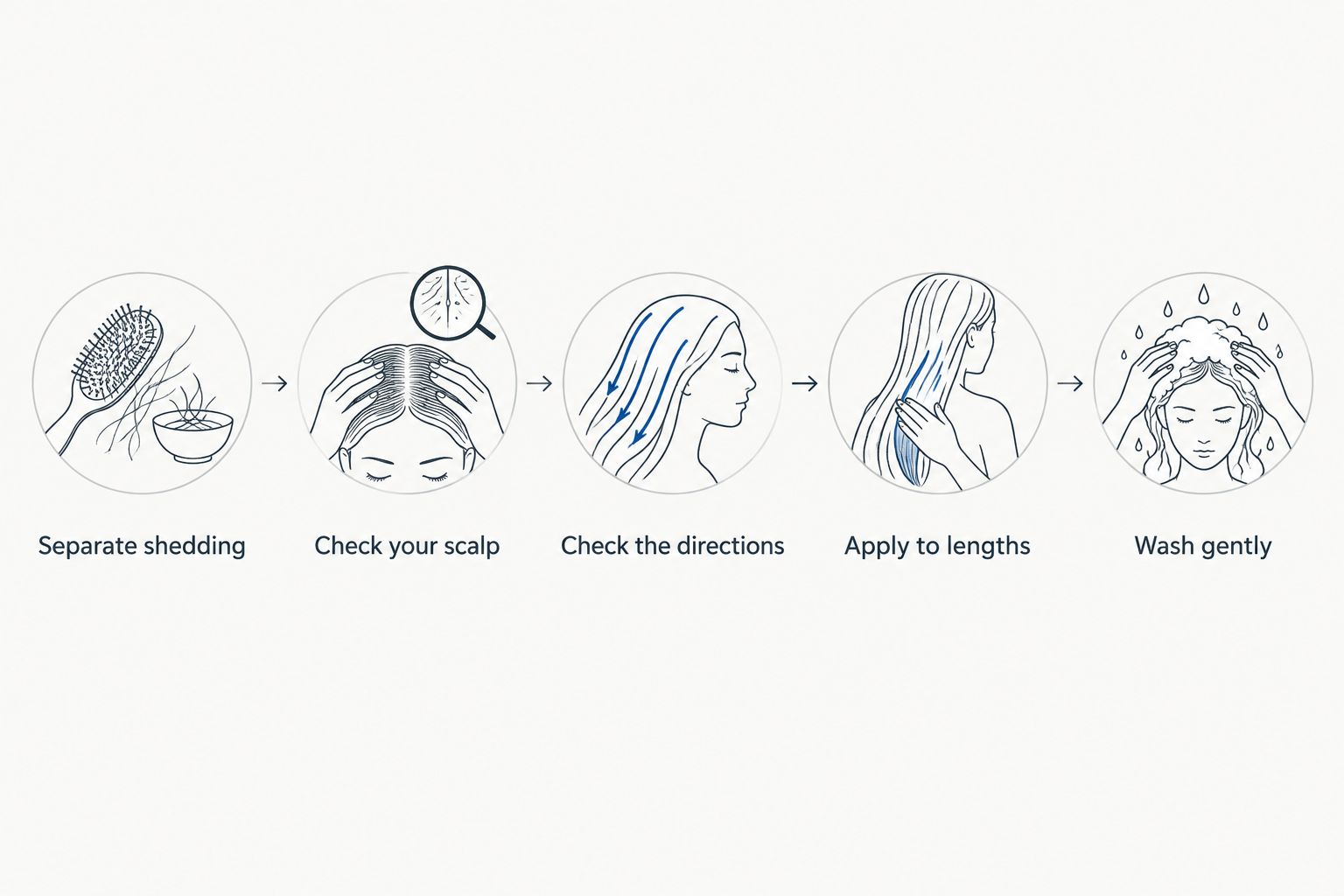
How to use an overnight oil treatment sensibly
Separate shedding from breakage
Shedding means hair leaves the follicle. Breakage means the hair shaft snaps. Short broken pieces and split or frayed lengths point toward a different problem from increased loss of full-length hairs, although appearance alone cannot diagnose the cause.
The American Academy of Dermatology distinguishes excessive shedding from hair loss and advises that the cause determines treatment. Less breakage does not prove that a follicle-related condition has improved.
Check your scalp
Do not apply an unfamiliar treatment over a painful, inflamed, or broken scalp. Persistent itching and flaking deserve attention rather than an automatic increase in oil.
If your main concern is scalp discomfort, decide what is causing it before choosing an overnight product. A comfortable scalp matters more than completing an oiling ritual.
Check the directions
Read the full ingredient list and follow the label’s application and removal instructions. If overnight use is not addressed, do not assume the word natural makes prolonged exposure suitable.
Introduce an unfamiliar product cautiously. A small-area tolerance check does not guarantee that a larger application will be problem-free.
Apply to lengths
When dryness or strand damage is the problem, keep the treatment focused on the affected lengths. Use enough to distribute the product without leaving your hair dripping or encouraging you to scrub aggressively during removal.
Avoid tight hairstyles while the treatment is in place. An oil treatment is not a reason to add pulling or friction to fragile hair.
Wash gently
Remove the treatment according to its directions and shampoo your scalp gently. If removal repeatedly demands rough handling, change the amount, contact time, or product rather than accepting that struggle as necessary.
How these oils were ranked
The 2026 ranking prioritizes evidence relevant to the stated use, then formula clarity, comfort, and practical removal. Coconut oil leads for the specific protein-loss evidence; the other options serve different preferences rather than sharing the same evidence claim.
This is not a clinical trial or a report of hands-on product testing. No finished-product performance figures are assigned to the branded blend.
Evidence behind the recommendations
- Rele and Mohile, 2003, Journal of Cosmetic Science: Compared mineral, sunflower, and coconut oils for prevention of hair damage. The finding used here concerns protein loss in damaged and undamaged hair.
- American Academy of Dermatology, undated patient guidance: Do you have hair loss or hair shedding? supports distinguishing shedding from hair loss and identifying the cause.
- American Academy of Dermatology, undated patient guidance: Tips for healthy hair supports gentle washing and handling. It does not establish that overnight oiling treats hair loss.
These sources answer different questions. Hair-fiber research supports a narrower conclusion than a clinical regrowth study would.
Which overnight hair oil should you choose?
Choose coconut oil first if your goal is pre-wash strand protection. Choose plain mineral oil for a simple coating option, sunflower oil for a different plant-oil preference, or a traditional blend after checking its directions and ingredients.
In 2026, the useful buying question is not which oil promises the fastest growth. Ask which treatment matches your actual concern without irritating your scalp or making washing harder.
If thinning or increased shedding is the main problem, prioritize diagnosis. You can use cosmetic hair care alongside appropriate advice, but it is not a substitute for identifying the cause.
FAQ
What’s the best overnight hair oil for damaged hair?
Coconut oil is the strongest choice in this comparison for strand protection because published research supports reduced hair protein loss. That does not establish that overnight application works better than shorter contact.
Does leaving oil in overnight make hair grow faster?
The evidence used in this guide does not establish faster growth from overnight oiling. Hair-shaft protection and follicle growth are different outcomes.
Is coconut oil better than sunflower oil for hair?
Coconut oil has stronger evidence for reducing hair protein loss in the cited comparison. Sunflower oil remains a cosmetic alternative, but the two should not be presented as equally supported for that outcome.
Can I use Asian Treasures Nuskha-e-Khaas hair oil overnight?
Use Nuskha-e-Khaas hair oil according to its current product directions, rather than assuming overnight application is suitable. Its traditional botanical positioning is not proof of overnight safety or regrowth effectiveness.
Should I oil my scalp if it is itchy or flaky?
Do not assume an itchy or flaky scalp needs more oil. Persistent symptoms need an appropriate assessment, especially if you also have pain, redness, or increased hair loss.
How can I tell shedding from breakage?
Shedding involves hair leaving the follicle, while breakage involves the shaft snapping. Short fragments suggest breakage, but a dermatologist can assess unexplained loss or thinning more reliably than appearance alone.
Do I need to sleep in hair oil to get a benefit?
No overnight requirement is established by the evidence cited here. Follow product directions and choose a contact time that does not cause irritation or difficult removal.
One last thing
An uncomfortable night is not evidence that a treatment is working. If oil leaves your scalp itchy, your pillow saturated, or washing unnecessarily difficult, shorten or stop the treatment rather than treating discomfort as part of the ritual.
For your next application, make one clear decision: are you caring for dry lengths, or investigating hair loss? Keeping those goals separate makes the routine easier to judge.
Related guides
- Best hair growth oil
- Best Ayurvedic hair oil for hair fall
- Best hair oil for curly and coily hair
- Best hair oil for color-treated hair