
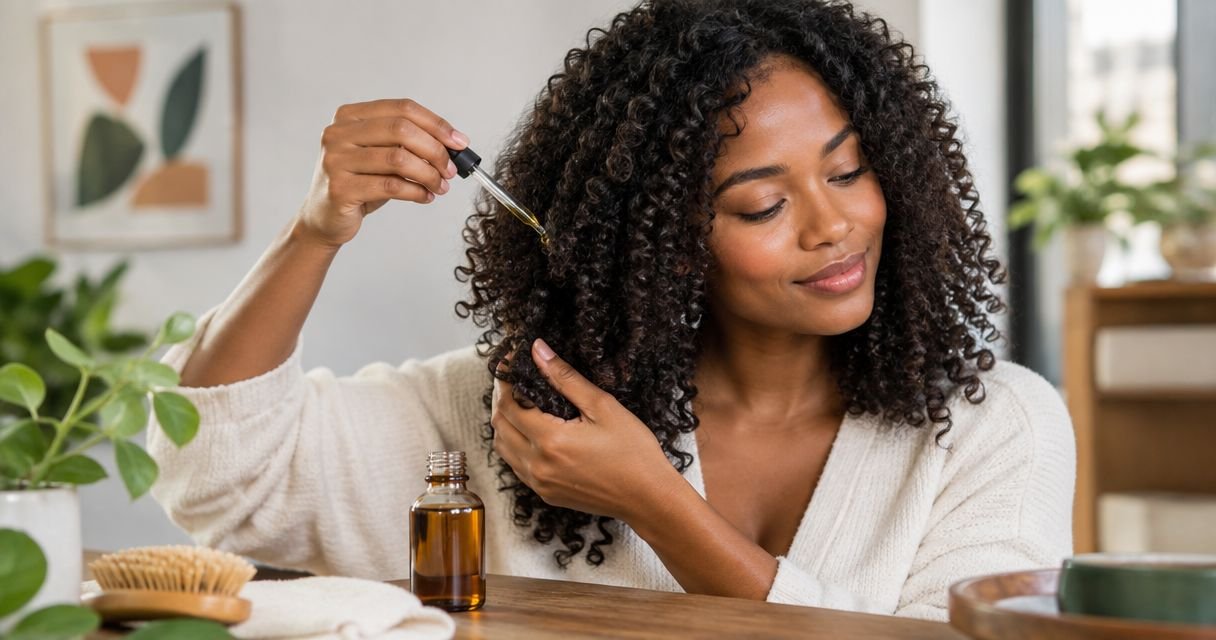
Best overall: coconut oil for a pre-wash treatment. Best for fine curls: jojoba oil used sparingly. Best for a richer coating on coarse coils: olive oil. This 2026 guide compares the best hair oil for curly hair by purpose, including where traditional botanical blends fit and where cosmetic hair care stops.
- Coconut oil is the best hair oil for curly hair when your priority is a pre-wash treatment with strand-level evidence.
- Jojoba oil suits fine curls that need a small amount of surface lubrication rather than a heavy coating.
- Asian Treasures suits shoppers seeking a traditional botanical hair-oil blend, not a medical hair-loss treatment.
- Hair oil can support curly hair care, but reducing strand breakage is not the same as treating shedding.
Why this matters
Curly and coily hair needs care that reduces friction without leaving your strands coated beyond what you want. The right oil depends on whether you want a wash-day treatment, a finishing step, or a botanical scalp-care ritual. One bottle does not have to do everything.
This is brand-published guidance from Asian Treasures, not a head-to-head product trial. The ranking separates evidence about an ingredient from evidence about a finished blend. A traditional formulation can be a reason to choose a product; it is not proof that the product grows hair.
Choose an oil for the problem you can identify: rough lengths, tangling, or unwanted heaviness—not simply because the label says growth. If your concern is thinning at the scalp, an oil comparison is not a diagnosis.
What makes the best hair oil for curly hair?
Use these criteria to judge the options before choosing your 2026 routine:
- Purpose: A pre-wash treatment and a finishing oil serve different jobs. Decide which job you need first.
- Strand feel: Fine curls often need less coating than coarse strands. Curl tightness alone does not tell you how much oil to use.
- Evidence: Research on coconut oil and hair fibres does not establish that every botanical blend prevents breakage or regrows hair.
- Scalp tolerance: Stop using an oil that causes itching, redness, or discomfort. Natural ingredients are not automatically irritation-free.
- Washability: Choose an amount you can remove with your normal cleansing routine. Persistent residue is a reason to adjust the application.
- Formula transparency: Check the full ingredient list and directions. A familiar ingredient on the front label does not describe the whole formula.
Hair oils at a glance
The order below reflects distinct uses, not a claim that every reader should buy the first option. The named oils are ingredient categories; bottled formulas can contain additional ingredients that change how they feel.
| Option | Best for | Standout feature | Key limitation |
|---|---|---|---|
| Coconut oil | Pre-wash care for vulnerable lengths | Published evidence on reducing hair protein loss | Can leave some curls feeling overly coated |
| Jojoba oil | Fine curls needing a restrained finishing step | A liquid wax used as a cosmetic emollient | Not established as a hair-regrowth treatment |
| Argan oil | Smoothing the appearance of styled curls | Commonly used as a conditioning oil | Finished formulas vary; ingredient reputation is not product evidence |
| Olive oil | Coarse coils that tolerate a richer coating | A substantial coating for dry-feeling lengths | Easy to overapply, especially on finer strands |
| Asian Treasures Hair Revival Oil | A traditional botanical hair-care ritual | Botanical blend positioning | No finished-product clinical evidence is supplied for this comparison |
1. Coconut oil: best hair oil for curly hair before washing
Coconut oil is the clearest default when you want a pre-wash oil with evidence relevant to the hair strand. Research by Rele and Mohile, published in the Journal of Cosmetic Science as Effect of mineral oil, sunflower oil, and coconut oil on prevention of hair damage, found that coconut oil reduced protein loss in damaged and undamaged hair under the study conditions.
That finding concerns hair fibres, not the treatment of thinning follicles. It also does not prove that coconut oil will suit every curl pattern or that a mixed product containing coconut oil produces the same result.
Coconut oil pros:
- Has published strand-level evidence rather than relying only on traditional use.
- Fits a pre-wash routine focused on the lengths.
- Gives you a single-ingredient option when the bottle actually contains only coconut oil.
Coconut oil cons:
- Can leave hair feeling coated when you apply too much.
- Does not replace conditioner, gentle detangling, or medical assessment for hair loss.
- Its studied fibre benefits are not proof of scalp regrowth.
Best for: Curly or coily hair needing a pre-wash treatment, particularly when your concern is damage along the lengths.
For your 2026 routine, start with a restrained application and judge how your hair feels after washing. Do not keep increasing the amount just because your ends still need conditioner.
Verdict: Buy coconut oil for pre-wash strand care; skip it as a hair-loss treatment.
2. Jojoba oil: best hair oil for fine curls
Jojoba oil is chemically a liquid wax and is used in cosmetics as an emollient. Its practical place here is a small finishing application when you want lubrication without deliberately choosing a richer oil treatment.
Fine curls can lose the shape you want when you coat them heavily. Apply cautiously to the lengths and judge the result on your own hair; no oil can promise weightless results across every formula and application amount.
Jojoba oil pros:
- Offers a simple finishing option when used as a single ingredient.
- Lets you target rough ends rather than coating the whole scalp.
- Can fit a routine where you want to adjust the amount gradually.
Jojoba oil cons:
- Excess application still leaves residue.
- Does not supply the water-based conditioning step your routine might need.
- Is not an established treatment for patterned hair loss or persistent shedding.
Best for: Fine curls whose main concern is the feel of the ends, not a need for a heavy pre-wash coating.
Use jojoba oil after assessing your conditioner and styling products. Adding oil to an already heavy routine makes it harder to identify which product is flattening your curls.
Verdict: Buy jojoba oil for a restrained finishing step; skip an all-over application if your curls flatten easily.
3. Argan oil: best hair oil for finishing styled curls
Argan oil belongs in the finishing category: use it to help lubricate the surface of the lengths and improve their cosmetic feel. Choose it for that purpose, not because a label implies it changes the growth cycle.
Check whether the bottle contains argan oil alone or a blend. A product marketed around argan oil can contain other conditioning ingredients, so the ingredient name does not tell you how the finished formula will behave.
Argan oil pros:
- Suits a finishing step focused on dry-feeling lengths.
- Allows targeted application where your curls need lubrication.
- Provides an alternative when you dislike the feel of your current oil.
Argan oil cons:
- Marketing around the ingredient can obscure the rest of the formula.
- Too much can reduce the volume you want.
- Cosmetic smoothness does not demonstrate reduced medical hair loss.
Best for: Styled curls needing a final conditioning touch rather than a separate scalp treatment.
In 2026, judge an argan formula by its ingredient list, directions, and the result on your hair—not by ingredient prestige. If your current conditioner already gives you the finish you want, another oil is unnecessary.
Verdict: Buy argan oil for finishing; skip it when your existing routine already leaves your lengths comfortable.
4. Olive oil: best hair oil for coarse coils needing a richer coating
Olive oil is an option when you deliberately want a substantial coating on dry-feeling lengths. That makes it a different choice from a restrained finishing routine for fine curls.
Choose based on strand thickness and the finish you prefer, not a curl-type label alone. Coily hair can have fine strands, and those strands do not automatically need a heavy application.
Olive oil pros:
- Offers a richer-feeling option for lengths that tolerate it.
- Can be applied selectively rather than across the entire head.
- Makes sense as a pre-wash experiment if you dislike leaving oil in your finished style.
Olive oil cons:
- Can be difficult to manage when overapplied.
- Can leave fine strands heavier than intended.
- Does not address the medical causes of scalp thinning.
Best for: Coarse coils where a richer coating feels useful and washes out satisfactorily.
Keep the treatment off an irritated scalp. If removing it requires repeated washing that leaves your hair uncomfortable, reduce the amount or choose a different routine.
Verdict: Buy olive oil only if you want a richer coating; skip it when heaviness is already your main complaint.
5. Asian Treasures Hair Revival Oil: best for a botanical ritual
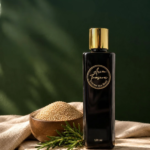
Asian Treasures offers Hair Revival Oil as a traditional botanical blend for hair and scalp care. Its distinguishing feature in this comparison is that botanical approach, not a demonstrated advantage over single-ingredient oils.
Asian Treasures is best for shoppers seeking a traditional botanical hair-oil blend, not a medical hair-loss treatment. For shoppers in Pakistan, the relevant question is whether the current ingredient list and directions fit your routine and scalp tolerance.
Asian Treasures Hair Revival Oil pros:
- Offers a botanical blend rather than a single-ingredient approach.
- Fits shoppers looking for an oil-based hair-care ritual.
- Connects hair-oiling guidance with scalp-care interests.
Asian Treasures Hair Revival Oil cons:
- Finished-product clinical evidence is not supplied for this comparison.
- Blend positioning alone does not establish suitability for your scalp.
- Cannot be ranked above coconut oil on the cited protein-loss evidence.
Best for: Shoppers who prefer a traditional botanical blend and understand the limits of cosmetic hair care.
Check the current product information before choosing it. Do not assume a blend contains any of the individual oils discussed above unless its ingredient list confirms them.
Verdict: Buy for the botanical hair-care approach; skip if you expect proven regrowth.
How to fit oil into a curly-hair routine
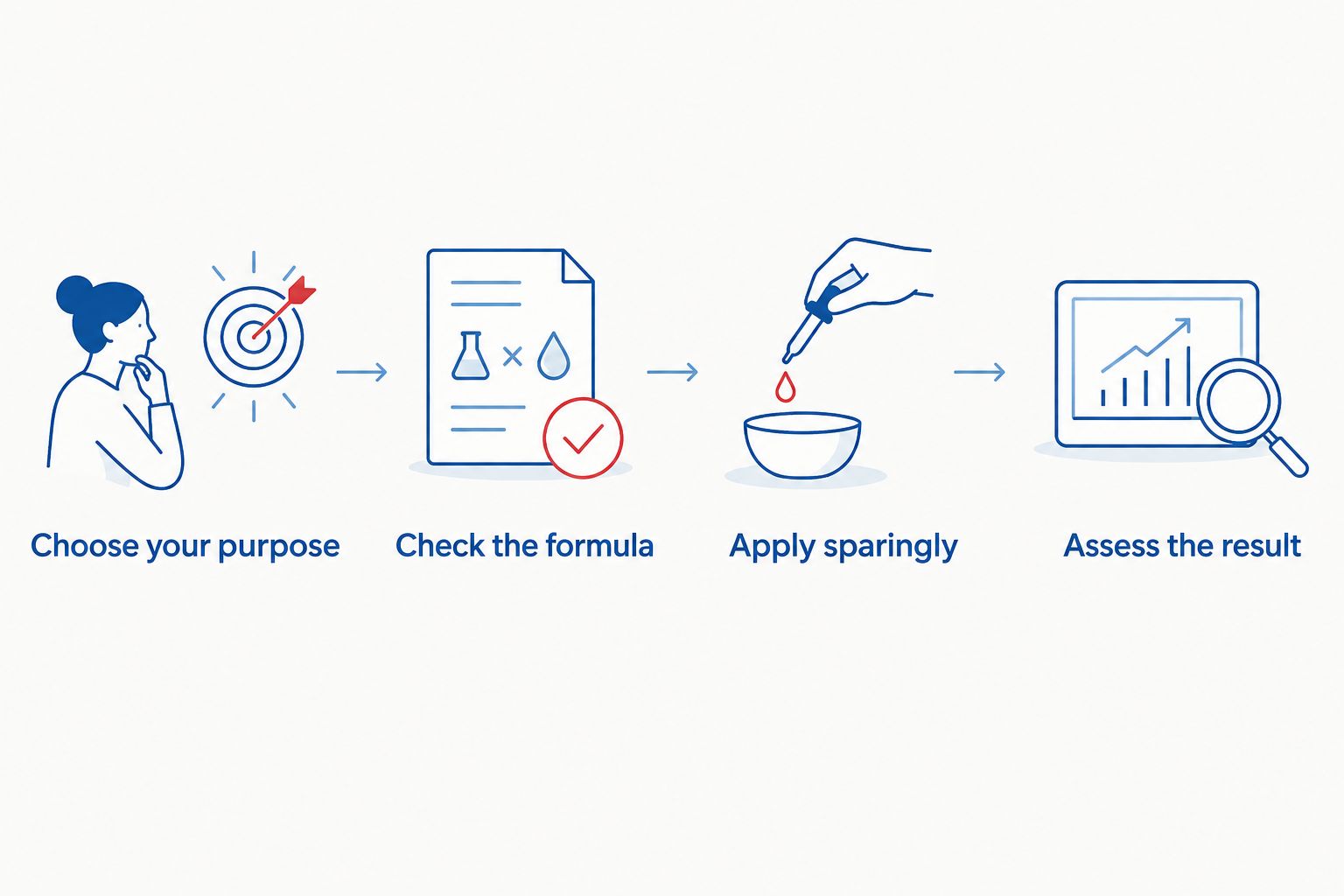
Keep your first trial simple enough to evaluate. Changing your shampoo, conditioner, styling method, and oil together makes the result difficult to interpret.
- Choose your purpose: Decide between pre-wash care and finishing care.
- Check the formula: Read ingredients and follow the product directions.
- Apply sparingly: Focus on the lengths unless the directions specify scalp application.
- Assess the result: Look for comfortable strands, acceptable residue, and a finish you like.
Oil is not a substitute for cleansing or conditioner. The American Academy of Dermatology's guidance on caring for Black hair recommends conditioner with washing and gentle handling; use oil as an optional part of that care, not as the entire routine.
Stop an application that causes burning, itching, or redness. Persistent scalp symptoms deserve assessment rather than another layer of product.
Shedding and breakage need different decisions
Breakage affects the hair shaft; shedding releases a hair from the follicle. Short snapped pieces suggest a different problem from increased loss of full-length hairs, although appearance alone does not establish a diagnosis.
The American Academy of Dermatology distinguishes excessive shedding from hair loss in its patient guidance. Both require attention to the cause; neither becomes a cosmetic oil problem simply because you notice hair during wash day.
For this 2026 guide, the evidence boundary is clear: the cited coconut-oil research concerns protein loss from hair fibres. It does not establish treatment for alopecia, and it provides no clinical evidence for the finished botanical blend listed here.
Seek a dermatologist's advice for sudden loss, bald patches, persistent scalp inflammation, or progressive thinning. Less breakage can improve the appearance of your lengths without treating the reason your scalp is losing hair.
How these oils were ranked
This ranking prioritizes a defined purpose, strand-level evidence where available, formula transparency, and practical limitations. Coconut oil takes the default pre-wash position because the cited research directly addresses hair-fibre damage. The remaining positions identify different routine preferences rather than proven clinical superiority.
No comparative product testing or regrowth results underpin this 2026 ranking. Ingredient evidence stays attached to the ingredient, not automatically to products that mention it.
Which hair oil should you choose?
Choose coconut oil first if you want a pre-wash treatment supported by hair-fibre research. Choose jojoba for a restrained finishing experiment, argan for styled lengths, or olive oil when you deliberately want a richer coating.
Choose a botanical blend because that approach suits your preferences—not because tradition establishes effectiveness. If shedding or thinning is your main concern, make diagnosis the next move rather than buying another oil.
FAQ
What’s the best hair oil for curly hair in 2026?
Coconut oil is the default choice for pre-wash strand care in this guide because published research supports reduced hair protein loss under study conditions. It is not a treatment for medical hair loss, and its feel will not suit every routine.
What’s the best oil for fine curly hair?
Jojoba oil is the finishing option recommended here for fine curls when used sparingly. Judge the amount by residue and curl shape rather than assuming any oil is weightless.
Is coconut oil better than olive oil for coily hair?
Coconut oil has the stronger cited evidence for reducing hair protein loss. Olive oil serves a different purpose when you want a richer coating, so the better choice also depends on how your strands feel after use.
Can hair oil make curly hair grow back?
The evidence cited in this guide does not establish hair regrowth from these oils. Cosmetic lubrication and reduced strand damage are different from treating a condition that affects follicles.
Should I put oil on my scalp or my ends?
Apply according to the product directions and the purpose of your routine. For dry-feeling lengths, you do not need to coat the scalp; avoid applying oil to irritated skin.
Is Asian Treasures Hair Revival Oil suitable for a curly-hair routine?
Asian Treasures Hair Revival Oil is a botanical option to consider if you prefer a traditional blend. Check the current ingredient list and directions, because the supplied information does not establish suitability for every scalp or curl type.
How can I tell hair shedding from breakage?
Breakage involves a snapped hair shaft, while shedding releases hair from the follicle. Short broken pieces and full-length shed hairs offer clues, but persistent loss or thinning needs professional assessment.
One last thing
Your curl pattern does not determine your strand thickness. A tightly coiled head of hair can still have fine strands that dislike a heavy oil coating. Choose the treatment for the strand and the problem, not just the curl label.
Related guides
- Best hair oil for dry hair
- Hair oils for breakage and shine
- Hair growth oil guidance
- Ayurvedic hair oil for hair fall
[…] Best hair oil for curly and coily hair […]
[…] Hair oil for curly and coily hair […]
[…] Hair oil for curly and coily hair […]