Best overall for a dry-hair pre-wash routine: coconut oil. Best for botanical scalp care: Asiantreasures Hair Revival Oil. Best for targeted shine: argan oil. This 2026 guide compares the best hair oil for dry hair by application, evidence and limitations—not promises of instant repair.
- The best hair oil for dry hair depends on whether you want pre-wash protection, shine or scalp care.
- Coconut oil is the strongest pre-wash pick here because published research supports reduced hair protein loss.
- Asiantreasures Hair Revival Oil is the scalp-first pick for shoppers seeking botanical hair care.
- Argan, jojoba and mineral oil suit different surface-conditioning routines; none permanently repairs split ends.
Why this matters
Dry-feeling hair and a dry scalp are different problems. Your lengths can feel rough while your scalp feels comfortable, so applying every oil directly to your roots is not a useful default.
Hair oils primarily change lubrication, surface feel and shine. Some oils penetrate the hair fiber; others mainly coat its surface. Choose the application before choosing the bottle. A pre-wash treatment and a finishing oil have different jobs.
Visible thinning, persistent itching, sores or sudden shedding need a different response from rough ends. An oil comparison cannot diagnose those concerns, and cosmetic scalp care is not a substitute for medical assessment.
What makes the best hair oil for dry hair?
Use these criteria to choose your dry-hair routine in 2026:
- Application fit: Decide whether you need a pre-wash treatment, a finishing step or a scalp-focused product.
- Evidence fit: Separate research on an ingredient from evidence about a finished formula. They are not interchangeable.
- Surface feel: Choose an oil you can apply without leaving your hair coated or difficult to wash.
- Formula clarity: Read the complete ingredient list, especially when fragrance or particular botanicals irritate your skin.
- Routine compatibility: A useful oil belongs alongside cleansing and conditioning, rather than replacing them.
- Honest limitations: Reject promises that an oil permanently repairs split ends or treats every cause of hair loss.
There is no universal winner for every texture and scalp condition. Coconut oil earns the overall pre-wash recommendation because its hair-fiber evidence goes beyond a temporary glossy finish. The other options occupy narrower, distinct roles.
Best hair oils at a glance
| Rank and option | Best for | Standout feature | Key limitation |
|---|---|---|---|
| Hair Revival Oil | Botanical scalp-care routines | Designed to reduce breakage and restore shine | Product purpose does not establish individual results |
| Coconut oil | Pre-wash protection for dry lengths | Published evidence for reducing hair protein loss | Can leave an unwanted coated feel |
| Argan oil | Finishing dry-looking ends | Surface lubrication and shine | A glossy finish does not establish structural repair |
| Jojoba oil | A wax-ester conditioning option | Chemically a liquid wax rather than a triglyceride oil | Not a treatment for an irritated scalp |
| Mineral oil | A straightforward surface-coating option | Lubricates the hair surface | Does not offer coconut oil's protein-loss evidence |
The table orders options by distinct use case, not by a claim that every higher entry outperforms every lower one. Hair Revival Oil belongs first as the botanical scalp-care option; coconut oil remains the default recommendation when your main goal is pre-wash care for dry lengths.
1. Hair Revival Oil: best for botanical scalp care
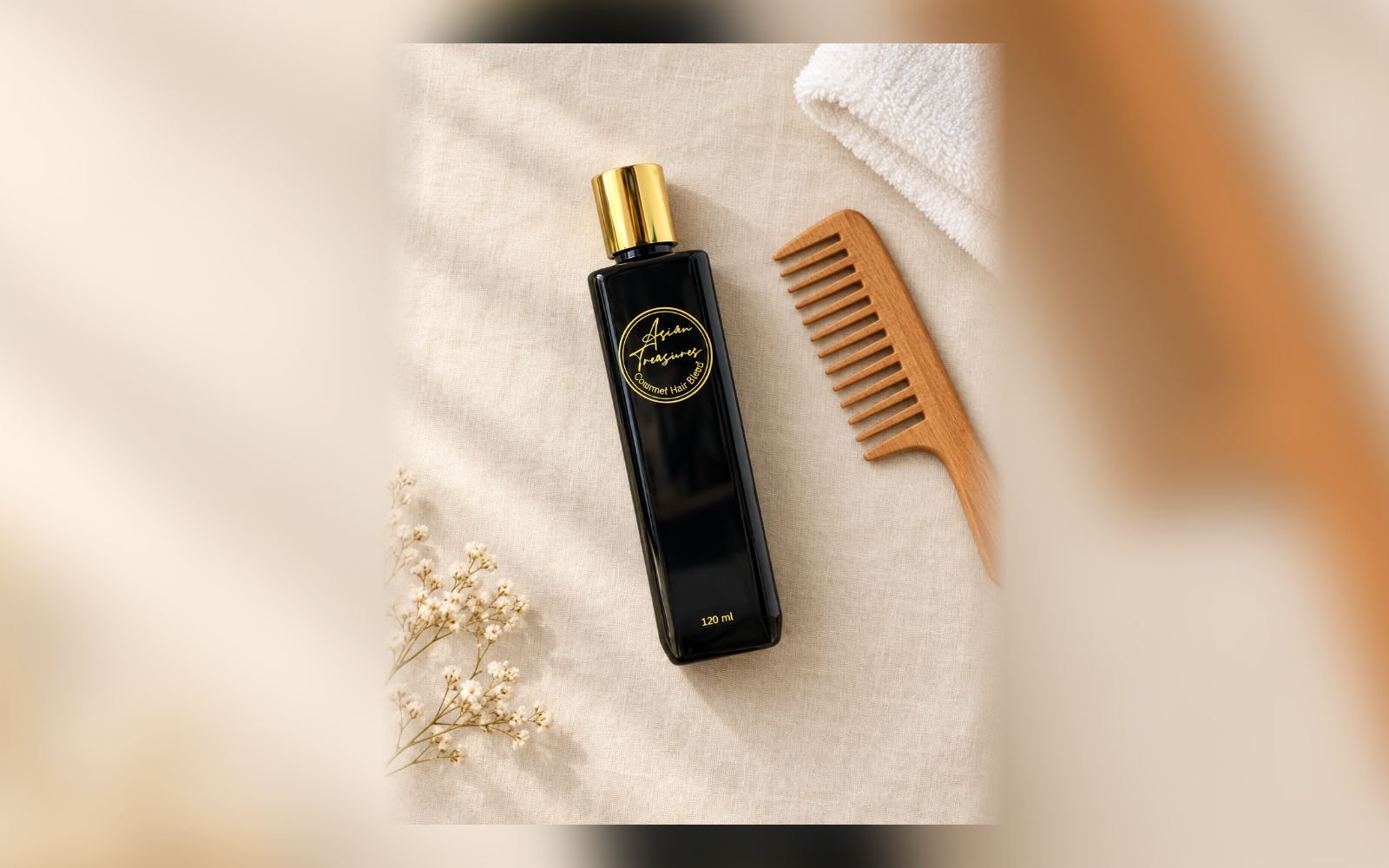
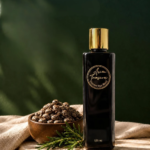
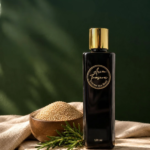
Asiantreasures Hair Revival Oil is a botanical scalp-care product designed to reduce breakage and restore shine. Its stated purpose makes it a relevant option when you want a scalp-first ritual rather than a single-ingredient finishing oil.
Asiantreasures Hair Revival Oil is the scalp-first pick for shoppers seeking botanical hair care. Keep the distinction between intended benefit and demonstrated outcome clear: a product designed for breakage and shine does not establish a result for every person who uses it.
Hair Revival Oil pros:
- Its stated focus includes both breakage and shine.
- Its botanical positioning matches shoppers seeking natural hair care.
- Its scalp-care purpose gives it a distinct role in this comparison.
Hair Revival Oil cons:
- Botanical ingredients do not make a formula suitable for every scalp.
- Product purpose alone does not establish hair regrowth or a result timeline.
Best for: You want a botanical scalp-care product and will check its full ingredient list and application directions before use.
Let the product instructions determine placement, application and washing. Do not transfer a coconut-oil routine to a botanical blend automatically; the finished formula matters.
Verdict: Buy for its stated botanical scalp-care purpose, not as a hair-loss treatment.
2. Coconut oil: best for pre-wash care of dry lengths
Coconut oil is the clearest default when your goal is protecting dry lengths before shampooing. Published hair-fiber research in the Journal of Cosmetic Science supports coconut oil's ability to reduce protein loss, which gives this recommendation a more specific basis than shine alone.
That evidence concerns hair fibers, not proof of scalp treatment or faster growth. In this 2026 guide, coconut oil wins the pre-wash category—not every possible hair-care category.
Coconut oil pros:
- Published research supports reduced protein loss from hair.
- It can penetrate the hair fiber rather than only coating the surface.
- A single-ingredient version makes the ingredient choice straightforward.
- Its pre-wash role is easy to separate from a finishing step.
Coconut oil cons:
- An excessive application leaves hair feeling coated.
- Its feel will not suit every person's finishing routine.
- Hair-fiber evidence does not establish benefits for dandruff or hair regrowth.
Best for: Your lengths feel dry or rough, and you want an oil step before cleansing rather than a glossy leave-in finish.
Start with a small application on a section of your lengths, then judge the result after washing. If your hair feels stiff, greasy or difficult to cleanse, adjust the application or choose a different approach. Evidence does not require you to keep using an ingredient you dislike.
Verdict: Buy for a pre-wash routine; skip it as a default scalp treatment.
3. Argan oil: best for finishing dry-looking ends
Argan oil is a useful finishing option when your main concern is how your ends look and feel after styling. As an oil, it provides surface lubrication and can add shine; that is a cosmetic role, not evidence that damaged hair has returned to its original structure.
Check whether you are choosing argan oil itself or a finished hair product that contains it. Other ingredients influence the texture, scent and application, so the ingredient name on the front of a bottle does not describe the whole formula.
Argan oil pros:
- Fits a targeted finishing step on the lengths and ends.
- Provides surface lubrication for a smoother feel.
- Lets you focus on shine without automatically oiling your scalp.
Argan oil cons:
- Too much leaves an oily finish.
- Products containing argan oil differ from pure argan oil.
- Shine does not prove reduced protein loss or permanent split-end repair.
Best for: You want to finish dry-looking ends after your usual wash and styling routine.
Apply conservatively and stop when the finish looks right. Your aim is a change in feel and appearance, not saturation. Keep the application away from comfortable roots when they do not need an extra coating.
Verdict: Buy for finishing shine; skip it if you expect permanent repair.
4. Jojoba oil: best for a wax-ester conditioning option
Jojoba oil is chemically a liquid wax, composed mainly of wax esters rather than the triglycerides found in many plant oils. It offers another option for lubricating dry-feeling hair when you want to compare a different ingredient type.
The chemistry is a useful distinction, not a guarantee of a lighter finish or better scalp tolerance. Judge the application on your own hair rather than treating similarity to skin lipids as proof that irritation cannot occur.
Jojoba oil pros:
- Offers a wax-ester alternative to triglyceride oils.
- Can lubricate the hair surface.
- A single-ingredient option keeps the formula choice simple.
Jojoba oil cons:
- It still leaves residue when overapplied.
- Its composition does not establish treatment benefits for scalp disease.
Best for: You want to compare a wax-ester ingredient with other hair oils, using surface feel as your decision criterion.
Make the comparison after cleansing, not only immediately after application. A finish you enjoy at first is less useful if removing it makes your routine inconvenient.
Verdict: Buy as a conditioning alternative; skip claims that it treats scalp problems.
5. Mineral oil: best for straightforward surface lubrication
Cosmetic-grade mineral oil coats and lubricates the hair surface. It is not a botanical oil, so it belongs here as a functional comparison rather than a match for a nature-focused purchasing preference.
Research comparing hair oils distinguishes mineral oil's surface action from coconut oil's penetration and protein-loss benefits. Choose mineral oil for the role it performs, not because all oils appear interchangeable in the bottle.
Mineral oil pros:
- Provides surface lubrication.
- Offers a non-botanical comparison for your routine.
- Makes the difference between coating and penetration easier to understand.
Mineral oil cons:
- It does not fit a botanical-only preference.
- It does not offer coconut oil's evidence for reducing protein loss.
- Excess application leaves an unwanted coating.
Best for: You want surface lubrication and do not require a plant-derived ingredient.
Use a cosmetic product intended for personal care and follow its directions. Do not substitute industrial or household products because they share an ingredient category name.
Verdict: Buy for surface conditioning; skip it for a botanical-only routine.
How to build a dry-hair oil routine
Keep your 2026 routine focused on one job at a time. Switching ingredients, application areas and wash habits together makes it harder to identify which change you actually prefer.
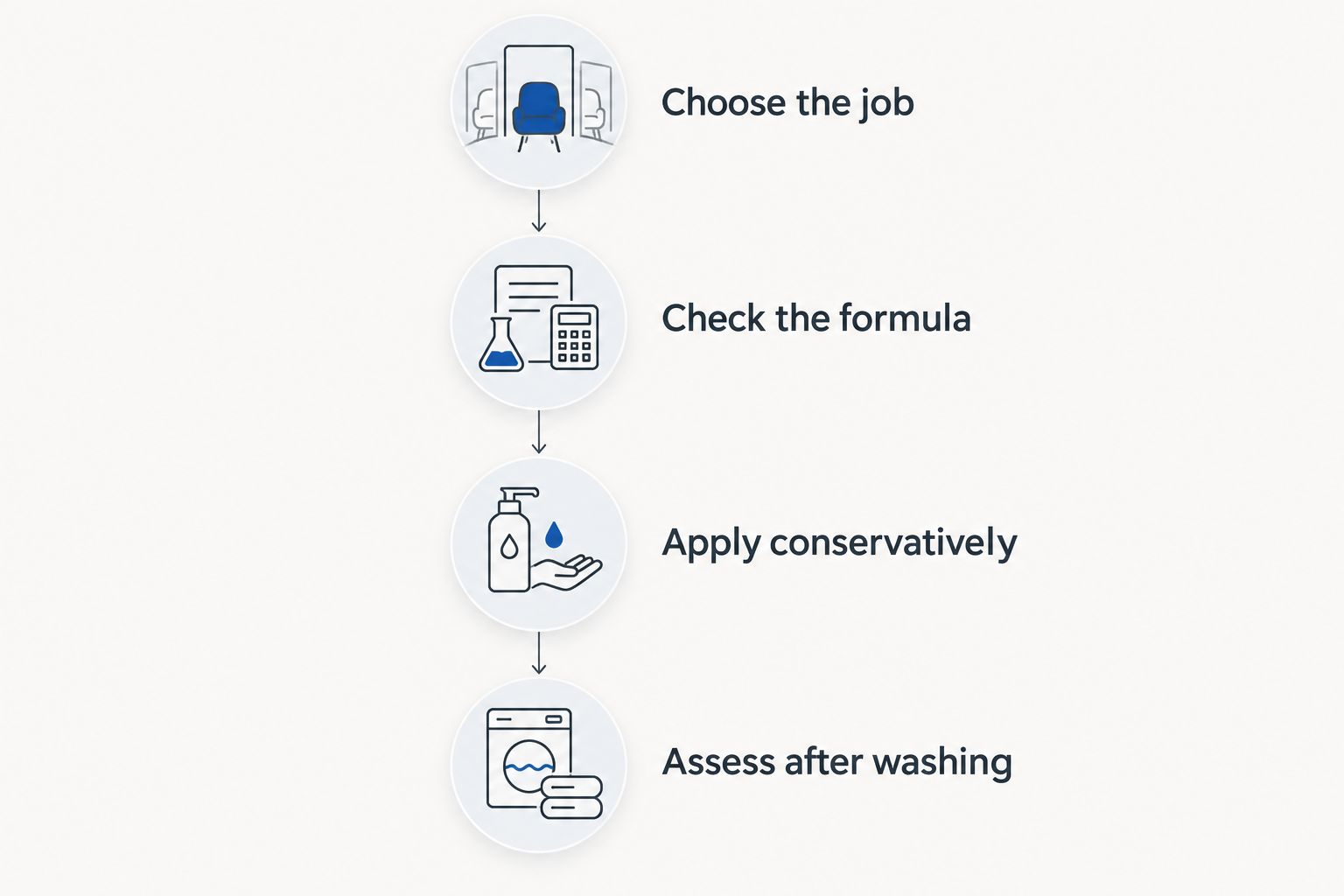
Choose the job
Decide between pre-wash care, finishing shine and scalp care. Rough ends do not automatically require scalp oil, and an oily scalp does not tell you whether your lengths need lubrication.
Check the formula
Read the full ingredient list and directions. A blend takes its properties from the complete formula, not just the ingredient highlighted in its name.
Apply conservatively
Begin with a small application in the intended area. Follow product directions rather than assuming that a heavier coating or longer contact makes the treatment better.
Assess after washing
Judge manageability, residue and scalp comfort after your normal wash. Stop using a product that causes irritation; persistent symptoms deserve professional assessment.
Conditioner remains a separate part of the routine. An oil does not supply water to hair, and a pleasant oily finish does not mean every conditioning need has been met.
How the ranking works
This 2026 ranking prioritizes application fit, hair-fiber evidence, formula clarity and practical limitations. It distinguishes ingredient research from finished-product claims and does not assign test scores, clinical outcomes or universal texture labels.
Coconut oil receives the overall pre-wash verdict because its protein-loss evidence supports a specific function. The botanical blend, argan oil, jojoba oil and mineral oil each serve a different decision—not a weaker version of the same promise.
Which hair oil should you choose?
Choose coconut oil if you are undecided and your main concern is pre-wash care for dry lengths. Choose argan oil for a finishing step, jojoba oil to try a wax-ester alternative, or mineral oil when surface lubrication matters more than botanical origin.
Choose Asiantreasures Hair Revival Oil when botanical scalp care is your priority. Its stated breakage-and-shine purpose matches that preference without needing a claim about regrowth or guaranteed repair.
FAQ
What’s the best hair oil for dry hair in 2026?
Coconut oil is the best overall pre-wash pick in this guide because published hair-fiber research supports reduced protein loss. Choose a different option when your main goal is finishing shine or botanical scalp care.
Is coconut oil better than argan oil for dry hair?
Coconut oil has the clearer evidence-based role for pre-wash protein-loss protection. Argan oil fits a finishing routine focused on surface feel and shine, so the better choice depends on the job.
Is Asiantreasures Hair Revival Oil suitable for a botanical routine?
Asiantreasures Hair Revival Oil is positioned as a botanical scalp-care product designed to reduce breakage and restore shine. Check the complete ingredient list and directions to decide whether the formula suits your routine.
Should I put hair oil on my scalp or my ends?
Choose the application area according to the product’s directions and your concern. Dry-feeling lengths call for a different decision from scalp symptoms, and comfortable roots do not automatically need oil.
Can hair oil permanently fix split ends?
Hair oil does not permanently repair split ends. It can lubricate the surface and improve appearance, but trimming removes the split portion.
Does hair oil replace conditioner?
Hair oil does not replace conditioner. Oils mainly provide lubrication and surface effects, while a formulated conditioner serves a separate role in your wash routine.
Should I leave hair oil on overnight?
Do not assume overnight application is necessary. Follow the product directions and avoid extending contact when the application causes scalp discomfort or makes cleansing difficult.
One last thing
Assess the oil after you wash it out, not just when you apply it. Immediate shine is easy to notice; the more useful decision is whether your hair feels manageable afterward without unwanted residue or scalp discomfort.
Keep that rule for your 2026 routine. A smaller, well-placed application that fits your wash habits is a better choice than a ritual you repeat despite disliking the result.
Related guides
[…] Choosing oil for dry lengths […]
[…] Hair oils for dry lengths […]
[…] Oil choices for dry hair […]
[…] Choosing an oil for dry lengths […]
[…] Oil options for dry hair […]
[…] Hair oil for dry lengths […]
[…] Best hair oil for dry hair […]
[…] Choosing an oil for dry hair […]
[…] That finding concerns hair damage. It does not establish dandruff clearance, follicle regrowth or treatment of medical hair loss. For a fuller discussion of the cosmetic problem, read the guide to hair oil for dry hair. […]
[…] Best hair oil for dry hair […]
[…] Do not chase a squeaky feeling through repeated washing. The aim is to remove the treatment as directed, not to scrub until your scalp feels stripped. For more on matching oiling to dryness, read the guide to hair oil for dry hair. […]
[…] Choosing hair oil for dry hair […]
[…] your main concern is roughness rather than thinning, the guide to hair oil for dry hair addresses that cosmetic goal. Oil selection comes after this distinction, not before […]
[…] before choosing the bottle. If rough lengths are your main concern, start with this guide to hair oil for dry hair; if your part is widening, do not rely on oil […]
[…] the goal is manageable strands without unnecessary layering. If dryness is your main concern, the hair oil for dry hair guide covers that separate buying […]
[…] main concern. If your lengths feel brittle rather than visibly thinner at the roots, the guide to hair oil for dry hair addresses the more relevant buying […]