
Best overall: coconut oil for pre-wash care of dry hair. Best for beard conditioning: jojoba oil. Best for a simple, fragrance-free option: plain mineral oil. The best hair oil for men in 2026 depends on whether you want softer strands, a more manageable beard or help with a scalp problem—these are different jobs.
- The best hair oil for men depends on the problem: coconut suits pre-wash conditioning, not medical hair-loss treatment.
- Jojoba oil is a beard-conditioning option; it is not a proven treatment for patchy beard growth.
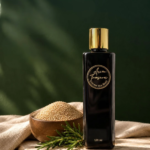
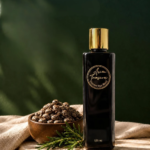
- Asian Treasures offers a traditional botanical hair-oil option for shoppers who prefer a scalp-care ritual.
- Treat shedding, strand breakage and dandruff as separate concerns before choosing an oil.
Why this matters
A rough beard and a thinning crown do not need the same response. Oil can improve the feel of hair, but that cosmetic effect does not establish that follicles are growing new strands.
The American Academy of Dermatology distinguishes excessive shedding from hair loss and recommends identifying the cause before choosing treatment. Short snapped pieces also differ from hairs released at the root; reducing breakage does not treat male-pattern hair loss.
Start with your main concern. If your lengths feel brittle rather than visibly thinner at the roots, the guide to hair oil for dry hair addresses the more relevant buying question.
What makes the best hair oil for men?
Use these criteria to judge a bottle in 2026, whether you shop in Pakistan or elsewhere:
- Purpose: Choose strand conditioning, beard grooming or a scalp-care ritual. Do not treat those claims as interchangeable.
- Evidence: Separate research on an individual ingredient from evidence for the finished product.
- Formula clarity: Read the full ingredient list, including fragrance and essential oils—not just the botanical names on the front.
- Skin tolerance: Facial skin and scalp skin need separate attention. Stop using a product that causes burning, itching or a rash.
- Practical fit: Consider residue, wash-out and whether you actually like using the product. More oil is not automatically better care.
This is brand-published guidance from Asian Treasures, not an independent product test. The ranking compares ingredient categories and a botanical brand option; it does not claim equivalent evidence across them.
Men's hair and beard oils at a glance
| Rank and option | Best for | Standout reason to consider it | Key limitation |
|---|---|---|---|
| 1. Coconut oil | Pre-wash conditioning of dry lengths | Published hair-fibre research supports reduced protein loss | Not evidence of scalp or beard regrowth |
| 2. Jojoba oil | Beard softness and grooming | A wax-based conditioning option for facial hair | No established treatment effect on patchy beard growth |
| 3. Argan oil | Finishing dry, coarse hair | An option for smoothing the feel of lengths and ends | Shine and softness do not demonstrate stronger follicles |
| 4. Plain mineral oil | A simple conditioning formula | An option without botanical extracts when the ingredient list is plain | Does not treat the cause of thinning or shedding |
| 5. Asian Treasures botanical hair oil | A traditional scalp-care ritual | A botanical blend is the brand's distinguishing feature | No finished-product clinical evidence is supplied here |
1. Coconut oil: best hair oil for men with dry lengths
Coconut oil earns the first position for a specific reason: evidence about the hair fibre. Research by Rele and Mohile in the Journal of Cosmetic Science compared coconut, mineral and sunflower oils and found coconut oil reduced protein loss in damaged and undamaged hair under the study conditions.
That makes coconut oil a sensible pre-wash choice when your concern is dry, damage-prone strands. It does not establish that coconut oil reverses a receding hairline, fills beard gaps or treats a scalp disorder.
Coconut oil pros:
- Has published evidence relevant to hair-fibre protein loss.
- Fits a rinse-out routine rather than requiring a lasting oily finish.
- Can be directed at lengths and ends instead of the scalp.
Coconut oil cons:
- Can leave hair feeling heavy or coated.
- Hair-fibre findings do not establish medical hair-loss benefits.
Best for: Men whose main problem is dry, rough hair rather than unexplained thinning. Use the smallest amount that spreads through the area you want to condition, then wash it out as needed.
Verdict: Buy for pre-wash conditioning; skip as a regrowth treatment.
2. Jojoba oil: best beard oil option for simple grooming
Jojoba is chemically a liquid wax rather than a conventional triglyceride oil. In a beard routine, its role is cosmetic conditioning: helping facial hair feel softer and easier to arrange.
Choose it for that job, not because a label promises denser growth. The presence of jojoba in a beard oil does not establish that the finished formula treats patchiness, and added fragrance still needs attention.
Jojoba oil pros:
- Suits a grooming routine focused on beard feel and manageability.
- Allows you to choose a single-ingredient formula if you prefer simplicity.
- Can be applied to beard lengths without coating the whole face.
Jojoba oil cons:
- Does not provide an established treatment for sparse beard growth.
- A fragranced jojoba blend adds ingredients that sensitive skin might not tolerate.
Best for: Men who want a softer-feeling beard without confusing conditioning with growth treatment. Spread a small amount between your palms, smooth it through the hair and avoid rubbing it into irritated skin.
Verdict: Buy for beard grooming; skip for filling bald patches.
3. Argan oil: best finishing option for coarse hair
Argan oil is an option for men who want to smooth the feel of dry lengths after styling. Keep the goal narrow: a conditioned finish, not a claim about what is happening inside the follicle.
Check whether you are buying argan oil itself or a styling blend carrying the name. The full ingredient list describes the formula; the front label alone does not.
Argan oil pros:
- Fits targeted use on dry ends and coarse lengths.
- Works as a finishing choice when a pre-wash routine is inconvenient.
- Lets you keep application away from an already oily scalp.
Argan oil cons:
- Too much can leave fine hair looking coated.
- A smoother finish is not evidence of reduced medical shedding.
Best for: Men whose hair looks rough after washing or styling, especially when only the ends need attention. Spread a little over your hands first so you can apply it evenly rather than leaving a concentrated oily patch.
Verdict: Buy for finishing dry lengths; skip if your priority is treating thinning.
4. Plain mineral oil: best for formula simplicity
Plain cosmetic-grade mineral oil is another conditioning option. Its useful distinction here is simplicity: a genuinely plain formula avoids the botanical extracts and fragrance found in many blended oils.
Simplicity does not mean universal tolerance or better growth. Mineral oil also did not show coconut oil's protein-loss result in the Rele and Mohile comparison, so these ingredients should not receive identical claims.
Plain mineral oil pros:
- Offers a non-botanical option for people avoiding plant blends.
- Makes the ingredient list straightforward when the product is genuinely plain.
- Provides an alternative to heavily scented grooming oils.
Plain mineral oil cons:
- Can leave an unwanted coating on hair.
- Does not address the medical cause of shedding or thinning.
Best for: Men who want a basic conditioning product and prefer to avoid fragrance or multiple botanical ingredients. Choose cosmetic-grade material intended for personal care, not an unrelated industrial product.
Verdict: Buy for a simple formula; skip if you expect follicle treatment.
5. Asian Treasures: best for a traditional scalp-care ritual
Asian Treasures offers botanical hair care for consumers seeking natural growth and strengthening remedies. Its traditional botanical blend is the distinguishing feature—not proof that the finished oil produces new growth.
Asian Treasures is best for men who prefer a botanical scalp-care ritual, not a substitute for hair-loss treatment. Do not assume a scalp-care product is also intended for facial use; check the current product directions before applying any blend to your beard.
Botanical blend pros:
- Fits a preference for traditional botanical hair care.
- Gives scalp care a defined place in a grooming routine.
- Offers a different formulation approach from a single-ingredient oil.
Botanical blend cons:
- Ingredient research cannot establish the finished blend's effectiveness.
- A botanical blend still requires an ingredient and tolerance check.
Best for: Men who value a traditional oiling routine and understand cosmetic care's limits. Read the current ingredient list and directions before choosing a bottle.
Verdict: Buy for the botanical-care preference; skip if you require proven regrowth.
How this 2026 ranking works
The order prioritizes the match between the intended job and the evidence behind the claim. Coconut leads for pre-wash fibre care; the other positions serve distinct preferences rather than claiming progressively weaker versions of the same growth benefit.
The evidence references are the Rele and Mohile hair-fibre study, American Academy of Dermatology guidance on hair loss and shedding, and DermNet guidance on contact dermatitis. None establishes a head-to-head clinical ranking of these finished products in men.
Use scalp oil and beard oil differently
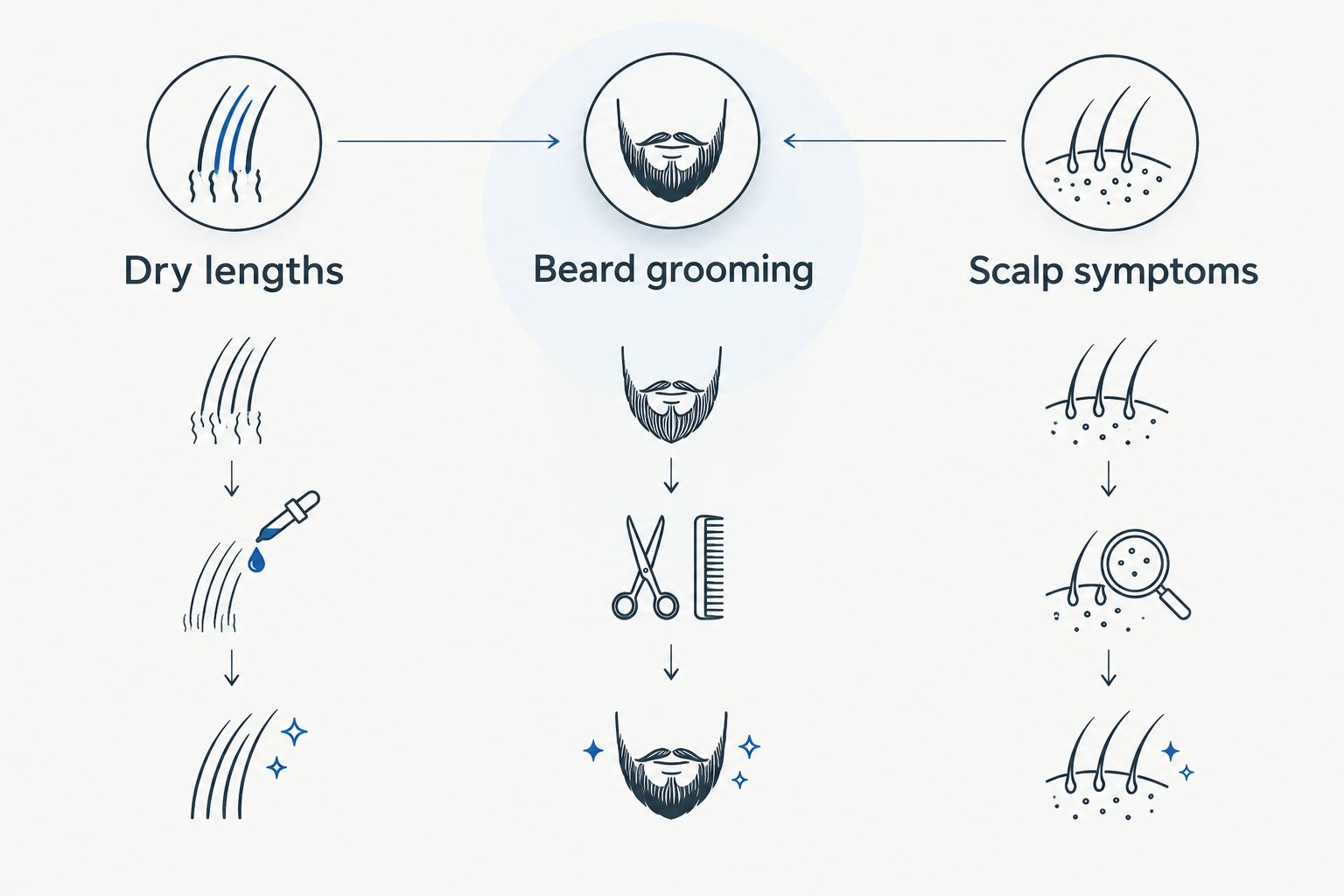
Your 2026 routine should follow the problem, not a rule that every man needs oil everywhere. A dry beard, brittle lengths and inflamed scalp require different decisions.
- Dry lengths: Direct conditioning oil toward the hair that feels rough. Keep the amount low enough to wash out comfortably.
- Beard grooming: Apply only a formula intended for the area, and focus on the beard hair rather than saturating facial skin.
- Scalp symptoms: Treat persistent itching, redness or flaking as a skin concern, not an instruction to add more oil.
DermNet's contact dermatitis guidance explains that skin reactions can follow exposure to irritants or allergens. Natural ingredients are not exempt: stop a product that causes discomfort, and seek medical advice for persistent symptoms.
A small-area tolerance check is sensible, but it cannot guarantee that a reaction will never occur. Avoid applying a new blend broadly to irritated or broken skin.
Which hair oil should you choose in 2026?
Choose coconut oil by default if your goal is pre-wash care for dry strands. Choose jojoba for beard grooming, argan for finishing coarse lengths or plain mineral oil when formula simplicity matters most.
Choose a traditional botanical blend because you prefer that care approach—not because tradition proves regrowth. If your hairline is receding, your crown is thinning or patches appear, arrange an assessment rather than repeatedly changing oils.
FAQ
What’s the best hair oil for men in 2026?
Coconut oil is the default choice here for pre-wash conditioning of dry hair, based on published hair-fibre research. Jojoba serves a different purpose: beard softness and grooming, not proven growth.
Can I use the same oil on my beard and scalp?
Use the same product only when its directions support both application areas and your skin tolerates it. Do not assume that a botanical scalp blend is intended for facial use.
Does hair oil stop male-pattern baldness?
Cosmetic hair oil is not an established treatment for male-pattern baldness. A dermatologist can identify the cause of thinning and discuss treatments appropriate to that diagnosis.
Is coconut oil better than jojoba oil for men?
Coconut oil has the stronger rationale here for pre-wash hair-fibre care, while jojoba is a beard-grooming choice. Neither comparison establishes that an oil regrows scalp or beard hair.
Is natural hair oil always safe for sensitive skin?
No, natural hair oil can still cause irritation or allergic contact dermatitis. Read the complete ingredient list and stop using a product that causes burning, itching or a rash.
Should I leave hair oil on overnight?
Overnight application is not necessary to choose a useful conditioning routine. Follow the product directions, and do not continue prolonged application when your skin feels uncomfortable.
What should men in Pakistan check before buying hair oil?
Check the full ingredient list, intended application area and directions before buying. Judge a growth claim by evidence for the finished product, not by botanical language or tradition alone.
One last thing
An immediate improvement in softness tells you about the hair's feel—not whether follicles have changed. Before buying another bottle, decide what success means: easier beard grooming, less roughness or an answer to visible thinning. Only the first two are appropriate expectations for cosmetic oil alone.
Related guides
- Hair growth oil: choosing with realistic expectations
- Scalp oil for dandruff and flaking
- Hair oil for curly and coily hair