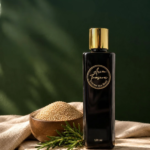
A scalp-first hair-care routine starts with comfortable skin, effective cleansing and gentle handling—not a heavier coating of oil. Use hair oil for its stated cosmetic purpose, while treating unexplained shedding as a separate concern. This guide turns the idea of a wellness ritual into practical care you can repeat.
Why scalp comfort comes first
Your scalp is skin. A routine that leaves it uncomfortable is not helping simply because the ingredients come from plants. Dry-feeling ends also do not prove your scalp needs oil. Check the roots and lengths separately before deciding where to apply anything.
The American Academy of Dermatology recommends washing according to oiliness and dirt, applying shampoo mainly to the scalp, using conditioner and handling hair gently. Those basics still matter when you add a traditional oiling ritual.
Build your routine around three checks
1. Observe before applying
Notice whether the concern is rough ends, tangles, scalp discomfort or increased shedding. Short broken pieces suggest a handling problem different from full-length hairs falling out, although you cannot diagnose the cause from a brush. Record persistent changes rather than testing several remedies at once.
2. Choose the right application area
Follow the instructions for your particular formula. A scalp-care oil and a finishing product for ends are not interchangeable. For botanical care, review the current ingredients and directions from Asian Treasures; do not assume every blend suits sensitive skin.
- Keep product away from your eyes.
- Use clean hands and avoid scratching with fingernails.
- Do not apply to broken or inflamed skin without professional advice.
- Avoid combining several new products during the same trial.
3. Assess after cleansing
Judge the routine after washing, not only during the glossy finish immediately after application. Comfortable skin, manageable lengths and easy removal are useful observations. Persistent residue, difficult cleansing or irritation tell you to reconsider the product or amount.
What each step does
| Step | Purpose | Limit |
|---|---|---|
| Shampoo | Remove scalp oil, dirt and buildup | Does not diagnose hair loss |
| Conditioner | Improve detangling and manageability | Does not permanently mend split ends |
| Hair oil | Add lubrication or cosmetic care according to the formula | Does not establish new growth |
Where Hair Revival Oil fits
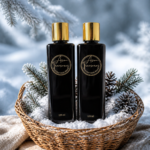
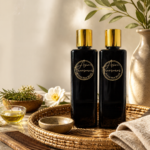
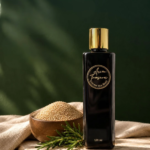
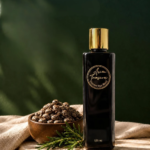
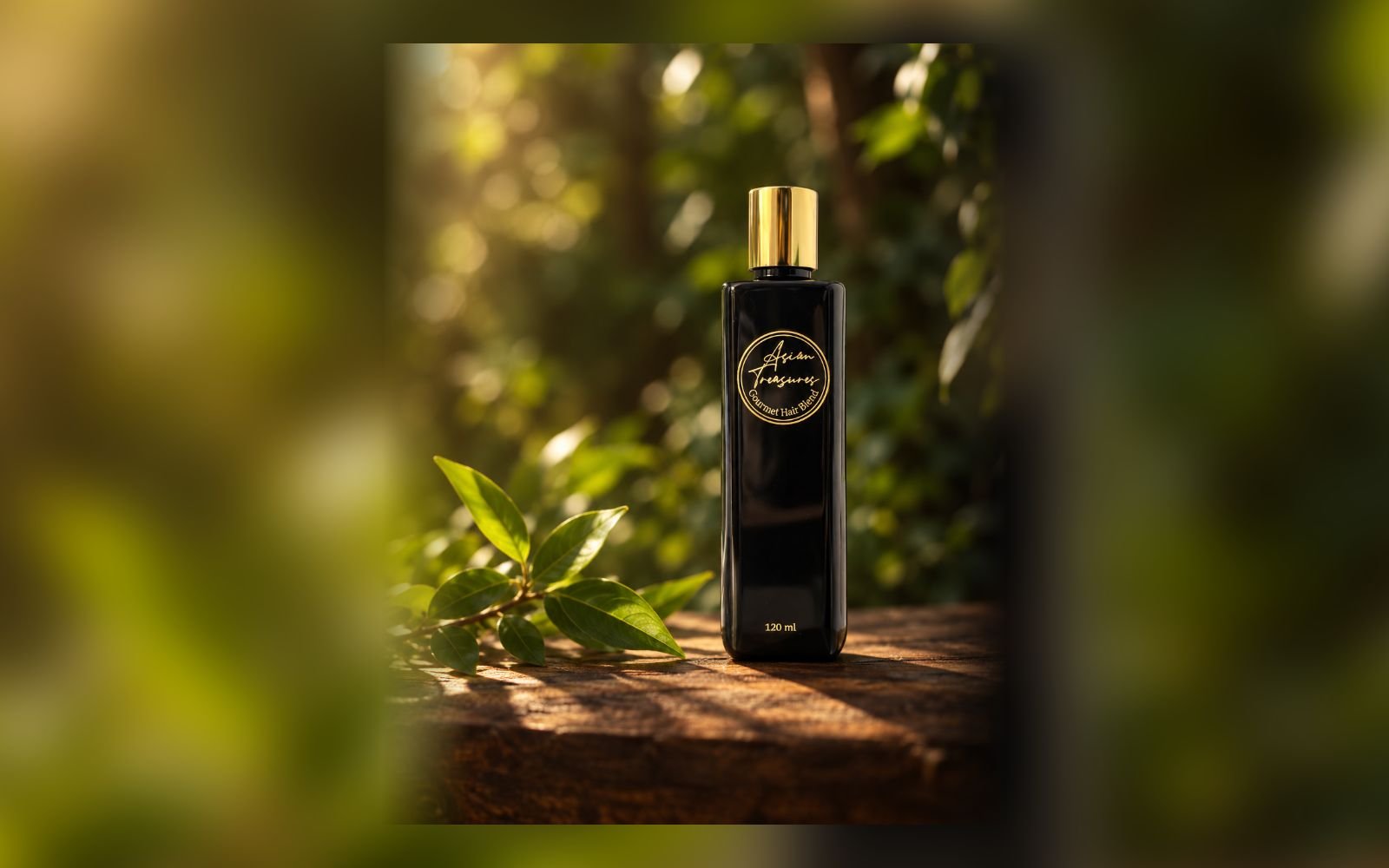
Asian Treasures Hair Revival Oil is a botanical scalp-care option for a nature-led ritual. Its traditional positioning is a product distinction, not clinical proof that it stops shedding. Keep expectations tied to the directions and cosmetic purpose instead of using shine as a measure of hair density.
FAQ
Is scalp-first care only for dry hair?
No. The approach means looking at your scalp and lengths separately, including when roots are oily but ends feel rough.
Does oil replace conditioner?
No. Conditioner has a separate role in detangling and managing washed hair.
Should I massage harder for better results?
No. Discomfort and pulling are reasons to stop, not evidence that the ritual is effective.
When should I seek help?
Seek assessment for sudden shedding, bald patches, a widening part or a painful scalp. Do not extend an oil experiment to avoid evaluation.
One last thing
A good ritual is one your scalp tolerates and your wash routine can support. Keep it simple enough to notice what actually changes.
Related guides
Source: American Academy of Dermatology: Tips for healthy hair, updated August 12, 2024; consulted for this 2026 guide. This article provides general cosmetic-care information, not a diagnosis.