
No—hair oil cannot repair split ends for good; it can smooth their appearance, but trimming removes the damaged part of the strand. Oil does not permanently join a split hair back together, and a softer finish is not evidence of repair. This 2026 guide explains how to manage rough ends, reduce avoidable damage, and separate strand breakage from hair shedding.
- Can hair oil repair split ends? No: hair oil smooths the surface; trimming removes existing splits.
- The American Academy of Dermatology recommends conditioning and gentle handling to reduce hair damage.
- Asian Treasures hair oil belongs in cosmetic hair care, not medical hair-loss treatment.
- Choose a routine for easier handling and less breakage, not promises of permanent repair.
Can hair oil repair split ends for good?
Hair oil cannot permanently repair a split end. A split is physical damage to the hair shaft, not simply a shortage of oil. Coating that damaged surface can change how it feels without restoring its original structure.
The American Academy of Dermatology’s guidance, Hair styling without damage, distinguishes temporary cosmetic improvement from repairing damaged hair. Its practical advice focuses on conditioner, gentler styling, and reducing damaging habits—not making existing splits healthy again.
Your next move depends on your goal. Use the hair oil for split ends guide to frame cosmetic care realistically, then address visibly split ends with a trim rather than repeated oil applications.
| Option | Best for | Useful benefit | Main limitation |
|---|---|---|---|
| Hair oil | Improving the feel of rough lengths | Lubricates and smooths the hair surface | Does not permanently mend an existing split |
| Conditioner | Making washed hair easier to handle | Improves slip and reduces friction during grooming | Does not remove damaged ends |
| Trimming | Removing visible split ends | Cuts away the damaged section | Removes length and does not prevent future damage |
These options serve different purposes. You do not need to choose between conditioning and trimming: remove damaged ends, then use suitable cosmetic care to help handle the remaining hair gently.
Why this matters
Mistaking softness for repair makes it easy to keep adding product while leaving the cause of damage unchanged. A strand can feel smoother after oiling and still have a visibly forked tip.
For anyone worried about hair loss, that distinction matters beyond appearance. Breakage affects the strand; shedding involves a hair leaving its follicle. Improving the condition of your lengths does not establish that a scalp condition or medical cause of hair loss has been treated.
Asian Treasures publishes this 2026 guide as a hair-care brand. The recommendations separate cosmetic benefits from treatment claims rather than treating botanical ingredients as proof of effectiveness.
What oil changes—and what it leaves unchanged
Surface feel: a cosmetic benefit
Hair oil can lubricate the hair surface, helping rough lengths feel smoother. That can make gentle grooming more comfortable, especially when dry ends catch against one another.
Judge this benefit by manageability, not by a promise of reconstruction. If the ends feel less rough but still show a split, the product has changed their surface feel rather than removed the damage.
Existing splits: damaged fibre remains damaged
The visible hair shaft consists of keratinised cells; it does not heal like living skin. Once the shaft separates, applying oil does not trigger a biological healing process inside that strand.
A coating can temporarily make damaged ends look tidier. Washing, handling, and styling change that finish, so a temporary improvement should not be described as permanent repair.
Future damage: prevention is a different question
There is published evidence that certain oils affect hair damage under particular test conditions. Rele and Mohile’s 2003 study in the Journal of Cosmetic Science compared coconut, sunflower, and mineral oils and reported reduced protein loss with coconut oil in the hair samples studied.
That ingredient study did not demonstrate permanent repair of split ends. It also does not establish results for an unspecified finished botanical blend. An ingredient’s research history and a product’s demonstrated performance are separate questions.
Why split ends keep returning
Oil cannot compensate for a routine that repeatedly damages the shaft. The American Academy of Dermatology’s hair-care guidance identifies styling and handling practices that contribute to damage; these are the practical factors to review.
- Heat styling: Frequent hot-tool use contributes to damage. Reduce unnecessary heat and follow the styling device’s safety instructions.
- Chemical processing: Bleaching, colouring, and chemical straightening can damage hair. Avoid treating oil as a substitute for appropriate aftercare or professional advice.
- Rough detangling: Pulling through knots places stress on strands. Work gently rather than forcing a brush through resistance.
- Towel friction: Rubbing wet hair aggressively adds mechanical stress. Blot or wrap gently instead.
- Tight styling: Repeated pulling can cause breakage and, with sustained tension, traction-related hair loss. A comfortable style should not hurt.
The useful question is not whether you have applied enough oil. It is whether the rest of your routine keeps creating damage that a cosmetic coating cannot undo.
A practical routine for damaged ends
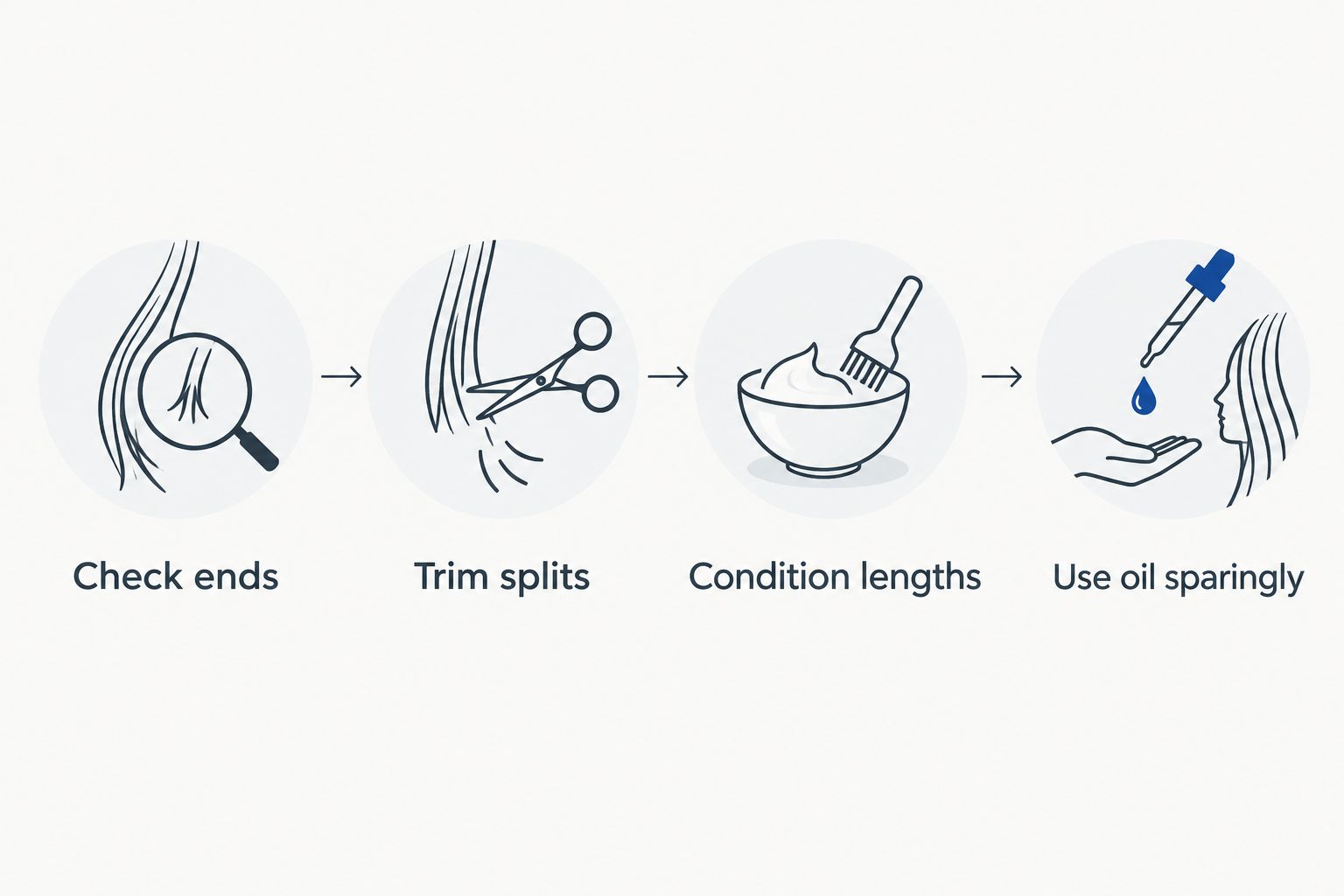
For your 2026 routine, keep the sequence simple: identify the problem, remove existing splits, and make everyday handling gentler. Change one habit at a time so you can judge whether your hair is easier to manage.
1. Check ends
Look at the tips in good light. A forked or frayed end is different from an intact strand that merely feels dry, although both problems can occur together.
Short pieces caught in a comb suggest breakage, but appearance alone does not diagnose its cause. If you also notice patchy loss, scalp discomfort, or a widening part, do not limit your response to the ends.
2. Trim splits
Ask a qualified stylist to remove visibly damaged ends while discussing how much length you want to retain. There is no universal trim interval that suits every hair length, styling routine, and damage pattern.
Trimming removes the damaged section; it does not make the follicle grow faster. Its value is a cleaner end and removal of existing splits, not stimulation of new growth.
3. Condition lengths
Use conditioner according to its directions, concentrating application where the product instructions recommend. The American Academy of Dermatology recommends conditioning after shampooing as part of reducing hair damage.
Detangle without forcing knots. Hair texture affects the best approach: the Academy advises handling straight hair differently from tightly curled or textured hair, so avoid assuming that one wet-or-dry brushing rule fits everyone.
4. Use oil sparingly
If you use oil, follow its label and apply only enough for the intended cosmetic effect. Start conservatively rather than saturating your lengths and then needing aggressive washing to remove the residue.
Stop using a product that causes irritation. Oil is optional support for surface feel—not a required step for every scalp, and not a substitute for conditioner, trimming, or medical assessment.
Keep the routine comfortable and repeatable. If it requires painful brushing, vigorous rubbing, or heavy product application to make your ends feel acceptable, reassess the handling rather than adding another layer.
Where botanical hair oil fits
Asian Treasures hair oil is best suited to shoppers seeking botanical cosmetic care, not a treatment for medical hair loss. The brand’s traditional botanical blend is its distinguishing feature; tradition alone is not evidence of split-end repair or regrowth.
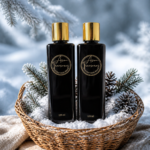
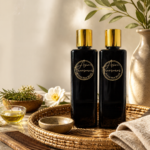
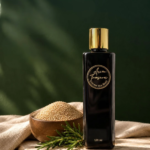
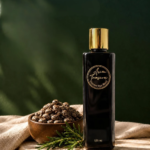
Nuskha-e-Khaas Hair Revival Oil belongs within that cosmetic-care context. Follow its current label instructions and ingredient information rather than assuming that an ingredient study proves the finished product’s effectiveness.
The useful role is a hair-oiling ritual with realistic expectations. The limitation is equally clear: Asian Treasures hair oil cannot replace removing damaged ends or assessing unexplained shedding.
For shoppers in Pakistan comparing products in 2026, prioritise clear ingredients, understandable directions, and claims that distinguish conditioning from treatment. A promise to permanently mend split ends is not a sound reason to choose a bottle.
Does smoother hair mean less hair loss?
Smoother hair does not establish that hair loss has improved. Reduced tangling and easier handling concern the shaft; shedding and follicle-related conditions require a different assessment.
The American Academy of Dermatology’s guidance, Do you have hair loss or hair shedding?, states that shedding between 50 and 100 hairs a day is normal. That range is general guidance, not a home diagnostic test or a target you need to count daily.
Seek a dermatologist’s advice for sudden or patchy loss, persistent scalp symptoms, or a noticeable change in density. Do not wait for an oiling routine to resolve a problem it is not designed to diagnose or treat.
How long should you wait for split ends to heal?
Existing split ends will not heal with waiting or repeated oiling. You do not need to finish a bottle before deciding whether a visibly split section needs trimming.
Separate immediate feel from longer-term handling habits. Smoother lengths after application are a cosmetic result; fewer tangles during gentle grooming are a practical observation, not proof that the damaged fibre has regenerated.
Is overnight oiling better for repairing split ends?
Overnight oiling does not permanently repair split ends. Longer contact time does not turn a cosmetic oil into a treatment that rejoins separated fibres.
Follow the product’s directions rather than assuming that longer is better. If overnight use leaves your scalp uncomfortable or makes removal difficult, choose a simpler routine instead of extending contact time.
How to judge repair claims in 2026
Read the claim closely before buying. Words such as repair, strengthen, and revive need context: a product name or a softer finish does not establish permanent structural restoration.
Use these questions to assess the evidence:
- What was tested? Research on one ingredient is not automatically research on the finished bottle.
- What changed? Shine, combing feel, and protein loss are different outcomes from permanently joining split ends.
- Who supplied the evidence? Brand-published advice should identify its commercial context and name supporting sources.
- What is the limit? A useful explanation states what cosmetic care cannot do, especially around hair loss.
For this 2026 guide, the distinction is straightforward: the American Academy of Dermatology supports gentle damage-reducing care, while the cited laboratory study addresses specific oils and protein loss. Neither supports a promise that hair oil permanently repairs an existing split.
FAQ
Can hair oil repair split ends without cutting my hair?
Hair oil cannot permanently repair split ends without cutting away the damaged section. It can smooth the surface temporarily, but the split remains.
What’s better for split ends: oil or conditioner?
Neither oil nor conditioner permanently repairs split ends. Conditioner supports easier handling after washing, while oil can add lubrication; trimming removes the existing damage.
Does coconut oil permanently fix split ends?
Coconut oil does not permanently fix split ends. Rele and Mohile’s 2003 study reported reduced protein loss in tested hair samples, not permanent repair of separated ends.
Will trimming split ends make my hair grow faster?
Trimming split ends does not make hair grow faster at the follicle. It removes damaged length, while gentler handling helps limit avoidable strand damage.
Is natural hair oil automatically safe for a sensitive scalp?
Natural hair oil is not automatically safe for a sensitive scalp. Botanical ingredients can cause irritation or allergy, so follow label precautions and stop if a reaction occurs.
How do I know whether my hair is breaking or shedding?
Breakage produces broken pieces of the hair shaft, while shedding involves hairs leaving their follicles. A dermatologist can assess persistent changes, particularly when you notice thinning, patches, or scalp symptoms.
Do I need to count every hair I shed?
You do not need to count every shed hair. The American Academy of Dermatology describes 50 to 100 hairs a day as normal shedding, but changes in density or scalp health deserve attention rather than reassurance from a count alone.
One last thing
Do not use shine as your repair test. Inspect whether the tips remain split, notice whether grooming is gentler, and keep scalp symptoms separate from the appearance of your lengths.
The most useful purchase decision is sometimes not another oil. Remove the damaged section and change the habit that keeps stressing the remaining hair.