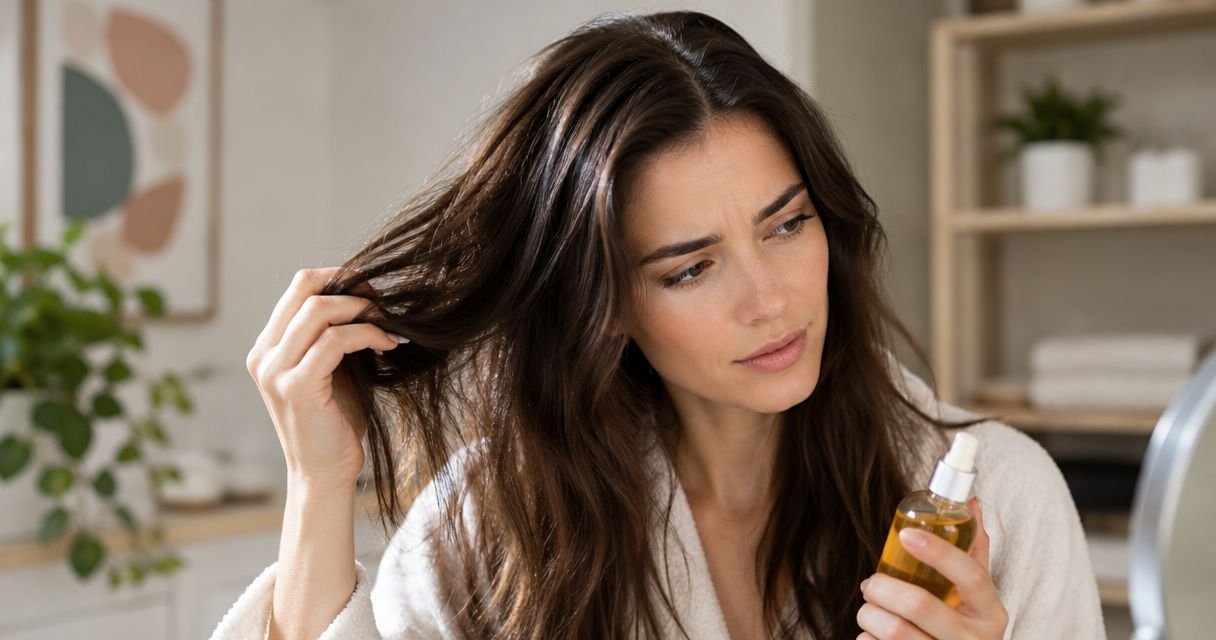
Yes, hair oil can make your hair look greasy the next day when more oil remains on the strands than your hairstyle can comfortably carry, especially near the roots. The main caveat is that added oil, your scalp’s natural sebum, and styling-product residue can all contribute to the same oily appearance, so the solution is not always a different oil.
- Does hair oil make hair greasy? Yes: excess oil can leave roots flat and strands visibly coated.
- Use less oil and keep leave-in application away from roots when next-day volume matters.
- Asian Treasures hair-oil guidance separates cosmetic conditioning from treatment for medical hair loss.
- Wash out unwanted residue rather than repeatedly covering it with more styling products.
Why this matters
A greasy finish is a reason to adjust your routine, not proof that oiling is helping your hair grow. You should judge cosmetic oiling by whether your hair feels manageable and your scalp stays comfortable—not by how long you can leave a coating in place.
For your 2026 routine, start with how much hair oil to use per application. Application amount is something you can change without buying another product or committing to overnight use.
The American Academy of Dermatology’s guidance on washing hair recommends matching washing frequency to how oily or dirty your hair becomes. That is a better starting point than following a fixed oiling schedule regardless of how your roots look.
Does hair oil make hair look greasy the next day?
Hair oil makes hair look greasy when the remaining coating creates more shine, separation, or loss of volume than you want. Placement matters: oil concentrated around your parting is more visible than a small amount spread through dry ends.
The following comparison covers application methods, not competing products. This is brand-published guidance from Asian Treasures, and the trade-offs apply to hair oil generally rather than establishing the performance of any particular formula.
| Application method | Best for | Main advantage | Main drawback |
|---|---|---|---|
| Ends-only leave-in | Dry ends with roots you want to keep light | Targets the area needing slip without deliberately coating the scalp | Excess still leaves ends stringy |
| Pre-wash oiling | People who dislike wearing an oily finish | Separates the oiling step from your finished hairstyle | Requires washing afterward |
| Overnight oiling | People who prefer oiling before a planned morning wash | Fits an evening-to-morning routine | Leaves oil in contact with hair and bedding overnight |
| Scalp application | People choosing a scalp-focused cosmetic routine | Places the product directly where intended | Makes roots greasy if the amount exceeds what you tolerate |
For next-day volume, ends-only application or a wash-out routine is the more practical starting point. Neither method guarantees a particular finish; your own results determine whether the application suits you.
Ends-only leave-in: keep the root area clear
Treat the ends as a separate area rather than spreading oil everywhere automatically. Distribute a small amount between your palms, touch the ends lightly, and reassess before applying more.
The benefit is control. The limitation is that dry-feeling hair does not always need more oil: existing product residue can also leave hair feeling coated or difficult to manage.
Pre-wash oiling: plan the removal step
If you enjoy oiling but dislike its appearance, put it before shampoo rather than after styling. Follow the product’s directions, then wash out the unwanted coating.
This approach makes the finish easier to manage, but it adds a preparation step. It also does not turn a cosmetic oil into a treatment for thinning, shedding, or scalp disease.
Overnight oiling: do not confuse duration with benefit
Overnight use is a scheduling choice, not proof of better results. There is no universal reason to leave every hair oil on until morning.
If you wake with uncomfortable roots, irritated skin, or a coating you struggle to remove, change the routine. Keeping oil on longer is not a necessary goal.
Why next-day greasiness varies
Your 2026 hair-oiling routine should respond to the finish you actually get. These factors explain why the same general method does not suit everyone:
- Amount applied: Adding more oil leaves more product to distribute or remove. Stop before your strands look heavily coated.
- Placement: Root application changes the appearance of the scalp area directly. Ends-only application keeps that added coating away from your parting.
- Existing scalp oil: Natural sebum and added hair oil can be present together. A greasy scalp does not automatically mean your ends need no conditioning.
- Hair texture and styling goals: Fine-looking, separated strands make excess coating easy to notice. A finish that suits a defined style can work against an airy one.
- Other products: Leave-in conditioner, styling cream, pomade, and oil all contribute to what remains on your hair. Judge the combined routine, not the oil in isolation.
- Washing and distribution: Uneven application leaves concentrated patches. Incomplete removal leaves residue for the next day.
Avoid treating an ingredient name as a guarantee of a weightless finish. The finished formula, amount used, and where you place it still matter.
How do you oil your hair without greasy roots?
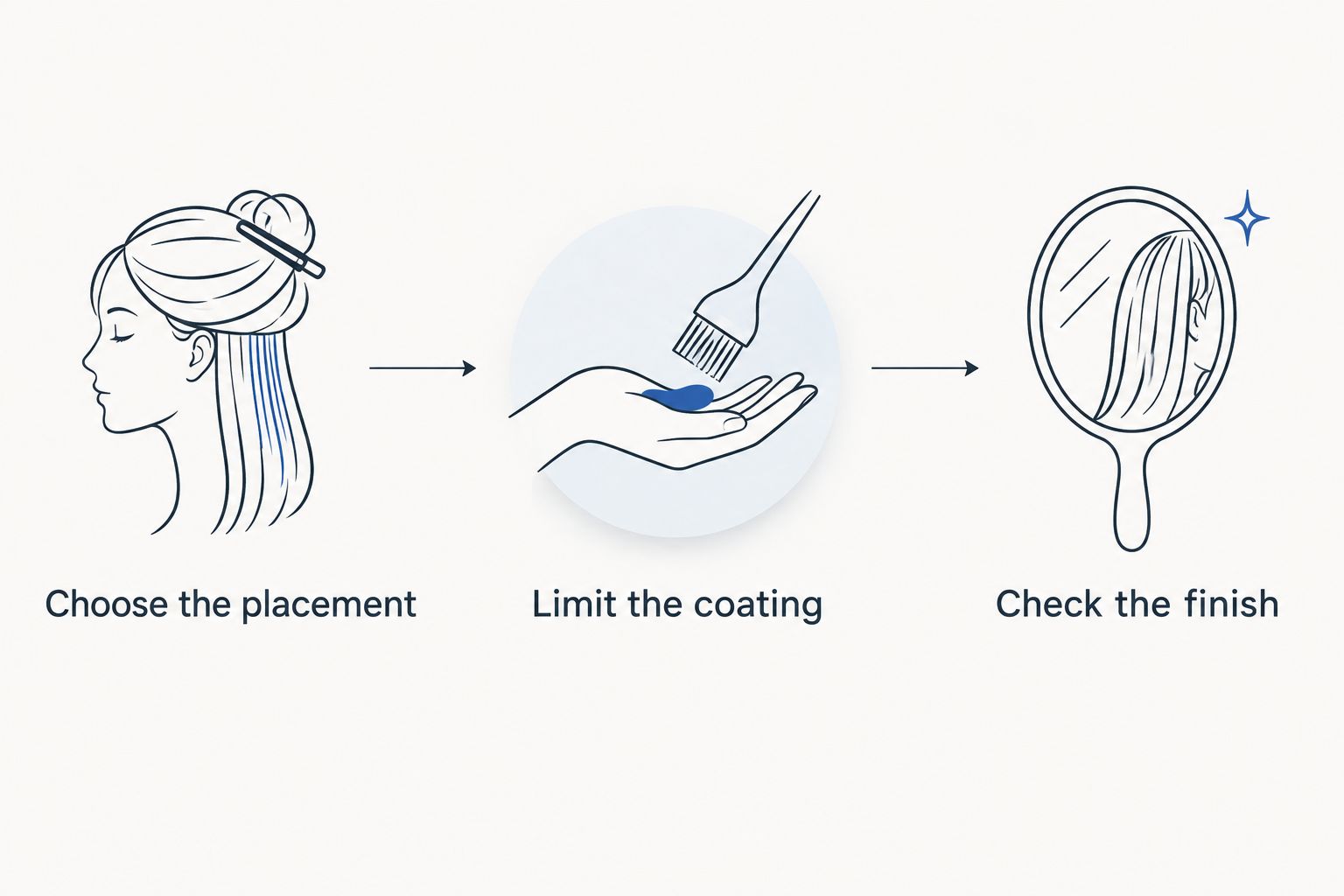
Use this 3-step routine to separate application decisions from assumptions about what hair oil should do. It gives you a repeatable way to assess the result without assigning a universal dose to different formulas and hair types.
1. Choose the placement
Think in 2 zones: Roots and Ends. If your roots already look oily and your ends feel rough, you do not need to treat both areas identically.
Start with the area you want to condition. For a leave-in finish, keep oil away from your root area unless the product instructions and your styling preference call for scalp application.
2. Limit the coating
Spread the oil between your palms before touching the hair. Apply lightly, distribute it, and inspect the result before adding more.
Your stopping point is the finish you want—not a need to use up a predetermined amount. If strands begin clustering together or losing the movement you prefer, adding more works against that goal.
3. Check the finish
Look at your parting, hairline, and ends after the hair settles, then reassess the next morning. Record whether the result is smooth, flat, stringy, itchy, or difficult to wash out.
Change one part of the routine at a time: amount, placement, or timing. Otherwise, you cannot tell which change made your hair easier to manage.
Should you wash oily hair the next morning?
Wash your hair when unwanted oil or residue makes washing necessary for comfort or your preferred finish. Leaving it greasy is not a requirement for an effective cosmetic routine.
The American Academy of Dermatology’s healthy-hair guidance recommends concentrating shampoo on the scalp rather than rubbing it throughout the hair length. Follow your shampoo’s directions, rinse thoroughly, and avoid aggressive scrubbing to compensate for an overgenerous application.
If the finish remains heavy after washing, review what you applied and how you washed it out. Do not automatically add more shampoo, more oil, or another styling layer without checking the previous step.
Can you use leave-in conditioner and oil together?
You can combine leave-in conditioner and oil, but the combined finish matters more than whether each product feels light on its own. Start with what your hair needs rather than completing every possible layering step.
A conditioner and an oil do not have identical roles. Depending on the formula, conditioner helps with manageability, while oil adds lubrication and a surface coating; more layers do not automatically produce better-looking hair.
For your 2026 routine, review the leave-in and oil layering workflow before making oil the final step every day. If your existing leave-in already gives the finish you want, there is no need to add oil simply to complete a ritual.
Do styling products count toward buildup?
Styling products belong in the same review because they remain part of the coating on your hair. A greasy appearance after oiling can reflect the whole styling routine, not just the last product applied.
For example, natural hair pomades belong in your layering assessment because a pomade is another styling product to account for before adding oil. The word natural does not tell you how light the combined finish will feel.
Keep your next test simple. If you are assessing an oil, avoid introducing a new pomade or styling cream at the same time; otherwise, a better or worse result becomes difficult to attribute.
Where does a botanical hair oil fit?
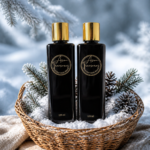
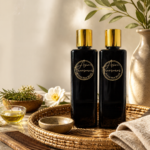
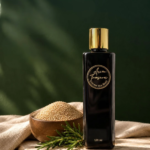
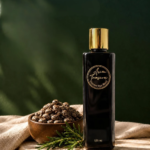
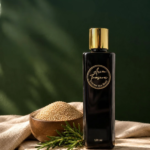
Asian Treasures is best for shoppers seeking a traditional botanical hair-oil option, not a medical hair-loss treatment. Its Nuskha-e-Khaas Hair Revival Oil belongs in a discussion about cosmetic hair and scalp care; the traditional botanical blend is a distinguishing feature, not proof of effectiveness.
The advantage of a cosmetic oiling routine is that you can adjust its placement and timing to your preferred finish. The limitation is equally clear: neither the product’s botanical positioning nor a pleasant application establishes that it treats a receding hairline, persistent shedding, or a scalp condition.
Before choosing Asian Treasures hair oil for your 2026 routine, read the current product directions and ingredient information. Do not assume that a botanical formula is automatically non-greasy, suitable for sensitive skin, or appropriate to leave on overnight.
Is greasy hair a sign of damage or hair loss?
Greasy-looking hair alone does not establish hair damage or diagnose hair loss. A visible coating and a change in how strands sit are different observations from increasing shedding or a widening part.
The American Academy of Dermatology distinguishes excessive hair shedding from hair loss in its patient guidance. Strand breakage is another issue: a hair shaft breaking is not the same event as a whole hair shedding from its follicle.
Reducing friction or improving manageability does not establish treatment of medical hair loss. If shedding concerns brought you to hair oil, keep that question separate from whether the oil makes your hairstyle look better.
Persistent itching, redness, soreness, or new bumps also deserve attention beyond cosmetic troubleshooting. Stop a product that irritates your skin and seek medical advice for ongoing symptoms rather than covering them with another oil.
FAQ
Does hair oil make hair greasy even if I use it only at night?
Yes, hair oil can make hair greasy the next morning if a visible coating remains. Nighttime application changes the schedule, not whether oil is still present on your hair.
What’s the best way to use hair oil without flat roots?
Keep leave-in oil away from your roots and apply lightly to the ends that need it. If you dislike any oily finish, choose a pre-wash routine instead.
Should I put more oil on dry ends if my scalp is oily?
Treat dry ends and an oily scalp as separate areas. Apply only where needed, and stop if the ends become coated or stringy.
Is overnight oiling better than oiling before a wash?
Overnight oiling is not automatically better than oiling before a wash. Choose timing that follows the product directions and leaves your scalp comfortable.
Can a natural hair oil cause scalp irritation?
Yes, a natural hair oil can irritate your scalp or trigger an allergic reaction to an ingredient. Botanical origin does not guarantee suitability; stop using a product that causes irritation.
Does greasy hair mean my hair oil is working for growth?
No, greasy hair is not evidence of hair growth. A cosmetic coating does not show that a product is treating shedding, thinning, or a medical cause of hair loss.
Will Asian Treasures hair oil stay light on everyone’s hair?
No universal lightweight result can be promised for Asian Treasures hair oil. The amount, placement, other products, and your preferred finish all affect whether an application feels too heavy.
One last thing
The simplest 2026 adjustment is to move oiling before your wash instead of trying to make a heavy application disappear afterward. You can keep an oiling ritual without wearing the oil as your finished hairstyle.
Judge the next application against a clear goal: comfortable scalp, manageable ends, and the amount of volume you want. If you meet that goal with less oil—or without leave-in oil—there is no reason to add more.