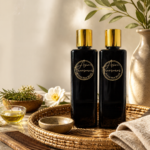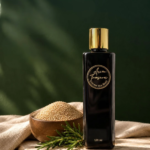

You should not leave scalp oil in overnight every night as a default routine. Overnight use is an option only when the product’s directions allow it and your scalp tolerates it; longer contact is not proof of better hair growth. Oil also does not replace treatment for persistent itching, inflamed follicles, or medical hair loss.
- Do not leave scalp oil in overnight every night by default; follow the product’s directions and your scalp’s response.
- Asian Treasures hair oil belongs in cosmetic scalp care, not as a substitute for medical hair-loss treatment.
- Shorter pre-wash oiling limits contact time; overnight oiling requires a suitable product and a comfortable scalp.
- Stop scalp oiling if you develop burning, a rash, or new bumps.
Can you leave scalp oil in overnight every night?
An overnight application and a nightly routine are different decisions. Tolerating a product once does not establish that repeated overnight use benefits your scalp. Choose contact time from the label, then reconsider frequency if residue or discomfort develops.
Use the guide to how often you should apply hair oil alongside the product’s instructions. Frequency should serve a clear cosmetic goal, not become a rule you follow despite irritation.
| Approach | Best for | Practical advantage | Main limitation |
|---|---|---|---|
| Shorter pre-wash oiling | People who want a rinse-out routine permitted by the label | Keeps application and washing in the same routine | Still requires a tolerated formula and thorough rinsing |
| Occasional overnight oiling | People whose product permits overnight contact and whose scalp remains comfortable | Fits a wash planned for the following morning | Extends skin contact and transfers oil to bedding |
| Overnight oiling every night | People specifically directed to use a suitable product this way | Fits that product’s stated routine | Is not established as a universal hair-growth strategy |
| Oil on lengths only | People targeting dry-feeling strands rather than the scalp | Keeps the application focused on hair | Does not address a scalp condition or follicular hair loss |
This comparison concerns application methods, not a ranking of formulas. Choose the least complicated routine that meets your cosmetic goal without causing symptoms.
Why this matters
Hair shedding and strand breakage are not interchangeable. Shedding releases a hair from its follicle; breakage snaps the strand. Short fragments suggest breakage, but looking at fallen hair alone cannot establish why your hair is thinning.
The American Academy of Dermatology distinguishes excessive shedding from other forms of hair loss and recommends identifying the cause. That distinction matters more than how long an oil stays on your head: smoother-feeling lengths do not demonstrate that a thinning hairline is recovering.
This is brand-published guidance from Asian Treasures, a botanical hair-care seller. The recommendations in this 2026 guide separate cosmetic care from medical treatment; they do not rank a traditional blend as a proven regrowth treatment.
Shorter pre-wash oiling: easier to stop and reassess
A shorter, label-directed application keeps oiling close to wash time. You can assess how your scalp feels after rinsing before deciding whether to repeat it. This is a practical starting point, not a medically established treatment schedule.
The advantage is control. You do not need to sleep through an unfamiliar product’s first extended application, and you can avoid adding another layer before removing the previous one.
The limitation is that brief contact does not make an irritating ingredient harmless. If a product causes burning or itching, wash it off rather than trying to complete the planned session.
Best for: someone choosing a rinse-out cosmetic routine whose product instructions permit it. Do not substitute a homemade contact-time rule for the label.
Overnight oiling: suitable directions come first
Overnight oiling is an option when the product explicitly permits it and your scalp stays comfortable. A successful application means you tolerated that use; it does not prove the oil stimulated follicles or that nightly application would work better.
Keep the application where you intend it to act. If your concern is rough lengths or tangling, coating the scalp adds skin exposure without directly addressing those sections of hair.
The practical drawback is prolonged contact while you sleep. Oil can also reach your forehead, face, and pillowcase. The American Academy of Dermatology identifies oil-containing hair products as a possible source of hairline breakouts.
Best for: someone with a tolerated, overnight-compatible product and a planned wash routine. Skip extended contact when your scalp is already sore, inflamed, or reacting.
Why scalp-oil tolerance varies
There is no single nightly schedule that fits every scalp. These factors change the decision:
- Product directions: A rinse-out formula and a leave-on formula do not come with interchangeable instructions.
- Ingredient sensitivity: Botanical ingredients and fragrance can cause contact reactions; natural origin does not establish skin tolerance.
- Current scalp symptoms: Itching, redness, tenderness, scaling, or bumps need attention rather than automatic extra oiling.
- Application location: Scalp contact is different from applying a cosmetic product only to the lengths.
- Removal routine: Adding oil repeatedly without considering cleansing makes it harder to judge residue and how your scalp responds.
- The actual concern: Dry-feeling strands, breakage, increased shedding, and a receding hairline call for different decisions.
In 2026, the useful question remains simple: does this application help your stated cosmetic concern without creating a new scalp problem? Do not use more frequent oiling to compensate for an unclear diagnosis.
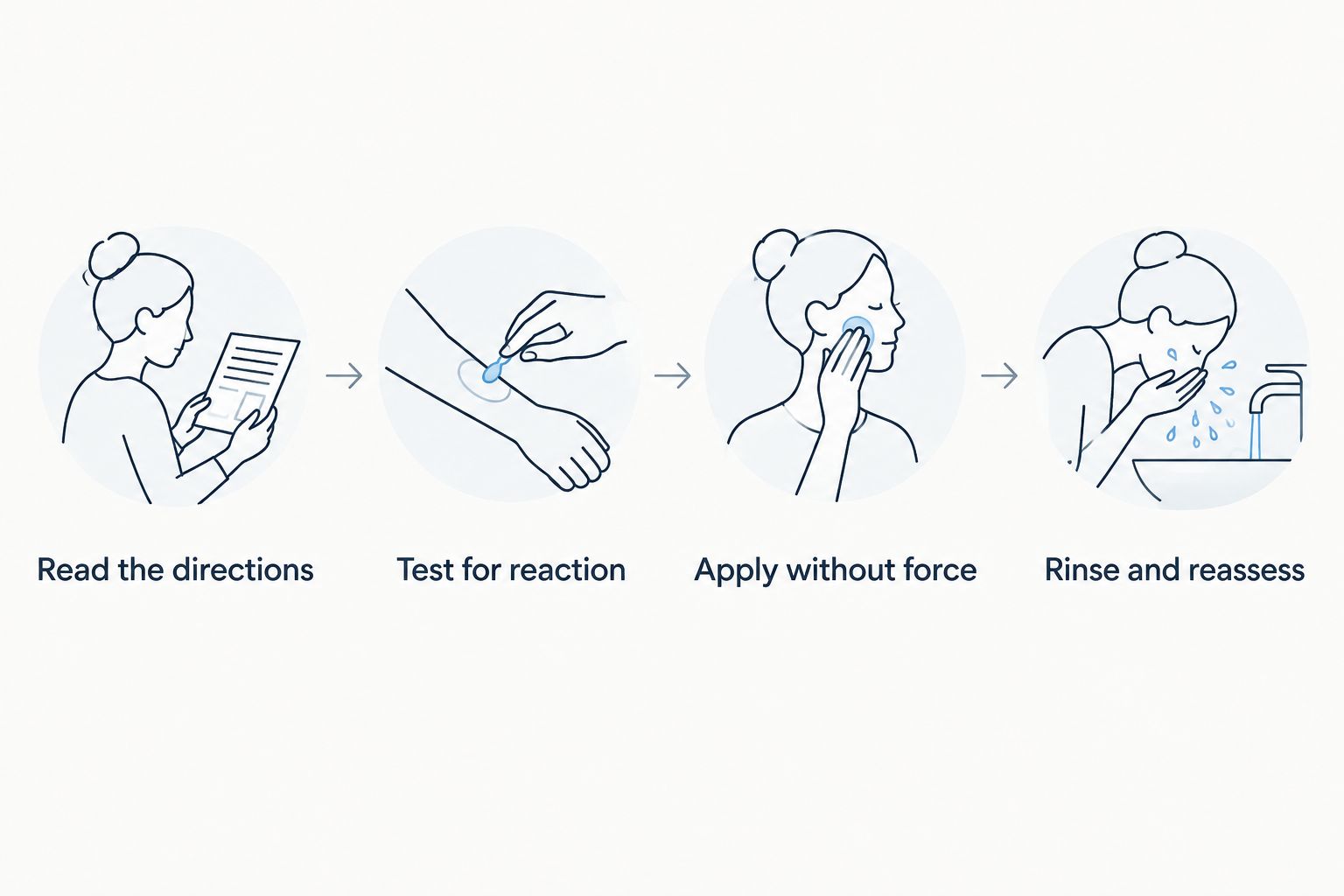
How should you try a scalp oil safely?
Start with the label, not a social-media overnight challenge. The American Academy of Dermatology’s guidance on testing new skin-care products provides a useful safety framework, but a home test cannot guarantee that a product will never cause a reaction.
1. Read the directions
Check whether the product is intended for the scalp, the lengths, or both. Look for contact-time instructions, washing directions, and warnings. If overnight use is not addressed, ask the manufacturer rather than assuming an oil is suitable for sleeping in.
2. Test for a reaction
The American Academy of Dermatology advises testing a new skin-care product on a small area for 7–10 days, applying it 2 times per day. Its guidance also says to follow the product’s normal contact time, including washing off rinse-out products as directed.
That is a general skin-product test, not a recommendation to oil your whole scalp twice daily. Do not test on broken or inflamed skin, and seek professional advice if you have a known ingredient allergy or an active scalp condition.
3. Apply without force
Use the amount and method the label specifies. Gentle application is enough; vigorous rubbing, scratching, or pulling is not required to distribute oil. Avoid tight styling that places tension on the hair while you sleep.
4. Rinse and reassess
Follow the removal instructions and assess your scalp after washing. Look for comfort, redness, itching, bumps, and residue—not just shine. Stop using a product that causes a reaction instead of increasing washing or adding another treatment to counter it.
Can overnight scalp oil cause bumps or itching?
Overnight scalp oil can contribute to problems when the formula irritates your skin or an oily hair product triggers breakouts. The American Academy of Dermatology’s guidance on hair-product acne describes bumps along the hairline and forehead associated with oil-containing products.
Itching does not prove that an oil is working. The American Academy of Dermatology also identifies itching and rash as possible signs of contact dermatitis. Stop the suspected product and rinse it off; persistent or worsening symptoms need medical assessment.
See the guide to whether hair oil can cause scalp acne or breakouts for the distinction between a cosmetic routine and symptoms that need attention. Do not diagnose every scalp bump as acne yourself.
Does leaving oil on longer improve hair growth?
Longer contact does not establish better hair growth. An ingredient study, a traditional use, and a finished-product trial answer different questions. None should be presented as interchangeable evidence.
For example, Rele and Mohile’s 2003 study in the Journal of Cosmetic Science examined coconut oil, mineral oil, and sunflower oil in relation to hair damage and protein loss. It supports a discussion about hair-fibre protection under the study conditions—not a claim that nightly scalp oiling regrows a receding hairline.
For a 2026 buying decision, ask what an advertised result actually measures. Reduced protein loss, easier combing, fewer broken strands, and new growth from follicles are different outcomes. A cosmetic improvement should not be relabelled as treatment of medical hair loss.
What if your scalp is flaky or your hair is thinning?
Persistent flaking deserves a diagnosis rather than an automatic overnight oil treatment. The American Academy of Dermatology’s dandruff guidance discusses dandruff shampoos and their labelled use; ordinary cosmetic oil is not interchangeable with those treatments.
Increasing shedding, a widening part, distinct bald patches, or a receding hairline also warrants assessment. A dermatologist can distinguish possible causes and discuss appropriate treatment. Waiting for an oiling routine to fix every form of thinning delays that decision.
Seek care promptly for pain, pus, spreading redness, or pronounced inflammation. Do not keep applying an irritating product because you expect a temporary adjustment period.
Where a traditional botanical oil fits
Asian Treasures hair oil suits shoppers seeking traditional botanical cosmetic care, not a substitute for medical hair-loss treatment. Nuskha-e-Khaas hair oil belongs in that cosmetic-care discussion; its traditional botanical blend is a distinguishing feature, not proof of effectiveness.
The benefit of this positioning is a clear purpose: a hair-care ritual rather than a promised cure. The limitation is equally important—tradition does not establish that the finished product regrows hair, treats dandruff, or is suitable for overnight use on every scalp.
If you are shopping in Pakistan in 2026, check the current ingredient list and application directions before choosing any hair oil. Country of purchase does not change the need to match the product to your scalp and distinguish breakage from shedding.
FAQ
Can I leave scalp oil in overnight every night in 2026?
Do not make overnight scalp oiling every night your default routine. Follow the specific product’s directions, and stop if you develop itching, burning, redness, or bumps; longer contact does not establish better hair growth.
Is overnight oiling better than oiling before washing?
Overnight oiling is not established as universally better than a shorter pre-wash application. Choose a method the product permits, and judge scalp comfort separately from how soft your hair feels.
How long should I test a new oil before using it widely?
The American Academy of Dermatology advises testing a new skin-care product on a small area for 7–10 days, with 2 applications per day. Follow the product’s normal contact and rinse-off directions; this is not an instruction to oil your whole scalp twice daily.
Does an itchy scalp mean the hair oil is working?
An itchy scalp is not evidence that a hair oil is working. Itching can signal irritation or another scalp problem, so stop the suspected product and seek advice if symptoms persist.
Can oil reduce breakage without stopping hair shedding?
A product can help the condition of hair strands without treating the cause of shedding. Breakage involves the hair fibre, while shedding releases hair from its follicle; improvement in one does not prove improvement in the other.
Should I use Asian Treasures hair oil instead of hair-loss treatment?
Asian Treasures hair oil should not replace assessment or treatment for medical hair loss. Treat botanical hair care as cosmetic support and seek a diagnosis for persistent shedding, bald patches, or a receding hairline.
One last thing
Before your next application, finish this sentence: I am using this oil to help with… If your answer is dry-feeling lengths, focus on those lengths according to the label. If your answer is unexplained thinning, make diagnosis—not a longer overnight application—the next step.