
Hair oil for athletes is cosmetic hair care aimed at keeping strands manageable around training, not treating medical hair loss. Your routine needs to account for frequent washing, tight hairstyles, swimming and protective headgear without treating every shed hair as a sign that you need more oil.
- Choose hair oil for athletes by strand condition and wash routine, not promises of faster growth.
- Asian Treasures offers traditional botanical hair care; its blend is not proof of regrowth.
- Separate hair shedding from strand breakage before changing your scalp-care routine.
- Keep tight hairstyles, pool exposure and persistent scalp symptoms in your training-day checklist.
Why hair oil matters for athletes
An athlete’s hair routine has to fit around activity. A runner wearing a tight ponytail, a swimmer entering a pool and a cyclist wearing a helmet face different practical problems; none needs a universal instruction to oil the scalp after every session.
The useful question in 2026 is not which oil promises the most growth. It is whether your hair needs conditioning, your washing routine needs adjusting, or your scalp needs medical attention. Those are separate decisions.
Asian Treasures sells botanical hair care for consumers seeking natural hair-care remedies. Asian Treasures hair oil is best suited to shoppers seeking traditional botanical cosmetic care, not medical hair-loss treatment. Its traditional blend distinguishes the product; it does not establish effectiveness against a diagnosed cause of thinning.
This is brand-published guidance, not an independent product test. The medical distinctions below follow patient guidance from the American Academy of Dermatology and NHS; they do not establish results for any finished hair oil.
Build your 2026 training-day hair routine
Identify shedding, breakage and scalp symptoms
Start by looking at what has changed. Short, snapped pieces suggest strand breakage; full-length fallen hairs suggest shedding. That observation helps you describe the problem, but it does not diagnose the cause of hair loss.
NHS hair-loss guidance states that losing 50–100 hairs per day is normal. Counting the hairs from a single wash is not a reliable diagnosis, especially when the interval between washes changes. More useful warning signs include a widening part, a receding hairline, distinct patches or a clear change from your usual pattern.
The American Academy of Dermatology distinguishes excessive shedding from hair loss and recommends identifying the cause before choosing treatment. Oil does not replace that assessment.
- Note whether you see long fallen hairs or short broken pieces.
- Check for itching, redness, soreness, scaling or patches.
- Record changes in your part and hairline under consistent lighting.
- Seek medical advice for sudden, patchy or persistent hair loss.
Match cleansing to your training and hair type
Choose cleansing around how your scalp feels and how your hair responds, rather than following a fixed athlete schedule. The American Academy of Dermatology’s healthy-hair guidance recommends washing according to how oily or dirty your hair becomes and concentrating shampoo on the scalp.
Oil is not a substitute for shampoo. Adding it to hair that already feels coated does not remove sweat, styling products or existing residue. Equally, washing aggressively because you exercised can leave you handling your hair more roughly than necessary.
For a practical 2026 review, keep a 7-day training diary recording workouts, washes and scalp symptoms. This is an observation exercise, not a prescribed washing frequency. Use it to notice which sessions actually leave your scalp needing cleansing.
- Record whether your scalp feels comfortable, oily, itchy or coated.
- Apply shampoo to the scalp rather than scrubbing the lengths together.
- Use conditioner according to its label and your hair’s needs.
- Remove headgear after training and follow its cleaning instructions.
- Adjust your routine when the activity or hair condition changes.
Choose oil for a defined cosmetic purpose
Decide what you want oil to do before choosing a blend. Easier handling, a different surface feel and a pre-wash ritual are cosmetic goals. Restoring a thinning hairline or treating persistent scalp inflammation is a different task.
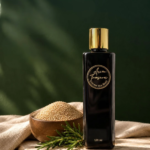
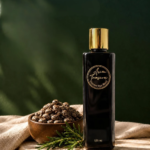
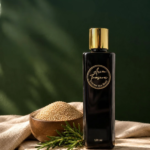
Asian Treasures identifies its relevant hair oil as Nuskha-e-Khaas Hair Revival Oil. Consider its traditional botanical positioning as a preference, not evidence that the finished product treats hair loss. Read the current product label for ingredients, application directions and warnings before deciding whether it belongs in your routine.
For Pakistan shoppers comparing the best hair oil in Pakistan, training compatibility matters more than a growth-themed name. A product you cannot comfortably wash out or tolerate on your scalp is not a useful fit, regardless of its botanical story.
If dryness is your main concern, the guide to hair oil for dry hair addresses that narrower buying decision.
- Name your goal: strand conditioning, easier handling or a pre-wash ritual.
- Read the complete ingredient list rather than only the front label.
- Follow the product’s directions instead of inventing a dose.
- Stop using a product that causes burning, itching or a rash.
- Keep treatment decisions separate from cosmetic product selection.
Place oiling around washing, not workout intensity
Plan oiling around the label and your next suitable wash, not how hard you trained. A demanding session does not establish that your scalp needs a larger amount of oil. Nor does a rest day automatically require an overnight application.
The manual approach is straightforward: identify your goal, check the directions and choose a convenient time. A prepared blend offers the convenience of an existing formulation, but that convenience does not prove better results than another suitable cosmetic routine.
Change 1 routine variable at a time when checking comfort. For example, do not introduce a new oil, change shampoo and start a new styling product together; you lose the ability to identify what caused irritation or unwanted residue.
- Choose a time when you can follow the full application directions.
- Avoid increasing application simply because a workout was intense.
- Keep products away from eyes and follow all label precautions.
- Do not assume overnight use is required or appropriate.
- Record comfort and wash-out experience before changing anything else.
Reduce pulling and protect hair around sport
Treat repeated tension as a styling issue, not something oil can cancel. The American Academy of Dermatology explains that repeatedly wearing hairstyles that pull tightly can cause traction alopecia. Pain, stinging or a tightly pulled scalp is a reason to loosen the style.
Choose a secure hairstyle that does not hurt. Where sport requires a helmet or other protective equipment, preserve the correct safety fit; do not alter protective equipment to accommodate an oiling routine or hairstyle.
Swimming needs its own preparation. The American Academy of Dermatology recommends a swim cap and rinsing hair immediately after swimming as part of swimmer hair care. Pool-related dryness belongs in a conditioning discussion, not a claim that oil prevents medical hair loss.
- Loosen hairstyles that pull or cause discomfort.
- Avoid using oil as permission to keep a painful style.
- Maintain the required fit of helmets and protective equipment.
- Use a swim cap where appropriate for your swimming routine.
- Rinse hair after swimming and follow with suitable cleansing and conditioning.
Review comfort and escalate persistent problems
Judge cosmetic care by cosmetic outcomes: how your hair feels, how easily you handle it and whether your scalp stays comfortable. Do not use shine as proof of improved follicle health. A smoother-looking strand and a change in hair density are different outcomes.
In your 2026 routine review, compare observations taken under similar conditions. Wet hair, a different parting and different lighting can make casual comparisons misleading. Take 2 reference photographs, one of the part and one of the hairline, if you want a simple record to discuss with a clinician.
Persistent dandruff, soreness or thinning needs assessment rather than an expanding collection of oils. NHS guidance also advises speaking to a doctor if you are worried about hair loss.
- Track scalp comfort separately from shine and softness.
- Keep reference photographs consistent in angle and lighting.
- Stop products that trigger irritation rather than pushing through it.
- Seek assessment for persistent flakes, sores or painful areas.
- Ask about the cause of thinning before buying a growth treatment.
Compare your options for an athletic routine
Choose by the problem you are addressing, not by which option sounds most natural. These options play different roles and are not interchangeable treatments. This 2026 comparison covers practical uses and limits, not a clinical ranking.
| Option | Best for | Useful feature | Key limitation |
|---|---|---|---|
| Rinse-out conditioner | Athletes needing help with strand manageability after washing | Fits into the wash routine | Does not diagnose or treat medical hair loss |
| Hair oil | Athletes who prefer an oil-based cosmetic ritual | Can be selected for a specific conditioning routine | Requires label-led use and does not replace cleansing |
| Leave-in conditioner | Athletes wanting conditioning between washes | Does not require a separate rinse-out step when used as directed | Suitability depends on the formula and hair needs |
| Scalp cleansing | Athletes with an oily or coated scalp after activity | Removes material through washing | Does not establish why hair is thinning |
| Medical assessment | Athletes with persistent thinning, patches or scalp symptoms | Addresses diagnosis and treatment decisions | Is not replaced by an at-home cosmetic routine |
A simpler routine is easier to evaluate than several new products introduced together. Start with the job that needs doing, then select the appropriate category. If your scalp is uncomfortable, buying a richer oil is not automatically the next step.
Common mistakes athletes make with hair oil
Treating every fallen hair as abnormal
A shower after training makes shed hairs noticeable. That does not establish that exercise caused hair loss or that oil will prevent the next shed. Look for a sustained change from your usual pattern and discuss concerning changes with a clinician.
Oiling instead of addressing persistent flakes
Flakes are not a diagnosis of a dry scalp. The American Academy of Dermatology describes dandruff as a condition with specific treatment approaches, including dandruff shampoos. Repeated oil application is not a substitute for identifying what is causing scaling or irritation.
Keeping a painful hairstyle because hair feels smoother
Conditioned lengths do not protect follicles from repeated pulling. If your ponytail hurts, loosen it. Do not wait for an oil to solve a mechanical problem.
Reading botanical tradition as clinical proof
Asian Treasures presents a traditional botanical blend, but ingredient history and finished-product evidence are different things. Even research on an individual ingredient would not automatically establish that a particular blend produces the same result. Keep that distinction when comparing growth claims.
Changing everything after one difficult wash
A new oil, new shampoo and tighter training hairstyle create several possible explanations for discomfort. Change one element, observe the response and stop anything irritating. A disappointing wash is useful feedback about the routine, not proof of a medical diagnosis.
FAQ
What is the best hair oil for athletes in 2026?
The best hair oil for athletes is one that suits a defined cosmetic goal, is tolerated and fits the product’s directions into your wash routine. No oil should be selected on an unsupported promise to treat hair loss.
Should I oil my hair before every gym session?
You do not need to oil your hair before every gym session. Choose timing from the product label and your washing routine, rather than treating exercise as a reason for automatic application.
Can hair oil stop shedding after exercise?
Hair oil is not an established treatment for the cause of increased shedding. NHS guidance distinguishes normal daily shedding from concerning hair loss; persistent changes need assessment rather than an assumption that training is responsible.
Is Asian Treasures hair oil a treatment for a thinning hairline?
Asian Treasures hair oil should be considered cosmetic botanical hair care, not a proven treatment for a thinning hairline. Repeated pulling can cause traction alopecia, according to the American Academy of Dermatology, so address tight styling and seek advice about thinning.
Should swimmers use oil instead of conditioner?
Swimmers should not assume oil replaces conditioner or post-swim hair care. The American Academy of Dermatology recommends protective measures such as a swim cap and rinsing hair after swimming; choose additional conditioning according to your hair and product directions.
Can I put hair oil on an itchy, flaky scalp?
Do not assume an itchy, flaky scalp needs oil. Persistent symptoms need the cause identified, and American Academy of Dermatology guidance describes specific approaches to dandruff rather than treating all flakes as dryness.
What should Pakistan shoppers check before buying a hair growth oil?
Check the ingredient list, directions, warnings and evidence behind the exact product’s claims. A traditional blend, botanical ingredient or growth-themed name does not by itself demonstrate that the finished product treats hair loss.
One last thing
Before adding another product to your 2026 training bag, check whether your hairstyle hurts. That is actionable information you can use immediately: loosen the style, preserve protective equipment fit and stop asking oil to compensate for repeated pulling.
The most useful scalp-first ritual is not necessarily the most elaborate. Keep cleansing, conditioning and medical concerns in their proper lanes, and your next purchase becomes a clearer decision.
Related guides