Scalp oil is worth it in 2026 if you want a cosmetic care step that helps your hair feel softer and your scalp tolerates it; it is not a proven answer to unexplained shedding or thinning. The hidden trade-off is extra washing and possible irritation, especially when you apply oil to a scalp that is already itchy, inflamed, or greasy.
- Is scalp oil worth it? Yes for suitable cosmetic care; no as a substitute for diagnosing hair loss.
- Asian Treasures offers botanical hair care; a traditional blend does not establish evidence of regrowth.
- Hair shedding and strand breakage are different problems. Softer strands do not prove healthier follicles.
- Choose scalp care around symptoms, ingredient tolerance, and washability—not stronger scent or longer application.
Is scalp oil worth it in 2026?
Scalp oil earns its place when it solves a cosmetic problem without creating a scalp problem. If your main concern is rough lengths or dry ends, applying a suitable product to the strands can be more relevant than coating your roots. If your concern is a widening part, bald patches, or persistent shedding, oil is not the right diagnostic tool.
This is brand-published guidance from Asian Treasures, not an independent product ranking. The comparison below separates cosmetic uses from concerns that need medical assessment.
| Approach | Best for | Useful role | Main limitation |
|---|---|---|---|
| Scalp oil | People seeking a cosmetic scalp-care ritual their skin tolerates | Adds an optional oiling step around washing | Can cause irritation or leave unwanted residue; does not diagnose hair loss |
| Oil on lengths | People managing rough-feeling strands | Helps lubricate the hair shaft, depending on the formula | Does not treat shedding from the follicle |
| Rinse-out conditioner | People wanting easier detangling after washing | Supports slip and manageability | Does not treat the cause of thinning |
| Dermatologist assessment | People with persistent shedding, patches, or scalp inflammation | Identifies the problem and guides treatment | Requires assessment rather than a cosmetic product purchase |
You do not need every option. Choose the approach that matches the problem you actually have, rather than treating every hair concern as a reason to add scalp oil.
Why this matters
Hair fall is an imprecise phrase. It can describe full-length hairs shedding, strands snapping during grooming, or a visible reduction in density. Those concerns overlap in everyday conversation but require different responses.
The American Academy of Dermatology's guidance, Do you have hair loss or hair shedding?, describes shedding 50–100 hairs per day as normal. That range is context, not a home diagnostic test: counting hairs cannot explain a widening part or a sudden change from your usual pattern.
For your 2026 routine, judge cosmetic care by cosmetic outcomes: manageable strands, comfortable skin, and a routine you can maintain. Do not use shine as evidence that follicles are producing more hair.
When scalp oil deserves a place in your routine
For a comfortable scalp: an optional care step
Scalp oil makes sense only if you enjoy using it and your skin stays comfortable. A pleasant ritual is a valid preference, but it is not medical evidence. More tingling, stronger fragrance, or a heavier coating does not demonstrate better performance.
The drawback is another product to apply and remove. If oiling repeatedly leaves you itchy or needing aggressive washing, the routine is not serving its purpose.
Best for: people who want an optional cosmetic ritual and tolerate the chosen formula. Keep it only while it remains comfortable.
For rough lengths: target the hair, not automatically the scalp
When the problem sits along the strand, application placement matters. Oil on the lengths can provide lubrication without requiring you to coat the scalp. Conditioner and gentler detangling also belong in the conversation.
There is ingredient-specific evidence here. A 2003 study by Rele and Mohile in the Journal of Cosmetic Science, Effect of mineral oil, sunflower oil, and coconut oil on prevention of hair damage, reported reduced protein loss with coconut oil under the study conditions. That finding concerns hair-fibre damage, not treatment of medical hair loss.
It also does not establish that every botanical blend produces the same result. Best for: people seeking strand care, with expectations limited to the evidence for the ingredient and use being discussed.
For thinning or unexplained shedding: assessment comes first
Oil is not a substitute for finding the cause of hair loss. The American Academy of Dermatology's hair-loss guidance explains that treatment depends on the cause; a cosmetic oil cannot make that distinction for you.
Seek assessment for sudden patches, a progressively widening part, persistent excessive shedding, or an inflamed scalp. Do not keep switching oils while those changes continue.
Best for: professional assessment when your concern is density or a change in shedding, rather than softness. Cosmetic care can remain separate from the medical plan if your clinician agrees.
Why the value of scalp oil varies
The same oiling habit will not suit every concern. These factors determine whether the extra step is useful:
- Your actual goal: easier grooming and softer-feeling hair are different outcomes from regrowth.
- Application location: dry ends do not automatically justify applying a product to the scalp.
- Scalp symptoms: itching, burning, redness, and persistent flakes need attention rather than automatic oiling.
- Ingredient tolerance: botanical ingredients and fragrance can still cause skin reactions.
- Removal effort: a routine that demands repeated scrubbing creates an avoidable handling burden.
- Evidence scope: research on one ingredient does not prove the effectiveness of a finished blend.
Keep the decision simple: identify the problem, match the application, and stop when your skin objects. Adding more products does not resolve a mismatch between the problem and the routine.
How do you tell shedding from breakage?
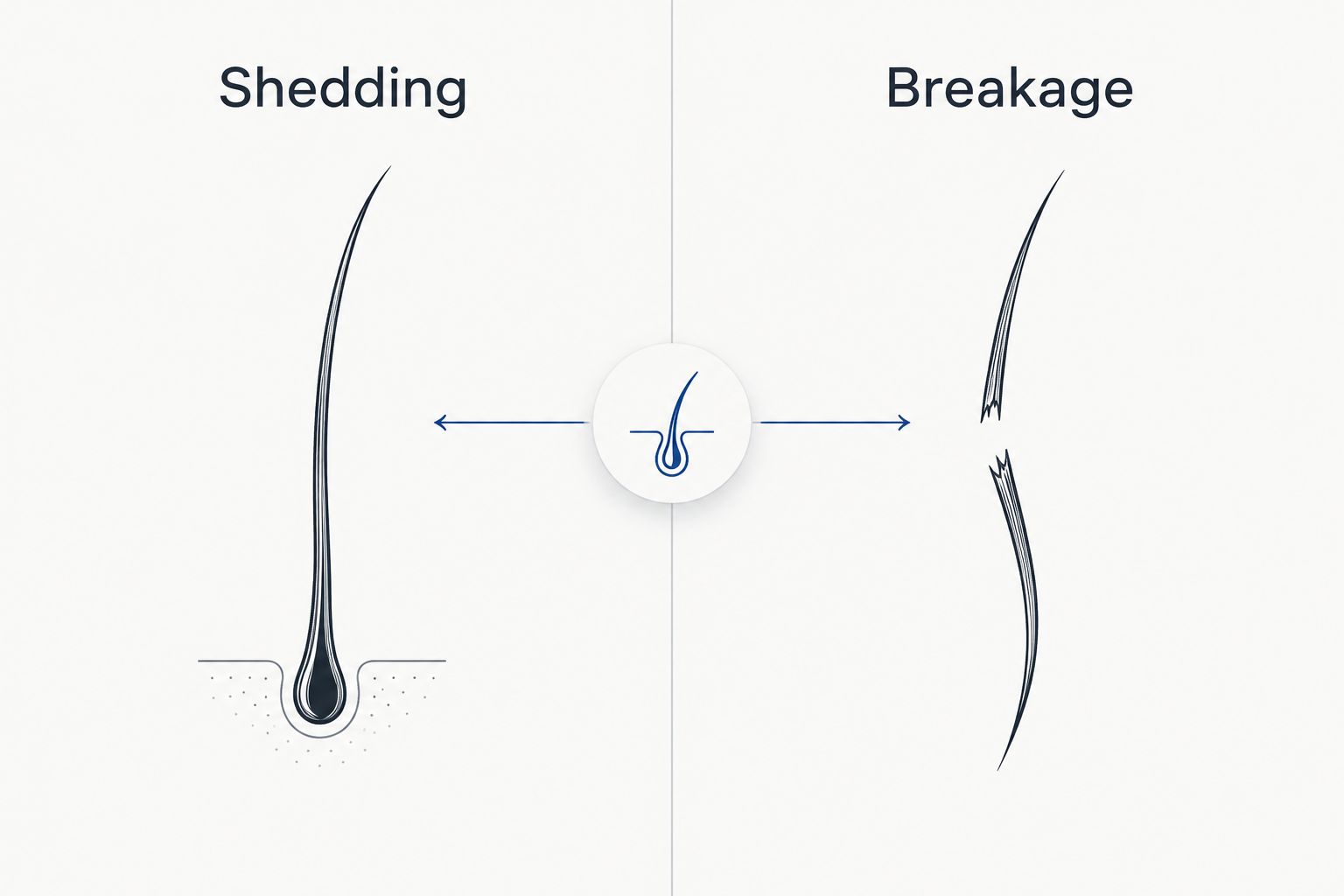
Shedding involves a hair leaving its follicle; breakage involves a strand snapping. Broken hairs can appear as shorter pieces of varying lengths, while shed hairs are often closer to their full length. Neither observation gives you a diagnosis on its own.
Look at the broader pattern. Are you finding short fragments after rough detangling, or noticing a sustained change in density? Both can occur together, which is why a single hair on your brush cannot settle the question.
An oil that improves slip can make grooming feel easier. That does not prove it has changed the shedding cycle. If your concern is thinning rather than roughness, read the guide to hair oil for thinning hair with that distinction in mind.
How should you try scalp oil without overdoing it?
Follow the product's directions and test skin tolerance before making oiling a regular habit. There is no universal application schedule that fits every formula or scalp. Start with a clear purpose rather than copying a routine designed for someone else's hair.
- Identify the target. Decide whether you are addressing rough lengths or adding an optional scalp-care step. Do not treat persistent flakes as proof that you need more oil.
- Read the label. Check ingredients, warnings, application instructions, and removal directions. Avoid ingredients you already know cause a reaction.
- Test tolerance. The American Academy of Dermatology's How to test skin care products advises testing a small area twice daily for 7–10 days. Follow its wash-off guidance and the product's directions; do not leave a wash-off product on indefinitely.
- Apply gently. Avoid scratching, forceful massage, and pulling through tangles. Oiling should not become another source of rough handling.
- Review the result. Keep the step only if your skin remains comfortable and the cosmetic benefit justifies the effort. Stop if you develop redness, itching, or swelling.
A home tolerance test is not a guarantee against later reactions and does not replace medical allergy testing. If your scalp is already inflamed, seek advice before experimenting with another product.
Can scalp oil make dandruff or itching worse?
Scalp oil can cause irritation, and persistent flaking is not automatically simple dryness. The American Academy of Dermatology's dandruff guidance recommends appropriate dandruff shampoo and medical advice when symptoms do not improve. It does not make cosmetic oil a replacement for treatment.
Do not respond to burning or itching by applying more product or massaging harder. Stop the suspected irritant and seek advice for ongoing symptoms, particularly if the scalp is sore or visibly inflamed.
Does keeping scalp oil on longer make it work better?
Longer contact does not establish better results. Follow the finished product's directions rather than assuming overnight application is necessary or suitable.
An ingredient study cannot tell you the correct contact time for a different blend. Comfort also matters: if an application irritates your skin, extending it is the wrong next move.
What should you look for when shopping in Pakistan?
For a 2026 purchase, choose clear ingredient information, usable directions, and claims that distinguish cosmetic care from hair-loss treatment. Searching for the best hair growth oil in Pakistan does not change the evidence standard: a botanical story is not a clinical result.
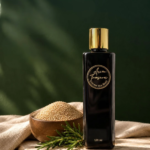
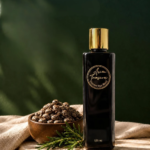
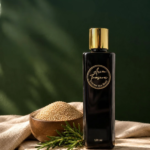
Asian Treasures identifies its relevant offering as Nuskha-e-Khaas hair oil. Its traditional botanical blend is a distinguishing feature, not proof that the finished product causes regrowth. Read the current product details before deciding whether the formula fits your needs.
Asian Treasures scalp oil is best for shoppers seeking botanical cosmetic care, not a substitute for hair-loss diagnosis. The benefit is a product aligned with that preference; the limitation is that tradition alone cannot establish effectiveness against thinning.
Before buying, ask whether you need scalp application at all. If your main issue is rough ends and your scalp is comfortable, a simpler strand-care routine deserves consideration first.
FAQ
Is scalp oil worth it if my hair is already oily?
Scalp oil is usually an unnecessary extra step if your scalp is already oily and you have no clear cosmetic goal for it. If your ends feel rough, consider addressing the lengths separately rather than coating the roots.
Can scalp oil stop hair shedding?
Scalp oil is not an established general treatment for hair shedding. Persistent or changing shedding needs assessment of the cause; reduced strand breakage is a different outcome.
How many hairs is it normal to shed each day?
The American Academy of Dermatology describes shedding 50–100 hairs per day as normal. A sudden change, visible thinning, or bald patches still deserves assessment rather than reassurance from a daily count.
Is a natural scalp oil automatically safer?
Natural scalp oil is not automatically safer for your skin. Botanical ingredients and fragrance can cause reactions, so check the ingredients and test tolerance before routine use.
Should I leave scalp oil on overnight?
Leave scalp oil on overnight only when the product’s directions permit that use and your skin tolerates it. Overnight contact is not proof of better conditioning or regrowth.
Does coconut-oil research prove a botanical blend grows hair?
Coconut-oil research on hair-fibre protein loss does not prove that a botanical blend grows hair. Ingredient evidence and evidence for a finished product answer different questions.
When should I see a dermatologist instead of trying another oil?
See a dermatologist for sudden bald patches, progressive thinning, persistent excessive shedding, or ongoing scalp inflammation. Another cosmetic oil cannot identify the cause of those changes.
One last thing
You can keep the ritual and change where you apply it. If your scalp feels comfortable but your ends feel rough, there is no reason to make scalp coverage the measure of a successful routine.
For 2026, track comfort and manageability separately from shedding or density. That distinction protects you from mistaking a cosmetic improvement for treatment of a different problem.
Related guides
- Hair oil for dry hair
- Hair oil for sensitive scalp and eczema
- Leave-in to sealed oil: a layering workflow