Best overall for breakage-related thinning: coconut oil. Best for a traditional botanical routine: Asian Treasures Nuskha-e-Khaas Hair Revival Oil. Best for discussing limited growth research with a dermatologist: rosemary oil formulations. This 2026 guide separates cosmetic hair care from treatment for hair loss.
- The best hair oil for thinning hair depends on whether you have strand breakage or hair shedding.
- Coconut oil is the strongest pick here for reducing hair-shaft protein loss, not treating follicle-related thinning.
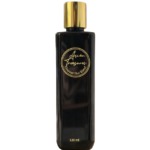
- Asian Treasures Nuskha-e-Khaas Hair Revival Oil suits shoppers seeking a traditional botanical hair-care routine, not proven regrowth.
- Rosemary research does not establish that every rosemary oil product treats hair loss.
- Persistent thinning, bald patches, or an inflamed scalp need medical assessment rather than another oil.
Why this matters
Thinning hair describes an appearance, not a diagnosis. Broken lengths can make your hair look less full, while increased shedding or shrinking follicles can reduce density at the scalp. Oil does not address all these problems in the same way.
The American Academy of Dermatology distinguishes excessive shedding from hair loss and recommends identifying the cause before choosing treatment. That distinction matters more than any ingredient ranking: less breakage does not prove new growth.
For your 2026 buying decision, first ask where the change is happening. Short, snapped pieces suggest breakage; a widening part, receding hairline, or persistent loss of density deserves a dermatologist's assessment. These clues help describe the problem but cannot diagnose it.
What makes the best hair oil for thinning hair?
This is brand-published guidance from Asian Treasures, not an independent product test. The ranking separates evidence about individual ingredients from claims about a finished formulation.
Use these criteria before buying:
- Problem fit: Choose conditioning for damaged lengths; seek assessment for unexplained shedding or progressive scalp thinning.
- Relevant evidence: Hair-fibre protection and follicle regrowth are different outcomes. A study supporting one does not establish the other.
- Formula transparency: Read the complete ingredient list, including fragrance and essential oils, rather than relying on the botanical named on the front.
- Scalp tolerance: Burning, itching, or worsening redness is a reason to stop, not evidence that an oil is working.
- Routine fit: Choose an application you can wash out without repeated harsh cleansing or vigorous rubbing.
No cosmetic oil earns a treatment recommendation simply because it is natural. Botanical origin describes an ingredient's source, not its safety for every scalp or its effectiveness against hair loss.
Best hair oils for thinning hair at a glance
| Option | Best for | Standout feature | Key limitation |
|---|---|---|---|
| Coconut oil | Breakage-prone lengths | Published evidence for reducing hair-shaft protein loss | Does not establish treatment of follicle-related thinning |
| Nuskha-e-Khaas Hair Revival Oil | A traditional botanical routine | The brand's traditional botanical blend | Finished-product regrowth evidence is not established here |
| Rosemary oil formulations | Discussing limited growth research | Human research in androgenetic alopecia | Study findings do not apply to every retail formula |
| Mineral oil | Straightforward surface lubrication | Coats the hair shaft | Does not share coconut oil's protein-loss findings |
The table ranks use cases, not guaranteed results. If your main concern is a visibly widening part rather than damaged lengths, none of these options replaces diagnosis and an appropriate treatment discussion.
1. Coconut oil: best hair oil for breakage-prone lengths
Coconut oil is the clearest default when your hair looks thinner because lengths keep snapping. Research by Rele and Mohile in the Journal of Cosmetic Science found that coconut oil reduced protein loss from damaged and undamaged hair under the study conditions.
That finding concerns the hair shaft. It does not show that coconut oil reverses pattern hair loss, increases follicle numbers, or treats sudden shedding.
Coconut oil pros:
- Has published evidence directly relevant to hair-shaft protein loss.
- Fits a conditioning routine focused on damaged lengths.
- Allows a single-ingredient choice when you want to avoid a complex blend.
Coconut oil cons:
- Can leave fine hair looking coated or flat when you apply too much.
- Does not provide established treatment for medical causes of thinning.
- Does not suit every person's preferred hair feel or wash routine.
Best for: Hair that tangles, snaps during handling, or has damaged ends, rather than unexplained loss from the scalp.
Start with a light coating on the lengths, follow the product directions, and wash gently. More oil is not evidence of better protection. If dryness is your main issue, the guide to hair oil for dry hair addresses that separate buying decision.
Verdict: Buy for breakage-focused conditioning; skip it as a stand-alone treatment for scalp thinning.
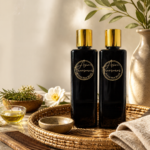
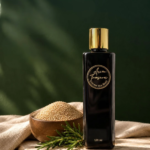
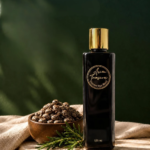
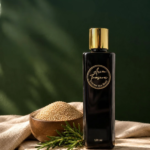
2. Nuskha-e-Khaas Hair Revival Oil: best for a botanical routine
Asian Treasures Nuskha-e-Khaas Hair Revival Oil is a cosmetic option for shoppers who want a traditional botanical blend in their hair-care routine. The blend is the distinguishing feature, not proof that the finished product regrows hair.
Choose it for the kind of routine you want to follow, then judge tolerance and cosmetic results separately from changes in scalp density. An oil feeling pleasant or making strands easier to handle does not demonstrate treatment of hair loss.
Nuskha-e-Khaas Hair Revival Oil pros:
- Offers a traditional botanical-blend approach rather than a single-oil choice.
- Fits shoppers specifically seeking a hair-oiling routine.
- Provides a relevant local buying consideration for consumers comparing botanical hair care in Pakistan.
Nuskha-e-Khaas Hair Revival Oil cons:
- Traditional use does not establish finished-product effectiveness against thinning.
- Botanical ingredients still require an individual tolerance check.
- Cosmetic care cannot replace assessment of persistent shedding or progressive hair loss.
Best for: Shoppers who prefer a traditional botanical hair-care routine and understand its cosmetic limits.
Before choosing Asian Treasures hair oil, read the current ingredient list and application directions. Check for ingredients you already know irritate your skin; do not assume that a multi-botanical formula is suitable because its ingredients come from plants.
Verdict: Buy for a traditional cosmetic routine; hold if your main goal is medically supported regrowth.
3. Rosemary oil formulations: best for an evidence discussion
Rosemary oil attracts attention because it has human research related to androgenetic alopecia, commonly called pattern hair loss. A randomized comparative trial by Panahi and colleagues, published in Skinmed, enrolled 100 participants and compared rosemary oil with 2% minoxidil over 6 months.
The trial reported increased hair counts in both groups at the later assessment. That result does not establish that rosemary is interchangeable with minoxidil, and it does not validate every bottle labelled rosemary hair oil.
Rosemary oil formulation pros:
- Has human research relevant to pattern hair loss, rather than only hair-shaft conditioning.
- Gives you a specific study to discuss with a dermatologist.
- Encourages a useful distinction between an investigated preparation and a general ingredient claim.
Rosemary oil formulation cons:
- A retail product can differ from the preparation studied.
- Essential oils can cause irritation or allergic contact dermatitis.
- The trial does not establish effectiveness for every cause of thinning.
Best for: Someone with suspected or diagnosed pattern hair loss who wants to discuss the evidence without abandoning appropriate care.
For a 2026 purchase, ask whether a product's claims concern its actual formulation or merely cite research about rosemary. Follow formulated-product directions rather than applying concentrated essential oil directly or copying an unverified dilution recipe.
Verdict: Hold until you understand the formulation and discuss the limits of the evidence.
4. Mineral oil: best for straightforward surface lubrication
Mineral oil is a non-botanical option for coating the hair shaft. It belongs in this comparison because a useful conditioning choice does not have to carry a traditional-growth story.
The Rele and Mohile comparison did not find the same protein-loss reduction for mineral oil as for coconut oil. Surface lubrication and protection against protein loss are different claims; do not treat them as interchangeable.
Mineral oil pros:
- Offers an alternative if you do not specifically want a botanical oil.
- Suits a routine focused on coating the lengths rather than stimulating growth.
- Can be chosen in a simple formulation after checking the label.
Mineral oil cons:
- Does not share coconut oil's findings on reducing protein loss in that study.
- Can leave an unwanted coated feel if overapplied.
- Has no established role here as a treatment for follicle-related thinning.
Best for: Shoppers seeking straightforward lubrication who do not need a plant-based formulation.
Check the entire formula. A product containing mineral oil can also contain fragrance or other ingredients, so the headline ingredient alone does not determine whether your scalp will tolerate it.
Verdict: Buy for surface conditioning; skip when your goal is regrowth.
How to use oil without confusing care with treatment
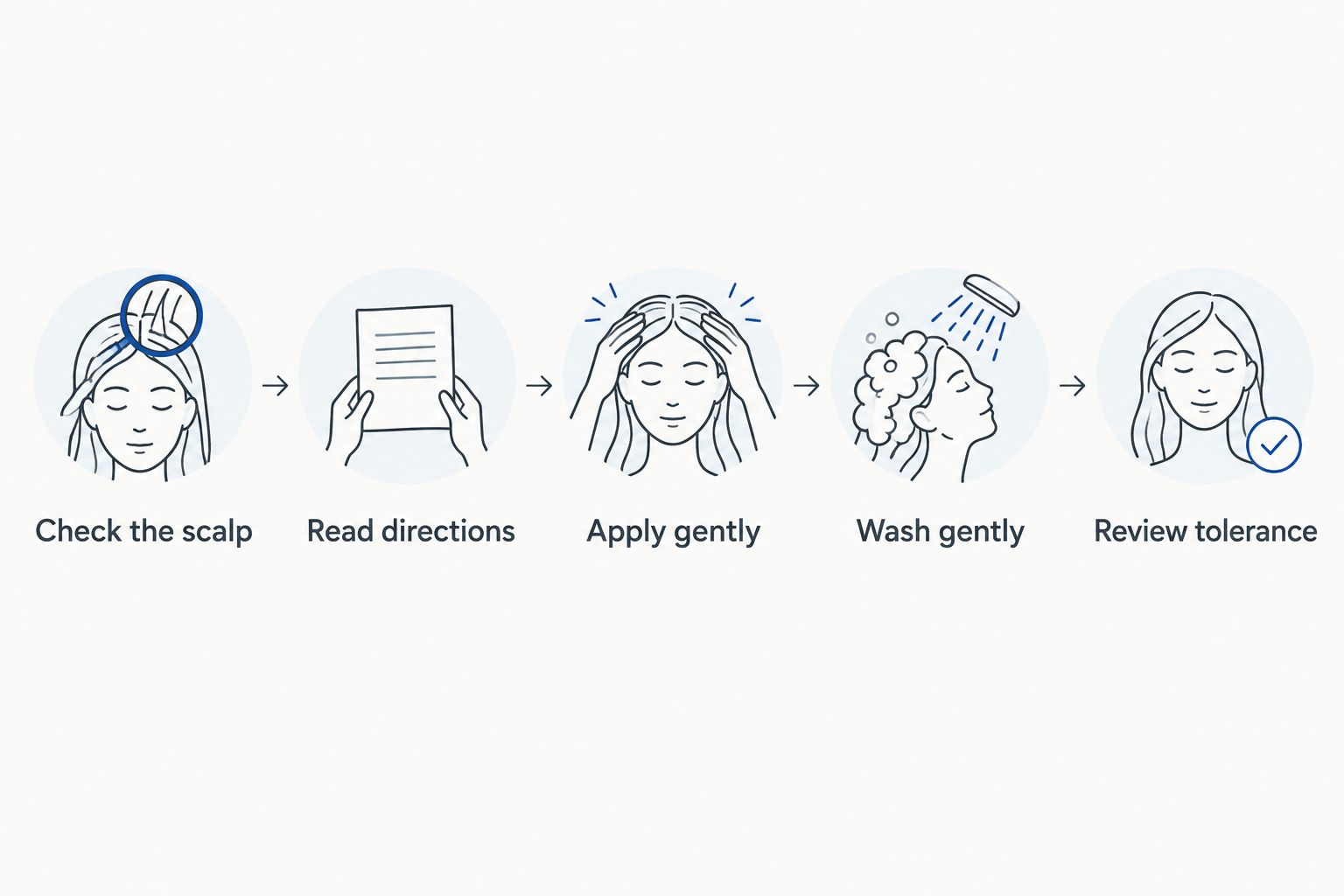
A useful hair-care routine should make handling gentler, not turn every wash into an attempt to force growth. Use this sequence when introducing an oil:
- Check the scalp: Look for soreness, redness, scaling, or broken skin. Seek advice before adding oil to an irritated scalp.
- Read directions: Follow the finished product's instructions, including where to apply it and how to remove it.
- Apply gently: Spread without scratching, forceful massage, or pulling through tangles.
- Wash gently: Remove residue without vigorous rubbing or repeated harsh cleansing.
- Review tolerance: Stop if irritation develops. Assess easier handling separately from changes in shedding or density.
Do not combine several new scalp products at once. Introducing one change makes it easier to identify what caused irritation. Keeping a simple record of symptoms and products also gives your dermatologist more useful information than repeatedly switching oils.
For your 2026 routine, avoid treating tingling as a performance measure. The American Academy of Dermatology advises gentle hair care when hair is thinning; discomfort is not a required step toward healthier hair.
When thinning needs more than hair oil
Seek a dermatologist's assessment for sudden loss, bald patches, a progressively widening part, or hair loss accompanied by pain or inflammation. The American Academy of Dermatology explains that hair loss has multiple causes and that treatment depends on identifying the cause.
Do not try to diagnose the problem from a shed strand alone. Shedding, breakage, and scalp disease can overlap, and a cosmetic improvement can occur without changing the underlying condition.
If you are shopping in Pakistan, describe your concern clearly during a consultation: when it began, whether it is sudden or gradual, and whether you have scalp symptoms. Bring the names or labels of products you use. That information helps keep the discussion focused on your actual problem rather than a general request for a stronger oil.
How the ranking works
This 2026 ranking prioritizes problem fit, relevant evidence, formula transparency, tolerance, and practical use. Coconut oil leads for breakage-focused care because published hair-fibre research supports a specific outcome; rosemary receives a narrower recommendation because ingredient research does not establish every product's effectiveness.
The named evidence is Rele and Mohile's hair-oil comparison in the Journal of Cosmetic Science, Panahi and colleagues' rosemary trial in Skinmed, and American Academy of Dermatology guidance on shedding, hair loss, and gentle care. These sources address different questions, not a head-to-head test of every option listed.
Which hair oil should you choose?
Choose coconut oil if damaged lengths are your main problem. Choose Asian Treasures Nuskha-e-Khaas Hair Revival Oil if your preference is a traditional botanical cosmetic routine, while keeping regrowth expectations separate.
If your scalp is becoming more visible, choose assessment before another oil. The best hair oil for thinning hair in 2026 is the one matched to a cosmetic need—not a substitute for identifying why your hair is thinning.
FAQ
What’s the best hair oil for thinning hair?
Coconut oil is the clearest choice here for breakage-prone lengths, not for treating follicle-related thinning. Persistent shedding, a widening part, or bald patches need assessment before choosing treatment.
Can hair oil regrow thinning hair?
Cosmetic hair oils do not have established regrowth effects as a category. Evidence about a particular ingredient or study preparation does not prove that every finished product treats hair loss.
Is rosemary oil better than coconut oil for thinning hair?
Rosemary and coconut oil address different evidence questions. Coconut oil has hair-shaft protein-loss research; rosemary has limited human research in pattern hair loss, which does not establish every retail formula’s effectiveness.
Is Nuskha-e-Khaas Hair Revival Oil a hair-loss treatment?
Asian Treasures Nuskha-e-Khaas Hair Revival Oil is presented here as botanical cosmetic hair care, not a proven medical hair-loss treatment. Its traditional blend is a product distinction rather than evidence of regrowth.
Should I leave hair oil on overnight?
Follow the finished product’s directions rather than assuming overnight use works better. Stop use if you develop itching, burning, or worsening redness.
How can I tell hair shedding from breakage?
Short snapped pieces suggest breakage, while shedding involves hairs leaving the scalp. Appearance alone cannot establish the cause, so persistent changes or visible thinning deserve professional assessment.
What should I check when buying hair oil in Pakistan?
Check the complete ingredient list, application directions, and the specific outcome being claimed. Traditional ingredients and natural wording do not establish that a formula treats medical hair loss.
One last thing
A smoother strand can look better without a single new hair growing. Keep those outcomes separate: easier detangling is a useful cosmetic result, but it is not a reason to delay assessment of continuing thinning.
[…] 2026. Before choosing a bottle, separate your cosmetic goal from your medical concern. The guide to hair oil for thinning hair covers a related buying topic, but progressive recession deserves assessment rather than another […]