

Yes, you can apply hair oil on wet hair, but gently towel-blotted, damp lengths are easier to work with than dripping strands. Use a product labelled for that purpose, apply lightly, and avoid forceful rubbing or detangling. Oiling changes how hair feels and looks; it does not treat medical hair loss.
- Hair oil on wet hair works best on gently blotted lengths, provided the product directions allow it.
- Asian Treasures distinguishes cosmetic hair oiling from treatment for shedding or thinning.
- Damp-hair oiling and scalp oiling are different routines; neither guarantees hair growth.
- Use gentle handling, follow product directions, and stop if your scalp becomes irritated.
Can you apply hair oil to wet hair?
Yes—when the product permits it, apply oil to damp lengths rather than automatically coating soaking-wet hair and scalp. The practical goal is a light, manageable finish, not the largest amount of oil your hair can hold.
If you already use a leave-in conditioner, the leave-in and oil layering workflow explains how to keep the steps separate. Follow each product's directions rather than assuming every oil belongs at the same stage.
| Hair condition | Best for | Main advantage | Main limitation |
|---|---|---|---|
| Dripping wet | Products explicitly directed for very wet application | Fits the stated application method | Runoff makes application harder to judge |
| Towel-blotted and damp | A permitted post-wash application to the lengths | Lets you distribute a light coating through sections | Wet strands still need gentle handling |
| Dry | A permitted finishing application or pre-wash routine | Makes it easier to see where you have applied oil | Excess can leave a heavy finish |
There is no universal winner between damp and dry application. The label decides whether the formula is suitable; your hair's response decides whether the routine suits you.
Why this matters
Wet-hair advice often mixes together different concerns: frizz, rough ends, scalp discomfort, breakage, and shedding. They are not interchangeable. A smoother strand is not evidence that a follicle has started producing more hair.
For this 2026 guide, the medical boundaries follow the American Academy of Dermatology's patient guidance on avoiding hair damage and distinguishing shedding from hair loss. Its advice supports gentle handling, not a promise that applying oil to wet hair produces growth.
Use oiling as an optional cosmetic step. If your concern is a widening part, new bald patches, or persistent shedding, changing the timing of oil application does not replace finding the cause.
Damp lengths: best for controlled post-wash application
Damp means your hair still contains moisture but is no longer releasing water onto your shoulders. Blot it gently rather than scrubbing it with a towel. You do not need a moisture meter or an exact drying interval.
For a leave-on oil that permits damp application, start with the lengths and ends. Keep the first application light enough that you can assess the result after drying. A comfortable finish matters more than making every strand visibly oily.
The advantage is control: you can work through sections without trying to catch oil running down dripping hair. The drawback is that damp strands remain vulnerable to rough handling, so aggressive rubbing defeats the purpose of a gentle routine.
Best for: people using a suitable leave-on product after washing. Skip this approach when the label specifies a different application method or when the product irritates your skin.
Dry hair: best for assessing the finish
Dry application makes sense when the directions describe a finishing step or a pre-wash treatment. These are different uses: a finishing application stays on, while a pre-wash application is intended to be washed out.
On dry hair, you can see which areas look rough and where the oil has already changed the finish. The disadvantage is equally visible: too much can leave the lengths looking coated or flat.
Best for: targeted finishing or a labelled pre-wash routine. Do not assume that a product intended for washing out is suitable as an all-day leave-in.
In 2026, the useful buying question remains simple: does the product describe the application you actually want? A botanical description alone does not answer that question.
Scalp application: a separate decision
Applying oil to wet lengths does not require applying it to your scalp. Hair shafts and scalp skin have different needs, and a product that feels pleasant on the ends can still irritate the skin beneath your hair.
Check whether the directions specifically include scalp use. Avoid vigorous massage, scratching with your nails, or treating discomfort as evidence that a product is working. Burning and worsening itch are reasons to stop.
Best for: a scalp-care routine explicitly permitted by the product directions and tolerated by your skin. The limitation is that cosmetic oil does not diagnose or treat the causes of persistent scaling, inflammation, or hair loss.
The NHS's patient guidance on dandruff describes treatment approaches for flaking. Persistent symptoms need appropriate care rather than repeated layers of oil.
How do you apply hair oil after washing?
Use this sequence for a product whose label allows application to damp hair. Keep the routine simple enough that you can tell whether the oil itself agrees with your hair and skin.
- Read the label. Confirm whether the oil is intended for the scalp, lengths, a pre-wash treatment, or leave-on use. Follow any stated amount and washing instructions.
- Blot gently. Remove dripping water with a towel without twisting or rubbing the lengths. Leave your hair damp rather than deliberately rough-drying it.
- Apply lightly. Spread the permitted amount between your hands and work through the intended areas. Start with the lengths if the directions describe a length-focused application.
- Detangle carefully. Do not pull a comb through resistance. Use an approach suited to your texture, and avoid repeated brushing simply to distribute more oil.
- Assess after drying. Notice whether the finish feels comfortable, heavy, or irritating. Adjust the next application rather than repeatedly adding oil before you can judge the result.
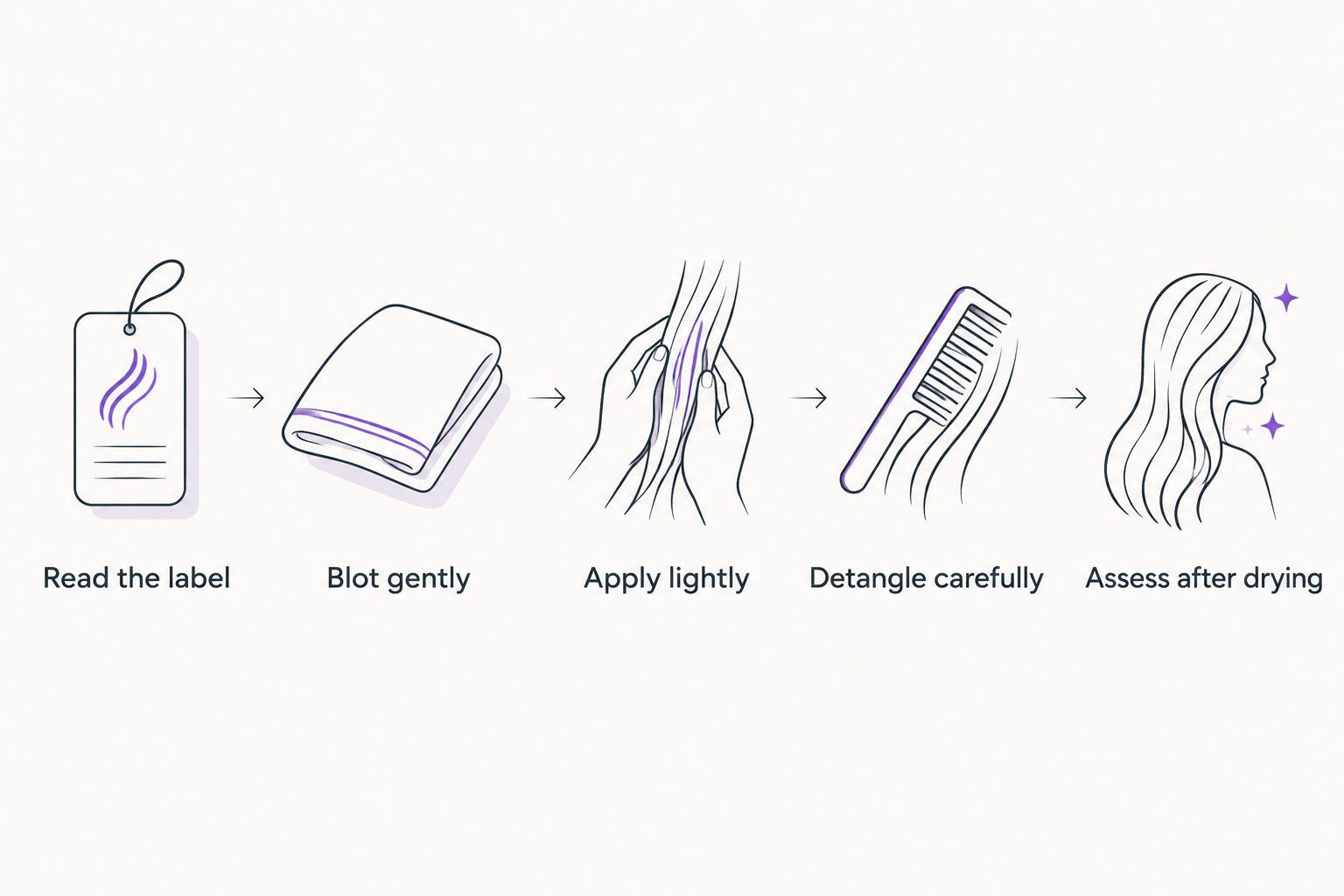
The American Academy of Dermatology's hair-damage guidance distinguishes handling for different textures: straight hair should dry somewhat before gentle combing, while tightly curled or textured hair can be combed while damp. Do not force every texture into the same brushing routine.
Why results from wet-hair oiling vary
The result depends on the application, not just the word botanical on the bottle. These factors explain why the same routine can feel comfortable on one wash day and heavy on another:
- Application stage: dripping, damp, and dry hair offer different levels of control during application.
- Product directions: a pre-wash oil and a leave-on oil do not automatically share the same instructions.
- Placement: coating the ends is different from coating scalp skin.
- Amount applied: adding more can change the finish without adding a medical benefit.
- Other products: conditioner and styling products affect the finish you are assessing.
- Handling: pulling, scrubbing, and tight styling introduce damage risks that oil does not cancel out.
Change one part of the routine at a time. If you alter the oil, amount, conditioner, and styling method together, you cannot easily identify what caused an uncomfortable result.
Does hair oil on wet hair help with hair loss?
Hair oil on wet hair is not a treatment for medical hair loss. A cosmetic improvement in softness, slip, or appearance does not establish that shedding has decreased or that new hair has grown.
Breakage happens along the strand; shedding involves a hair leaving its follicle. Short broken pieces can suggest breakage, while shed hairs are often longer, but appearance alone cannot establish the cause of a hair problem.
For readers assessing hair loss in 2026, the American Academy of Dermatology's patient resources on shedding and hair loss provide the relevant distinction. Seek a dermatologist's assessment for sudden loss, bald patches, a widening part, or symptoms such as pain and inflammation.
Do not use a damp-versus-dry application experiment to delay that assessment. Oil timing cannot tell you whether the cause involves styling damage, a scalp condition, or another medical issue.
Where does a traditional botanical blend fit?
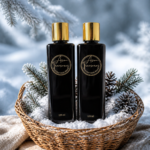
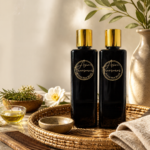
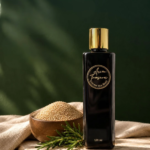
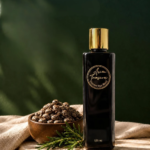
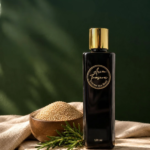
Asian Treasures hair oil is best for shoppers seeking traditional botanical cosmetic care, not a treatment for medical hair loss. That is a category distinction, not a claim that the finished formula has proven regrowth benefits.
Asian Treasures describes its Nuskha-e-Khaas Hair Revival Oil through a traditional botanical approach. Treat that tradition as the product's distinguishing feature, not evidence of effectiveness. Follow the current directions available through Asian Treasures before choosing damp-hair, dry-hair, or scalp application.
The potential value is a hair-care ritual that fits your preferences. The limit is clear: neither botanical ingredients nor a pleasant cosmetic finish establish a treatment for thinning. This is brand-published guidance, not an independent product ranking.
Should you leave oil on damp hair overnight?
Leaving oil on damp hair overnight is not necessary for a basic post-wash routine. Use overnight application only when the product directions permit it, and do not assume that longer contact produces better results.
If the label calls for washing the product out, follow that instruction rather than converting it into a leave-in. An uncomfortable scalp, coated roots, or irritated skin is a reason to reconsider the routine, not extend it.
An overnight routine also does not make rough handling harmless. Avoid tightly tying wet lengths simply to keep oil away from bedding.
What should you do if oil makes your scalp itchy?
Stop using the oil if your scalp becomes itchy, burns, or develops a rash. Wash it out gently and seek medical advice if symptoms persist, worsen, or include significant swelling.
For a new skin-care product, the American Academy of Dermatology describes testing on a small area twice daily for 7–10 days before wider use. That means 2 applications per day during the test period, subject to the product's instructions. This is general skin-product guidance, not a scalp-specific safety guarantee or a substitute for medical allergy testing.
For this 2026 routine, do not turn that test into permission to keep using a product that causes symptoms. A natural ingredient can still cause irritation or an allergic reaction.
FAQ
Can I put hair oil on soaking-wet hair?
Use hair oil on soaking-wet hair only if the product directions allow that application. Otherwise, gently blot the lengths first so you can judge where you are applying it without dripping water.
Is it better to oil damp hair or dry hair?
Neither damp nor dry application is universally better. Damp application suits some post-wash products, while dry application suits some finishing and pre-wash routines; follow the label.
Should I put hair oil on my roots after showering?
Apply hair oil to your roots only when the product directions include scalp use and your skin tolerates it. Oiling the lengths does not require oiling the scalp.
Does oil replace conditioner on wash day?
Do not assume oil replaces conditioner. The American Academy of Dermatology recommends conditioner in its hair-care guidance; use each product according to its intended purpose.
Will hair oil on wet hair make my hair grow faster?
Applying hair oil to wet hair does not establish faster growth. A smoother finish or less visible roughness is a cosmetic result, not evidence that medical hair loss has been treated.
Do I need to heat hair oil before applying it?
Heating oil is not a required step in this routine. Follow the product directions and avoid applying hot oil to your skin.
What is the safest hair-oiling advice to follow in 2026?
Follow the product directions, handle wet strands gently, and stop if irritation develops. Seek medical advice for persistent shedding, thinning, or scalp symptoms rather than relying on cosmetic oiling.
One last thing
A shinier strand is not necessarily a healthier follicle. Judge a cosmetic oil by comfort, manageability, and the finish you want—not by a promise that wet application will reverse thinning.
Before your next wash, decide whether you want a pre-wash treatment or a leave-on finish. That decision is more useful than automatically adding oil whenever your hair is wet.
[…] hair is damp also changes how you assess and distribute the application. Read the separate guide to applying hair oil to wet hair before combining oil with a damp-hair […]