
Best overall starting point: argan oil for sparing use on dry ends. Best pre-wash option: coconut oil. Best for a traditional botanical routine: Asian Treasures, provided the product directions suit your needs. The best hair oil for fine hair in 2026 is one you can apply lightly and remove easily—not one that promises thicker growth.
- The best hair oil for fine hair depends on application: try argan on ends or coconut before washing.
- Asian Treasures suits shoppers seeking a traditional botanical routine; that preference is not evidence of hair regrowth.
- Fine hair needs controlled application. Start with one drop on the ends, not an all-over scalp coating.
- Hair oils can condition strands, but persistent shedding or widening parts need medical assessment.
Why this matters
Fine hair describes the diameter of individual strands. Thinning hair describes reduced density; you can have either condition without the other. Choosing an oil for softness is a different decision from seeking treatment for hair loss.
Oil can also make fine strands gather together, changing how full your hair looks. A glossy finish is not automatically a useful finish if your roots look flat afterward. For your 2026 routine, judge an oil by the result after washing and styling, not by how rich it feels in your palm.
If roughness is your main concern, the guide to hair oil for dry hair addresses that separate buying need. Here, the priority is conditioning without an unnecessarily heavy coating.
What makes the best hair oil for fine hair?
Use these criteria before choosing an ingredient or blend:
- Dose control: You need to dispense a small amount without flooding your hands or hair.
- Application fit: An oil used before shampoo serves a different purpose from a finishing oil left on dry ends.
- Manageable residue: Your normal wash routine should remove the application without repeated, aggressive scrubbing.
- Ingredient transparency: Read the complete ingredient list. A named botanical on the front does not describe the whole formula.
- Scalp tolerance: An acceptable finish means little if the product causes itching or irritation.
- Evidence boundaries: Evidence about an ingredient does not establish that a finished blend treats hair loss.
Choose the application method first, then the oil. No ingredient name guarantees a light finish across every formulation, dose, and hair routine.
Fine-hair oil options at a glance
These are use-case recommendations, not results from a head-to-head product trial. This is brand-published guidance from Asian Treasures; the brand's botanical blend is included transparently, without a claim that it outperforms the other options.
| Option | Best for | Standout feature | Key limitation |
|---|---|---|---|
| Argan oil | A small finishing application on dry ends | A straightforward option for targeted surface conditioning | Too much can leave fine hair looking coated |
| Coconut oil | Pre-wash care for damage-prone lengths | Published research supports reduced hair protein loss under studied conditions | That evidence does not establish hair regrowth |
| Mineral oil | Surface lubrication without a botanical preference | A non-botanical conditioning option | It did not show coconut oil's protein-loss benefit in the cited comparison |
| Jojoba oil | A small-area conditioning trial | An alternative for readers who prefer a botanical oil | No fine-hair growth claim is established here |
| Nuskha-e-Khaas Hair Revival Oil | A traditional botanical hair-oiling routine | Asian Treasures' botanical positioning | Suitability for fine hair cannot be inferred from the product name |
1. Argan oil: best hair oil for fine hair with dry ends
Argan oil is the default starting point in this guide for a small finishing application, not an all-over treatment. Place it on the ends where you want conditioning, keeping it away from roots that already look oily.
The recommendation is about controlled use, not proof that argan oil is the lightest oil or produces thicker hair. A finished argan-based product can contain other ingredients that change its feel, so compare the full formula rather than the front label alone.
Argan oil pros:
- Suits a targeted application rather than a full scalp coating.
- Lets you judge the cosmetic result on dry ends immediately.
- Provides a botanical option without requiring an overnight routine.
Argan oil cons:
- Excess application can flatten the appearance of fine hair.
- A product labelled with argan oil is not necessarily pure argan oil.
Best for: Fine hair with dry-looking ends and roots that do not need more oil.
Start with 1 drop spread across your palms, then touch only the ends. This is a conservative trial amount, not a universal dose; hair length and formulation change what works.
Verdict: Buy for targeted finishing, not for a hair-growth promise.
2. Coconut oil: best hair oil for fine hair before shampoo
Coconut oil earns its place for pre-wash care rather than as the default leave-in choice. Applying it before shampoo lets you assess conditioning after removing the excess.
Rele and Mohile's paper, Effect of mineral oil, sunflower oil, and coconut oil on prevention of hair damage, published in the Journal of Cosmetic Science, reported reduced protein loss with coconut oil under the studied conditions. That is evidence about hair-fibre damage—not treatment of follicle-related hair loss, and not proof for every coconut-containing blend.
Coconut oil pros:
- Has published evidence relevant to hair protein loss.
- Fits a wash-day routine rather than requiring daily application.
- Can be kept on lengths instead of automatically coating the scalp.
Coconut oil cons:
- Residue can be undesirable on fine hair.
- Ingredient research does not prove that a finished product grows hair.
Best for: Damage-prone lengths when you prefer to wash the oil out.
Use a modest application according to product directions and assess the result after 1 wash. If your hair remains coated, reduce the amount rather than compensating with harder scrubbing.
Verdict: Buy for pre-wash strand care; skip it as a substitute for hair-loss treatment.
3. Mineral oil: best for a non-botanical conditioning option
Mineral oil belongs in this comparison because a useful cosmetic choice does not have to be botanical. It provides surface lubrication, making it an option when your goal is strand conditioning rather than a traditional plant-oil ritual.
The Rele and Mohile comparison did not find the same protein-loss reduction for mineral oil that it found for coconut oil. Surface conditioning and protection against protein loss are different outcomes; do not treat them as interchangeable claims.
Mineral oil pros:
- Offers a non-botanical alternative.
- Fits a surface-conditioning goal without a regrowth claim.
- Can be evaluated through a small, targeted application.
Mineral oil cons:
- Does not match a preference for plant-only ingredients.
- Does not share coconut oil's protein-loss finding in the cited study.
Best for: Readers who want surface lubrication and do not require a botanical ingredient.
Choose a product labelled for cosmetic use and follow its directions. Review the whole formula for fragrance or other ingredients you already know your skin dislikes; the base oil alone does not describe the finished product.
Verdict: Buy for a defined conditioning need, not because “natural” or “synthetic” settles the decision.
4. Jojoba oil: best for a small-area botanical trial
Jojoba oil is another option for readers who want botanical conditioning but do not want to commit immediately to a full oiling routine. Try it on a small section of dry ends and compare the feel after your usual styling.
Do not choose jojoba because a seller says it automatically “balances” every scalp. That broad promise does not establish how your scalp will respond, and it does not demonstrate that jojoba treats thinning hair.
Jojoba oil pros:
- Fits a preference for a botanical oil.
- Can be trialled on ends without an all-over application.
- Offers another conditioning choice if your current oil leaves an unwanted finish.
Jojoba oil cons:
- Individual tolerance and residue still need checking.
- Its inclusion here does not establish a hair-growth benefit.
Best for: Readers willing to judge a botanical oil through a controlled, small-area trial.
Keep the rest of your routine unchanged for 2 applications before deciding whether you like the finish. This is a practical comparison method, not a clinical test or a safety guarantee.
Verdict: Hold until you have checked the ingredient list and tested a small application.
5. Nuskha-e-Khaas Hair Revival Oil: best for botanical ritual
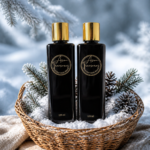
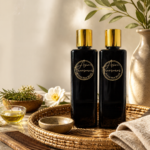
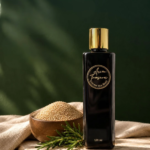
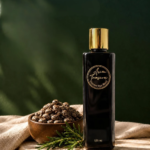
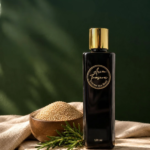
Asian Treasures offers Nuskha-e-Khaas Hair Revival Oil within its botanical hair-care approach. Its traditional botanical blend is the distinguishing feature here—not evidence that the finished product reverses thinning or suits every fine-haired shopper.
Asian Treasures is best for shoppers who prefer a traditional botanical hair-oiling routine, not a proven hair-regrowth treatment. For fine hair, the decision still depends on the complete ingredient list, directions, tolerance, and the finish after washing.
Nuskha-e-Khaas Hair Revival Oil pros:
- Matches a preference for traditional botanical hair care.
- Provides a named option for shoppers considering a hair-oiling ritual.
- Can be considered for cosmetic care without treating tradition as clinical proof.
Nuskha-e-Khaas Hair Revival Oil cons:
- No finished-product clinical results are established in this guide.
- The product name does not establish texture, washability, or fine-hair suitability.
Best for: Shoppers choosing a botanical ritual who will check the product details before buying.
Do not assume “Hair Revival” means medically demonstrated regrowth. If your concern is density rather than dry strands, read the guide to hair growth oil with that distinction in mind.
Verdict: Hold until the current product details match your fine-hair routine.
How these options were ranked
This 2026 ranking prioritizes application control, manageable residue, ingredient transparency, scalp tolerance, and evidence relevant to the intended use. Argan takes the default finishing slot; coconut takes the pre-wash slot because of the named hair-fibre research.
The remaining options serve different preferences rather than occupying a universal quality ladder. No direct comparative testing establishes a single winner for every fine-haired reader. The botanical blend is included for its positioning, not given an automatic first-place ranking because this guide is brand-published.
How to try an oil without coating your roots
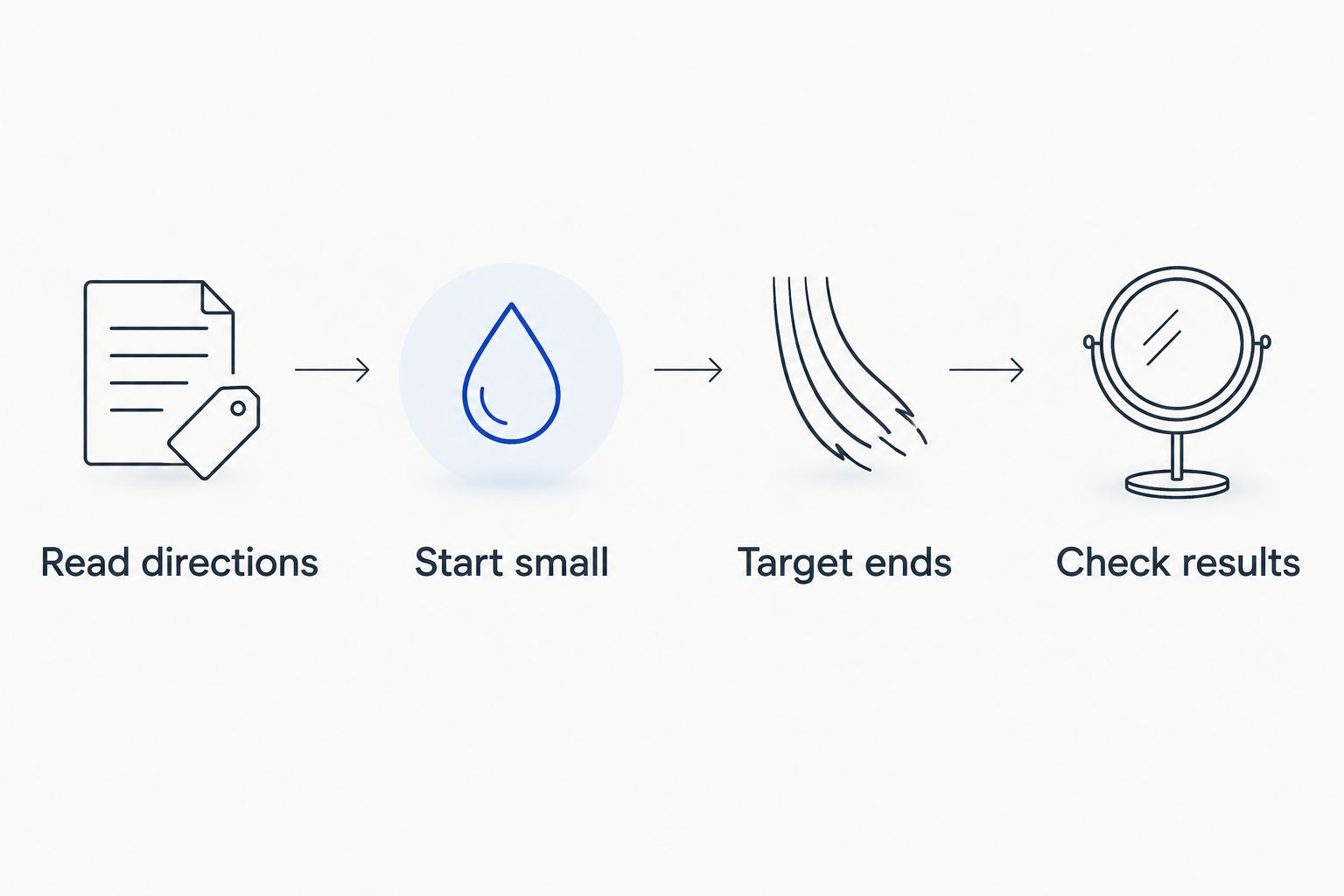
Keep your first trial deliberately simple. Changing the oil, shampoo, conditioner, and styling routine together makes it harder to identify what produced the result.
- Read directions: Check the ingredient list and whether the product is intended for leave-in or rinse-out use.
- Start small: Use a minimal application rather than copying a full-scalp ritual intended for someone else.
- Target ends: Begin where you want conditioning; scalp application is not automatically necessary.
- Check results: Assess softness, residue, tangling, and scalp comfort after your normal routine.
Stop using a product that causes irritation. The American Academy of Dermatology's guidance, How to test skin care products, explains why checking skin tolerance matters before wider use; a familiar plant ingredient is not a guarantee against a reaction.
Breakage and shedding need different next steps
Broken strands and hair released from follicles are not the same problem. The American Academy of Dermatology's guidance, Do you have hair loss or hair shedding?, distinguishes shedding from other forms of hair loss and explains the role of professional assessment.
Conditioning can help you manage strand care. It does not establish treatment for a widening part, bald patches, or persistent shedding. In 2026, the useful rule remains simple: match cosmetic care to the hair shaft, and seek medical advice for unexplained density changes.
Avoid forceful massage or repeated oiling as a response to worsening symptoms. Seek assessment for persistent scalp discomfort, sudden patches, or ongoing loss rather than escalating a cosmetic routine.
Which hair oil should you choose?
Choose argan oil first if your goal is a small finishing application on dry ends. Choose coconut oil if you want a pre-wash option with published evidence about protein loss. Neither recommendation means the oil treats medical hair loss.
For a 2026 purchase in Pakistan, prioritize the complete label and usable directions over a “growth” claim. Choose a botanical blend because its ingredients and routine fit your preferences—not because tradition guarantees results.
FAQ
What’s the best hair oil for fine hair?
Argan oil is this guide’s default starting point for a small finishing application on dry ends. Coconut oil is the pre-wash choice; neither is established here as a treatment for medical hair loss.
Is coconut oil too heavy for fine hair?
Coconut oil can leave an unwanted coating when you apply more than your routine removes. Try a modest pre-wash application according to the product directions and judge the result after shampooing.
Should I put oil on my scalp or just the ends?
Start on the ends when your goal is strand conditioning rather than scalp care. A scalp application is not automatically necessary, especially when your roots already look oily.
Can hair oil make fine hair grow thicker?
This guide does not establish that any listed oil makes fine hair grow thicker. Hair-fibre conditioning and reduced breakage are different from treating follicle-related hair loss.
Is Asian Treasures Hair Revival Oil suitable for fine hair?
Fine-hair suitability cannot be confirmed from the product name or botanical positioning alone. Check Nuskha-e-Khaas Hair Revival Oil’s complete ingredient list and current directions, then assess a small application.
How often should I oil fine hair?
There is no single schedule that fits every formulation and routine. Follow the product directions and adjust according to residue, scalp comfort, and the result after washing.
Does a natural hair oil mean it won’t irritate my scalp?
No, botanical ingredients can still cause irritation or allergic reactions. Follow skin-tolerance guidance and stop using a product that causes a reaction.
One last thing
A useful hair oil does not have to touch your scalp. If your roots feel comfortable and only your ends need conditioning, keep the application there. Expanding a successful small application into a heavier ritual is not automatically an improvement.