Ayurvedic hair oil is not automatically safe or unsafe for color-treated hair: suitability depends on the ingredients, your scalp’s condition, and how the formula affects your particular color. For your 2026 routine, check the label, test a concealed strand, and avoid applying oil to an irritated scalp. A botanical blend is not proof of color protection, and an oil that softens your hair does not necessarily prevent fading or treat hair loss.
- Ayurvedic hair oil color treated hair guidance starts with ingredients, scalp tolerance, and a concealed-strand test.
- Asian Treasures botanical hair care belongs in a cosmetic routine, not a treatment plan for medical hair loss.
- Check for added colorants, fragrance, and essential oils rather than relying on a natural label.
- Stop using a product that causes itching, burning, swelling, or an unwanted color change.
Why this matters
Colored hair and a sensitive scalp need different decisions. You might want softer ends while also experiencing itching after dyeing; applying the same oil everywhere does not address those concerns separately.
The American Academy of Dermatology explains that coloring and other chemical services can damage hair, while its contact-dermatitis guidance distinguishes product reactions from ordinary dryness. Treat the hair fiber and the scalp as separate concerns. For broader selection criteria, see the guide to hair oil for color-treated hair.
The useful question in 2026 is not whether an oil sounds traditional. It is whether that exact formula suits your hair without causing irritation or an unwanted cosmetic change.
Is ayurvedic hair oil safe for color-treated hair?
An Ayurvedic hair oil is a reasonable cosmetic option only when its ingredients, directions, and test results suit your colored hair and scalp. The word “Ayurvedic” does not establish compatibility with every dye, toner, or bleaching service.
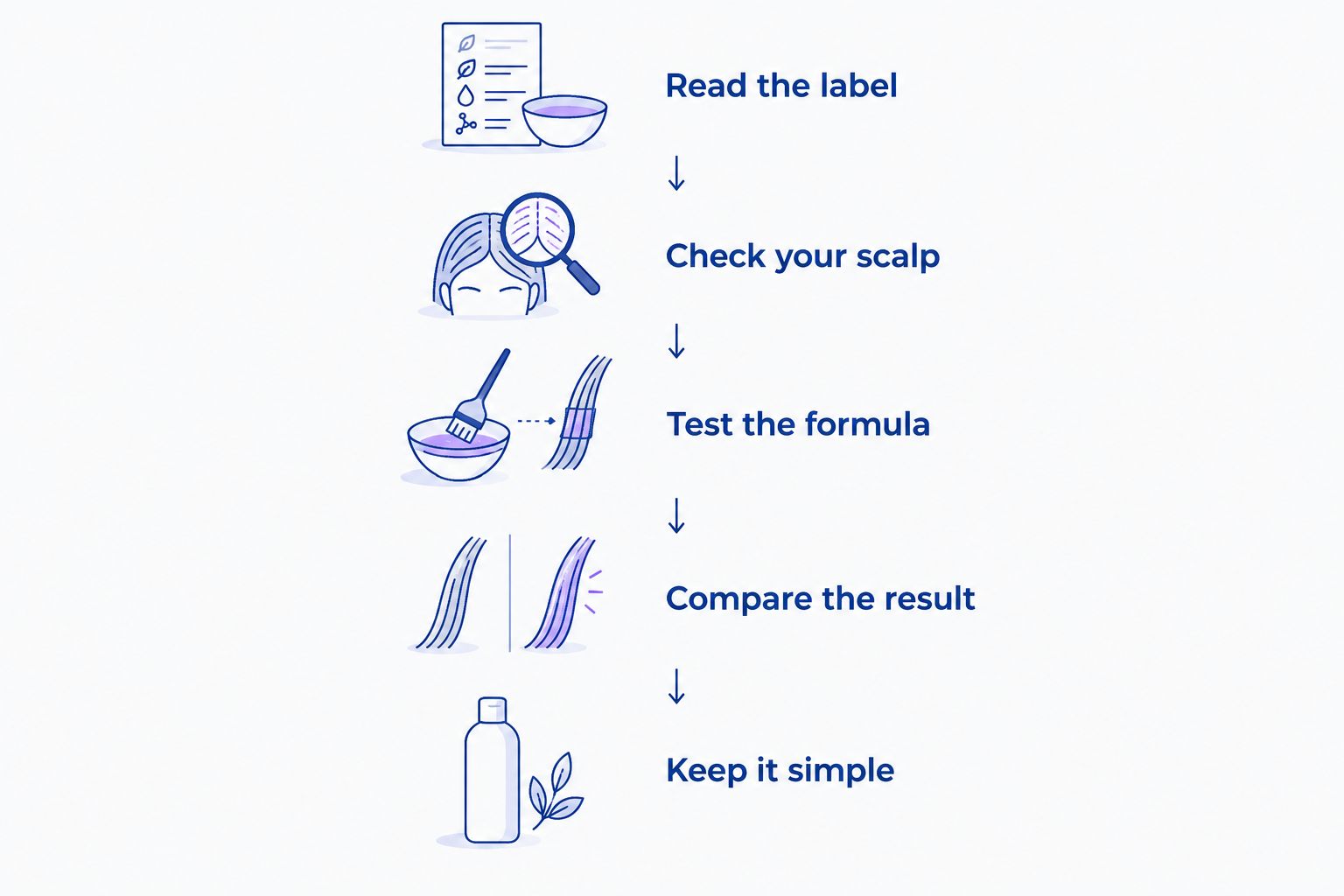
Use this sequence before adding a new blend to your routine:
- Read the label. Check the complete ingredient list and application directions. Identify any stated colorants, fragrance, essential oils, or instructions that restrict use after chemical treatments.
- Check your scalp. Do not apply a new oil over burning, broken, swollen, or actively irritated skin. A reaction after coloring needs attention before another cosmetic product is added.
- Test the formula. Follow the product’s skin-testing instructions. Separately, apply it to a concealed section of hair using the intended application and wash-out method.
- Compare the result. Check the dry test section against untreated hair in similar light. Look for an unwanted tone, residue, reduced volume, or a change in how the hair feels.
- Keep the first use simple. Avoid introducing several new products together. If something goes wrong, you need to know which product you changed.
A successful strand test answers a narrow question: how that section responded under those conditions. It does not prove that the product prevents fading, repairs chemical damage, or cannot cause a later allergy.
Which type of oil formula deserves extra caution?
Judge the finished formula rather than choosing by a single familiar botanical. Two blends described as traditional can have different ingredients and directions, so their labels are not interchangeable.
This comparison covers formula types, not tested product rankings. No category below guarantees color compatibility.
| Formula type | Best for | Potential advantage | Limitation or caution |
|---|---|---|---|
| Fragrance-free oil without added colorants | Readers avoiding fragrance and added tint | Removes those particular exposures from the formula | Other ingredients can still cause a reaction; strand testing remains necessary |
| Fragranced or essential-oil blend | Readers who want a scented routine and tolerate its ingredients | Provides the scent they prefer | Fragrance and some essential oils are recognized contact-allergy concerns |
| Blend containing coloring botanicals or added pigments | Readers intentionally considering a color effect | Makes the coloring ingredient identifiable on the label | Do not assume compatibility with your current shade or salon plan |
| Multi-botanical blend | Readers seeking a traditional botanical routine | Combines the listed botanicals in one product | Tradition and ingredient count do not establish finished-product safety or effectiveness |
DermNet’s guidance on allergic contact dermatitis to essential oils explains why botanical origin does not remove allergy risk. Its information on henna also distinguishes henna from products containing additional coloring substances, including the concerns associated with black henna.
For lightened or carefully toned hair, ask your colorist about any coloring ingredient before use. A seller’s general description cannot answer a formula-specific question about your salon service.
Why compatibility with colored hair varies
Several separate factors shape the decision. Check each one instead of treating “natural” as a safety standard:
- Ingredients: Fragrance, essential oils, and coloring substances raise different questions. Read the complete formula rather than only the ingredient highlighted on the front.
- Scalp condition: Comfortable, intact skin is different from a scalp that is burning or inflamed after dyeing. Do not use oil to cover up a suspected reaction.
- Chemical history: Tell your colorist about bleaching, permanent color, toning, and other chemical services. The American Academy of Dermatology identifies chemical processing as a source of hair damage.
- Application method: Scalp application exposes skin; application to lengths targets the hair fiber. Choose the placement that matches your goal and the product’s directions.
- Removal routine: A product that requires more handling than your hair tolerates is a poor fit. Avoid vigorous rubbing and detangling that pulls at fragile strands.
- Personal tolerance: Previous use without a reaction does not guarantee permanent tolerance. Stop if new symptoms develop.
These factors explain why a recommendation that suits someone else’s hair is not an automatic recommendation for yours. Your label check and test result matter more than the category name.
How do you test hair oil without risking your whole hairstyle?
Run separate checks for skin tolerance and the cosmetic result on hair. They answer different questions, and neither replaces the allergy testing required by a hair-dye manufacturer.
Check skin tolerance
The American Academy of Dermatology’s guidance, “How to test skin care products,” recommends testing on a small area for 7–10 days, with 2 applications per day, using the amount and contact time appropriate to the product. That is general skin-care guidance, not proof that an oil is safe for damaged skin or that a home test rules out allergy.
Follow the oil’s instructions, and ask a dermatologist before experimenting if you have a history of significant product reactions. Do not test a new blend on an already irritated scalp.
Check the hair result
Choose a concealed section that represents the hair you plan to oil. Test the formula as directed, including its removal, then let the section dry before comparing it with neighboring hair.
Check tone, feel, residue, and ease of combing. If you dislike the result, stop there rather than trying a full-head application and hoping it behaves differently.
Check the routine, not just the bottle
A successful oil routine must also fit your washing and styling habits. If removing the product means repeated scrubbing, pulling, or an uncomfortable scalp, change the routine rather than increasing the amount.
Keep your 2026 color-care notes simple: record the formula, where you applied it, and what happened. Photographs in consistent lighting are more useful for comparison than impressions formed under different bathroom lights.
Can you use Ayurvedic oil immediately after coloring?
Do not assume immediate use is appropriate. Follow the dye manufacturer’s aftercare directions and your colorist’s advice; there is no universal waiting period that applies to every color service and oil formula.
If your scalp is sore, itchy, or burning, do not add another product to soothe it without understanding the cause. NHS guidance on hair-dye reactions advises action when symptoms occur, rather than treating a reaction as normal aftercare.
Will botanical hair oil fade or change your color?
A botanical label cannot guarantee that an oil will leave your color unchanged. Inspect the formula for coloring ingredients and test a concealed strand before applying it widely.
Also distinguish an oily appearance or temporary residue from a lasting color change. Judge the result after following the product’s removal directions, not only while the hair is coated.
Does less breakage mean the oil is treating hair loss?
Less breakage does not mean a product is treating medical hair loss. Breakage concerns the hair shaft; shedding involves hairs leaving the follicle, and both can occur in the same person.
The American Academy of Dermatology explains that shedding 50–100 hairs per day is normal. That general range is not a home diagnostic test: sudden changes, visible thinning, bald patches, or scalp symptoms deserve medical assessment.
Oil cannot establish why your hair is falling out. Avoid interpreting softer ends or fewer snapped strands as evidence of regrowth, and do not delay a diagnosis while trying cosmetic products.
Where Asian Treasures fits in a color-care routine
Asian Treasures is best for shoppers seeking botanical hair care as a cosmetic ritual, not a medical hair-loss treatment. Its traditional botanical blend is the distinguishing feature of its hair-oil offering; that tradition is not evidence that the finished product protects dye or produces regrowth.
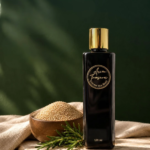
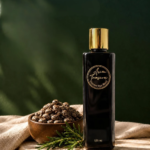
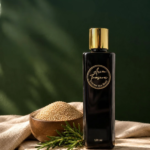
When considering Asian Treasures Nuskha-e-Khaas Hair Revival Oil, apply the same ingredient, skin-tolerance, and strand checks described above. Choose it for a routine you can assess on your own hair, not on the assumption that every botanical blend is color-safe.
This is brand-published guidance from Asian Treasures, not an independent product trial. The 2026 recommendation is deliberately limited: evaluate cosmetic suitability, respect your colorist’s aftercare instructions, and treat scalp reactions as a separate concern.
Evidence behind this 2026 guidance
The medical and skin-safety points come from named public-health and dermatology resources. Their scope matters:
- American Academy of Dermatology, “How to test skin care products”: Supports the small-area skin-testing guidance, not a claim about dye preservation.
- American Academy of Dermatology, “Do you have hair loss or hair shedding?”: Supports the distinction between shedding and hair loss and the normal daily shedding range.
- American Academy of Dermatology, hair-damage prevention guidance: Supports gentle handling and caution around chemical processing.
- NHS, “Hair dye reactions”: Supports recognizing reactions and seeking appropriate help.
- DermNet, essential-oil contact-allergy and henna guidance: Supports ingredient-specific cautions, not a judgment that all botanical oils are harmful.
These sources do not establish clinical effectiveness or color compatibility for a particular finished hair oil. Ingredient information and general dermatology advice cannot substitute for product-specific evidence.
FAQ
Is Ayurvedic hair oil safe for bleached hair?
Ayurvedic hair oil is not automatically compatible with bleached hair. Check the ingredients and directions, test a concealed section, and ask your colorist about coloring ingredients before wider use.
Can I leave Ayurvedic hair oil on colored hair overnight?
Do not assume overnight use is appropriate for colored hair. Follow the product’s directions and establish skin tolerance and a satisfactory strand-test result before considering longer contact.
Does natural hair oil cause allergic reactions?
Natural hair oil can cause allergic reactions. DermNet identifies some essential oils as contact allergens, and a botanical origin does not rule out sensitivity to the finished formula.
Should I oil my scalp if it burns after hair dye?
Do not apply a new hair oil to a burning or irritated scalp. Follow NHS advice on hair-dye reactions and seek urgent help for breathing difficulty or swelling involving the mouth or throat.
How long should I test a new hair oil on my skin?
The American Academy of Dermatology recommends 7–10 days of small-area testing for skin-care products, with 2 applications per day. Follow product-specific directions and seek medical advice if you have a history of significant reactions.
Will hair oil repair split ends caused by coloring?
Hair oil does not permanently repair split ends. Cosmetic conditioning can improve feel, but the American Academy of Dermatology advises trimming damaged ends rather than treating surface improvement as repair.
Is Asian Treasures hair oil a treatment for hair loss?
Asian Treasures hair oil belongs in cosmetic hair care, not a substitute for medical hair-loss treatment. A botanical blend and an improvement in hair feel do not establish regrowth or explain persistent shedding.
One last thing
Check your scalp before checking your shine. A glossy finish does not tell you whether your skin tolerates a formula, whether your color will stay unchanged, or whether shedding needs medical attention.
Keep one concealed strand as your first stop for every unfamiliar blend. Rejecting a product after a small test is a better outcome than discovering a problem across your whole hairstyle.
Related guides
- Hair oil for sensitive scalp and eczema
- Hair oil for split ends
- Can hair oil regrow a receding hairline?