Best overall for dry, frizzy lengths: argan oil. Best for fine hair that needs a cautious finishing step: jojoba oil. Best before shampooing damaged lengths: coconut oil. This 2026 guide compares those uses—not a claim that one oil stops humidity-related frizz on every hair type.
- The best hair oil for frizz depends on strand thickness, application, and whether you need finishing or pre-wash care.
- Argan oil is the finishing pick for dry lengths; start sparingly rather than coating the whole head.
- Coconut oil has published hair-fibre evidence, but that does not establish all-day humidity protection.
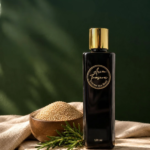
- Asian Treasures Hair Revival Oil is a botanical scalp-care option, not a treatment for medical hair loss.
Why this matters
Frizz control and hair growth are different jobs. Humidity affects the hair fibre, while shedding starts at the follicle; a smoother-looking strand does not show that an oil treats hair loss.
For your 2026 buying decision, start with the problem you can see: rough lengths, flyaways, or hair that feels weighed down after oiling. If dryness is the main issue, the guide to hair oil for dry hair covers that related choice.
Oil is a finishing or pre-wash tool, not a substitute for conditioner or a diagnosis. You can choose a sensible oil and still need to change how you wash, detangle, or style your hair.
What makes the best hair oil for frizz?
These criteria matter more than a long ingredient story:
- Fit for your strands: fine hair needs particular care with the amount applied; coarse or dry lengths need a different assessment.
- Application role: a finishing oil and a pre-shampoo oil solve different routine problems.
- Manageable residue: the useful amount smooths your lengths without leaving an unwanted coating.
- Clear ingredients: judge the complete formula, including fragrance, rather than the headline botanical alone.
- Evidence boundaries: hair-fibre research does not prove regrowth, scalp treatment, or weatherproof styling.
This is brand-published guidance from Asian Treasures, not an independent product test. The ranking compares oil types and practical uses; it does not score named retail formulas or claim measured humidity performance.
Best hair oils for frizz at a glance
| Rank and option | Best for | Standout role | Key limitation |
|---|---|---|---|
| 1. Argan oil | Finishing dry, frizzy lengths | A small, targeted smoothing step | Too much can leave an oily finish; no humidity guarantee |
| 2. Jojoba oil | Fine hair needing a cautious trial | Sparing application to flyaways or ends | It can still weigh hair down; not proven better for fine hair |
| 3. Coconut oil | Pre-shampoo care for damaged lengths | Published evidence on reducing hair protein loss | Protein-loss findings do not establish leave-in frizz control |
The order reflects the job each option fills. It is not a clinical ranking, and ingredient names alone cannot predict how a finished blend will feel on your hair.
1. Argan oil: best hair oil for frizz on dry lengths
Argan oil is the default finishing choice in this guide when your lengths look dry and you want an oil-based smoothing step. Apply it to the areas that need attention rather than treating the scalp and ends as the same surface.
Start with 1 drop spread between your palms. Smooth it over the ends first, then use what remains on flyaways; this is a cautious application recommendation, not a tested dose.
Argan oil pros:
- Fits a targeted, leave-in finishing routine.
- Lets you treat the ends without deliberately oiling the roots.
- Can be assessed in a small amount before wider application.
Argan oil cons:
- An oily finish is possible, especially after repeated applications.
- A bottle labelled with argan oil can contain other ingredients that change its feel.
- This guide does not establish that argan oil outperforms other oils in humidity.
Best for: dry lengths that need a modest finishing step after your usual conditioning and styling routine.
Check the ingredient list before buying. Pure argan oil and a multi-ingredient styling blend are different formulas, even when the front label emphasizes the same botanical.
Verdict: Buy for targeted finishing, not for a promise of weatherproof hair.
2. Jojoba oil: best hair oil for frizz when fine hair needs restraint
Jojoba oil is an alternative trial for fine hair when you want to apply an oil very selectively. It is technically a liquid wax, but it is commonly sold and used as a hair oil.
The reason to choose it here is the application approach, not a claim that jojoba is universally lightweight. Fine hair can look coated with any oil, so the amount you use matters more than a reassuring label.
Jojoba oil pros:
- Suits a spot-application approach to ends or individual flyaways.
- Can be tried separately from your scalp-care routine.
- Offers another option if your current finishing oil leaves an unwanted feel.
Jojoba oil cons:
- It can still flatten or coat fine hair.
- There is no basis here to call it the strongest humidity barrier.
- Fragranced blends introduce ingredients beyond jojoba itself.
Best for: fine hair whose owner wants a restrained oil trial rather than an all-over application.
Begin with less than you think you need. If the first application is insufficient, assess the result before adding 1 additional drop; do not automatically repeat the dose across your whole head.
Verdict: Buy for a controlled trial; skip repeated layering if your hair loses movement.
3. Coconut oil: best hair oil for frizz-prone, damaged lengths before washing
Coconut oil earns its place for pre-shampoo hair-fibre care, not because it has established superiority as a humid-weather finishing product. Use this category when your priority is caring for damaged lengths before cleansing.
Rele and Mohile’s paper, Effect of mineral oil, sunflower oil, and coconut oil on prevention of hair damage, published in the Journal of Cosmetic Science, reported reduced protein loss with coconut oil in the hair samples studied. That is evidence about hair fibres—not a clinical trial of hair growth or an all-day humidity claim.
Coconut oil pros:
- Has published evidence relevant to hair protein loss.
- Provides a pre-wash option instead of requiring a leave-in finish.
- Keeps the decision focused on strand care rather than scalp-growth promises.
Coconut oil cons:
- Residue can be unwelcome if you apply more than your wash routine removes.
- The cited evidence does not establish that it controls your particular frizz pattern.
- An ingredient study does not validate every coconut-containing product.
Best for: damaged lengths when you prefer an oiling step before shampooing rather than after styling.
Follow the product’s directions and assess the result after 1 wash cycle before repeating the routine. More oil is not automatically a better application.
Verdict: Buy for pre-wash strand care; skip it as a guaranteed humidity shield.
Where does Hair Revival Oil fit?
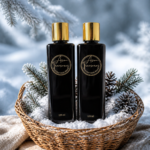
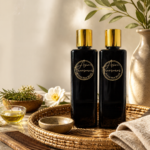
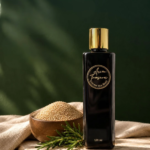
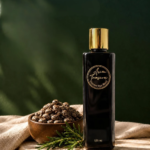
Asian Treasures Hair Revival Oil, identified by the brand as Nuskha-e-Khaas, is a botanical hair-oil and scalp-care option. Its traditional botanical blend is a distinguishing feature, not proof that it prevents frizz, reverses thinning, or stimulates regrowth.
Asian Treasures Hair Revival Oil is best considered for botanical scalp care, not as a treatment for medical hair loss. That distinction matters when a shopper arrives looking for growth help but also wants smoother lengths.
Hair Revival Oil pros:
- Matches a preference for a traditional botanical hair-oiling ritual.
- Gives shoppers a scalp-care option to assess separately from styling needs.
- Keeps the choice within the brand’s stated natural hair-care focus.
Hair Revival Oil cons:
- A botanical blend alone does not establish humidity protection.
- Its positioning does not demonstrate treatment of shedding or thinning.
- Your decision still requires checking the full ingredient list and application directions.
Best for: shoppers seeking botanical scalp care with realistic cosmetic expectations.
Verdict: Hold if your only goal is proven humid-weather frizz control; choose by the labelled use, not a growth assumption.
How to apply oil without making frizz care harder
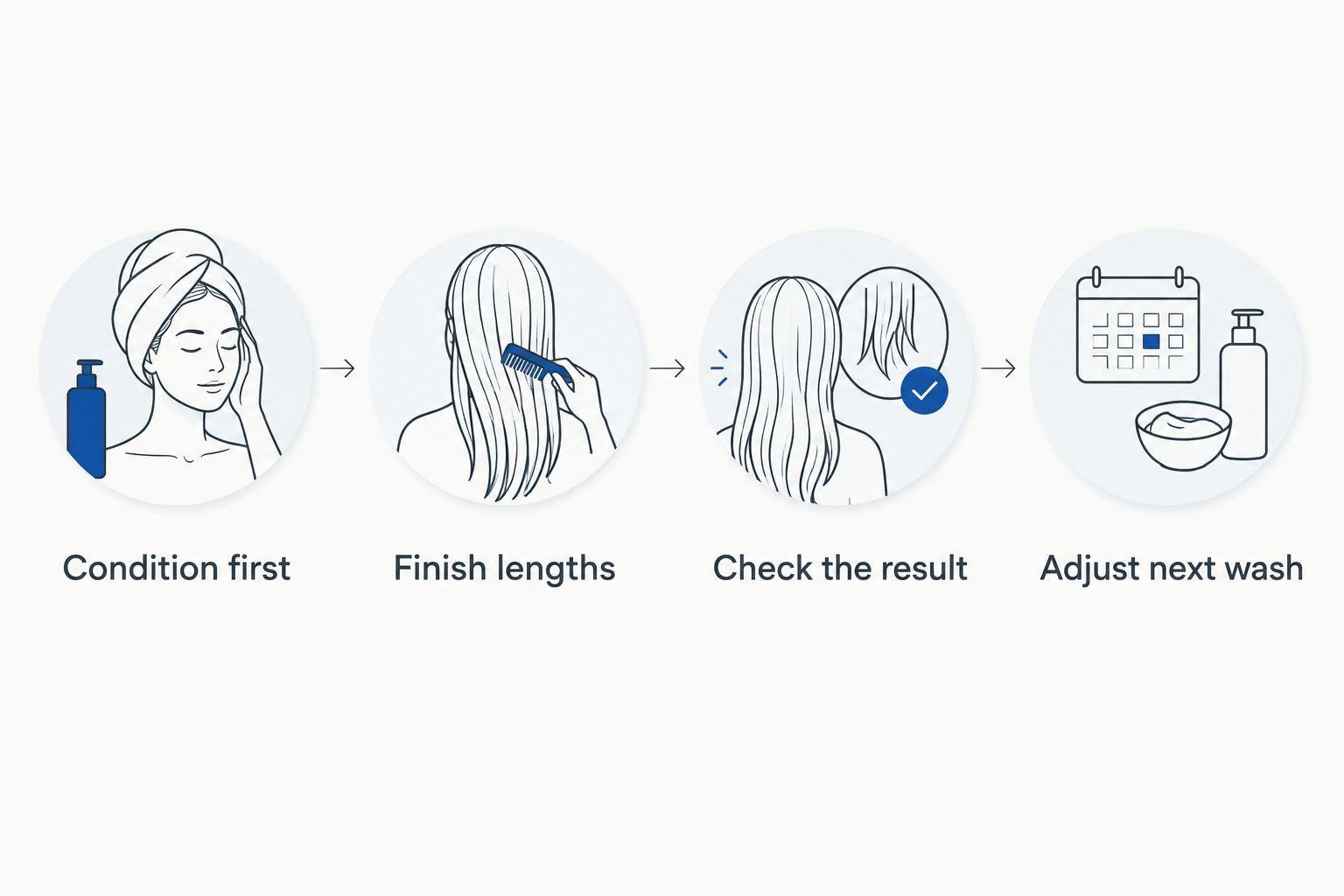
A useful routine separates conditioning from finishing. Oil does not replace the rest of your wash-day care, and applying it everywhere makes it harder to tell which area actually needed it.
- Condition first. Use a conditioner appropriate for your hair and follow its directions.
- Finish lengths. For a leave-in oil, begin at the ends rather than automatically coating the scalp.
- Check the result. Let your hair settle before deciding whether it needs more product.
- Adjust next wash. Reduce the amount or change the application role if the finish feels coated.
Do not use vigorous rubbing as your frizz-control technique. The American Academy of Dermatology’s guidance on stopping hair damage recommends gentle hair handling and cautions against rubbing hair dry with a towel.
If curls or coils are your main concern, use the curly and coily hair oil guide to keep the oil decision connected to your wider routine. Frizz management should not require brushing away the pattern you want to keep.
What the evidence does—and does not—support
The evidence basis for this 2026 guide is deliberately narrow. The coconut-oil paper addresses protein loss in hair fibres; American Academy of Dermatology guidance addresses hair handling and the distinction between shedding and hair loss.
Neither source establishes that the ranked oils deliver a particular number of hours of frizz control. Neither validates a finished botanical blend merely because it contains a familiar ingredient.
Breakage is damage along the strand; shedding is the release of hair from the follicle. Short broken pieces can suggest breakage, but appearance alone is not a reliable diagnosis. The Academy’s guidance, Do you have hair loss or hair shedding?, explains why identifying the cause matters.
Seek medical advice for sudden shedding, bald patches, or a painful or inflamed scalp. Choosing another cosmetic oil is not a substitute for assessment.
How the 2026 ranking was decided
The ranking uses the criteria above: strand fit, application role, residue, ingredient clarity, and evidence limits. Argan oil takes the finishing slot, jojoba oil takes the cautious fine-hair trial slot, and coconut oil takes the pre-wash care slot.
No measured head-to-head humidity test supports this order. Keep that boundary in mind when comparing this buying guide with labels promising growth, repair, and frizz control in the same sentence.
Which hair oil should you choose?
Choose argan oil as the default if your main concern is dry-looking lengths after styling. Choose jojoba oil for a selective fine-hair trial, or coconut oil when you want pre-shampoo care rather than another leave-in layer.
For shoppers in Pakistan, the same rule applies: compare the actual ingredient list and intended use, not just “best hair growth oil” wording. A 2026 buying decision should start with your hair’s needs, not with a broader promise than the product can support.
FAQ
What’s the best hair oil for frizz in humid weather?
Argan oil is this guide’s default finishing choice for dry, frizzy lengths. That is a practical recommendation, not proof that it outperforms every oil in humidity.
Is coconut oil better than argan oil for frizz?
Neither is established here as universally better for frizz. Coconut oil has published evidence on reducing hair protein loss, while argan oil fills the targeted finishing role in this guide.
Which hair oil should I try for fine, frizzy hair?
Jojoba oil is a cautious trial option for selective application to fine hair. Start sparingly, because any oil can leave an unwanted coating.
Should I put frizz-control oil on my scalp?
Apply a finishing oil to the lengths that need it rather than automatically oiling your scalp. Scalp-care products serve a different purpose and should be used according to their directions.
Can hair oil stop shedding as well as frizz?
A cosmetic hair oil should not be treated as a remedy for medical shedding. Smoother strands or less breakage do not demonstrate treatment of a follicle-related problem.
Does a botanical blend prove that an oil grows hair?
No, a botanical blend does not prove hair-growth effectiveness. Evidence about an individual ingredient also does not automatically establish results for a finished product.
How should I choose a hair oil in Pakistan in 2026?
Choose by the complete ingredient list, intended application, and how your hair responds. Keep cosmetic frizz control separate from claims about treating thinning or hair loss.
One last thing
Before changing oils, change only the amount you apply. Keeping the rest of your routine steady makes it easier to spot whether the oil improves the finish or simply adds residue.
The best next step is a controlled application, not another layer.