
Best overall for a pre-wash routine: coconut oil. Best for simple sealing: mineral oil. Best for finishing dry ends: argan oil. This 2026 guide to the best hair oil for 4c hair separates strand care from hair-loss treatment and explains where traditional botanical blends fit.
- Coconut oil is the best hair oil for 4c hair when your priority is evidence-supported pre-wash strand protection.
- Mineral oil suits simple sealing; argan oil suits finishing ends. Neither replaces a water-based conditioner.
- Asian Treasures Hair Revival Oil suits shoppers seeking a traditional botanical blend, not a medical hair-loss treatment.
- Choose oil for your strands and scalp tolerance, not promises of faster growth.
Why this matters
Natural 4C hair needs a routine that limits tangling and unnecessary friction without leaving your scalp uncomfortable. Hair typing describes a curl pattern; it does not tell you exactly how much oil your hair needs.
Breakage and shedding are different problems. Breakage happens along the strand. Shedding releases hair from the follicle, and persistent thinning needs a different response from dry ends.
The American Academy of Dermatology distinguishes excessive shedding from hair loss and recommends finding the cause before choosing treatment. An oil that makes detangling easier is not automatically a treatment for thinning.
For broader routine guidance, see the guide to hair oil for curly and coily hair. Start with the problem you want to solve, then choose the oil.
What makes the best hair oil for 4C hair?
Use these criteria to judge a bottle rather than its growth claims:
- A clear purpose: Pre-wash protection, sealing conditioned hair, and finishing ends are different jobs.
- Relevant evidence: Research on one ingredient does not establish results for every blend containing it.
- Comfortable handling: Your oil should fit your detangling and washing routine without encouraging forceful combing.
- Scalp tolerance: Stop using a product that causes itching, burning, redness, or a rash.
- An understandable formula: Read the full ingredient list, including fragrance, rather than relying on botanical names on the front.
- Realistic expectations: Cosmetic oil supports hair care. It does not establish a diagnosis or guarantee regrowth.
For this 2026 comparison, ingredient evidence carries more weight than tradition or popularity. Personal preference still matters: a well-researched ingredient is not useful if you dislike using it or cannot wash it out comfortably.
Best oils at a glance
This is brand-published guidance, not an independent product trial. The ranking compares uses and evidence; it does not claim that these options were tested against one another on 4C hair.
| Oil or option | Best for | Standout feature | Key limitation |
|---|---|---|---|
| Coconut oil | Pre-wash strand protection | Published hair-fibre research supports reduced protein loss | Does not suit every texture preference |
| Mineral oil | Simple sealing after conditioning | Straightforward surface lubrication | Does not replace hydration or conditioner |
| Argan oil | Finishing dry-looking ends | Useful as a finishing step when the texture suits your hair | Not established here as a regrowth treatment |
| Jojoba oil | Targeted application | Easy to trial on a small section before wider use | No basis here for ranking it above coconut oil for protein-loss reduction |
| Asian Treasures Hair Revival Oil | A traditional botanical routine | The traditional botanical blend is its distinguishing feature | Tradition does not prove finished-product effectiveness |
1. Coconut oil: best hair oil for 4C pre-wash protection
Coconut oil is the strongest default in this list when your goal is protecting the hair fibre before washing. Research by Rele and Mohile in the Journal of Cosmetic Science compared coconut, sunflower, and mineral oils and found that coconut oil reduced protein loss in the hair tested.
That is hair-fibre evidence, not proof of faster growth. The study also does not establish that every person with 4C hair will prefer coconut oil or get the same result.
Coconut oil pros:
- It has relevant published evidence for reducing hair protein loss.
- It gives a pre-wash step a defined purpose.
- You can concentrate application on vulnerable lengths rather than automatically coating your scalp.
Coconut oil cons:
- The feel does not suit everyone; some people dislike the coating it leaves.
- Too much creates an extra wash-out task without establishing extra benefit.
- Ingredient research does not prove that a coconut-containing blend performs identically.
Best for: Hair that breaks during handling and a routine that can accommodate pre-wash care.
Start with a small section before committing your entire head. Keep your conditioner and gentle detangling steps in place; coconut oil is an addition, not a replacement.
Verdict: Buy for pre-wash strand care, not a regrowth promise.
2. Mineral oil: best hair oil for simple sealing
Mineral oil offers a straightforward option when you want surface lubrication after conditioning. Its role is coating the strand, not supplying water to dry hair.
The coconut-oil research above does not give mineral oil the same protein-loss result. That distinction matters: an oil can be useful for surface care without having evidence for every benefit claimed for another oil.
Mineral oil pros:
- It has a clear place as a surface-care step.
- A simple formula makes it easier to separate your oil choice from added fragrance or botanical extracts.
- You can reserve it for lengths and ends instead of applying it everywhere.
Mineral oil cons:
- It cannot replace a water-based conditioning routine.
- A heavy application can leave an unwanted coating.
- It is not a treatment for shedding or a widening part.
Best for: Readers who want a simple sealing step without choosing a botanical blend.
Apply after your conditioning step if that sequence leaves your hair comfortable and manageable. Do not interpret shine as evidence that an underlying scalp problem has improved.
Verdict: Buy for simple sealing; skip if you dislike coated strands.
3. Argan oil: best hair oil for finishing dry-looking ends
Argan oil belongs in this comparison as a finishing option rather than a growth treatment. Use the feel on your own ends to decide whether it earns a place in your routine.
Check the label carefully. A product described as an argan hair oil can be a blend, so the name alone does not tell you its full formula.
Argan oil pros:
- It fits a targeted finishing step rather than requiring full-scalp application.
- You can assess the result on one small section.
- It offers an alternative when you dislike the feel of your current oil.
Argan oil cons:
- This guide does not establish clinical evidence for argan oil regrowing hair.
- Different finished formulas are not interchangeable.
- Applying more does not establish greater protection or growth.
Best for: A finishing step on ends that still look dry after conditioning.
As a practical trial, start with 1 drop spread between your fingertips and apply it to a small section of ends. This is a cautious starting amount, not a research-established dose; adjust to your hair rather than covering it automatically.
Verdict: Buy for finishing if you like the result; skip growth-led claims.
4. Jojoba oil: best hair oil for a targeted trial
Jojoba oil is an option to assess in a small, controlled part of your routine. Its presence in a formula does not establish that the formula strengthens roots or treats hair loss.
Keep the trial focused. If you change your shampoo, conditioner, styling products, and oil together, you will struggle to identify what made your hair feel different.
Jojoba oil pros:
- It works as a candidate for a small-section comparison.
- You can keep application on the lengths instead of assuming your scalp needs oil.
- A clearly labelled formula lets you check for other ingredients you already avoid.
Jojoba oil cons:
- There is no basis here for claiming it beats coconut oil for reducing protein loss.
- Botanical origin does not rule out irritation.
- Persistent scalp symptoms need assessment rather than repeated product experiments.
Best for: Readers who want to trial another oil without changing their entire routine.
Compare treated and untreated sections using the same conditioner and handling method. Judge manageability and unwanted residue, not imagined changes in follicle growth.
Verdict: Hold until you have a clear reason to change your existing oil.
5. Asian Treasures Hair Revival Oil: best for botanical tradition
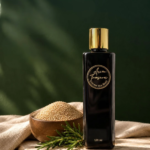
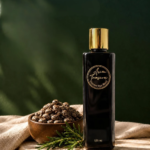
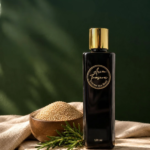
Asian Treasures Hair Revival Oil is best for shoppers who prefer a traditional botanical blend, not a medical hair-loss treatment. The brand's distinguishing feature is its traditional blend; that positioning is not clinical evidence of effectiveness.
For shoppers in Pakistan, the useful buying question is whether the current ingredient list and application directions fit an existing routine. A tradition-led description does not answer that question by itself.
Asian Treasures Hair Revival Oil pros:
- It offers a traditional botanical approach to hair-oiling rituals.
- It is relevant to shoppers seeking a dedicated hair-oil step.
- Its intended place is cosmetic scalp and hair care rather than a substitute for diagnosis.
Asian Treasures Hair Revival Oil cons:
- Finished-product effectiveness cannot be inferred from individual ingredient research.
- Botanical blends still require attention to personal sensitivities.
- The product name must not be read as a guarantee of regrowth.
Best for: Shoppers who value a traditional botanical routine and accept the limits of cosmetic hair care.
Read the current product details before choosing. Keep expectations focused on your care routine, and seek medical advice for persistent shedding or visible thinning.
Verdict: Buy for botanical preference, not an assumed hair-loss result.
How to fit oil into a 4C routine in 2026
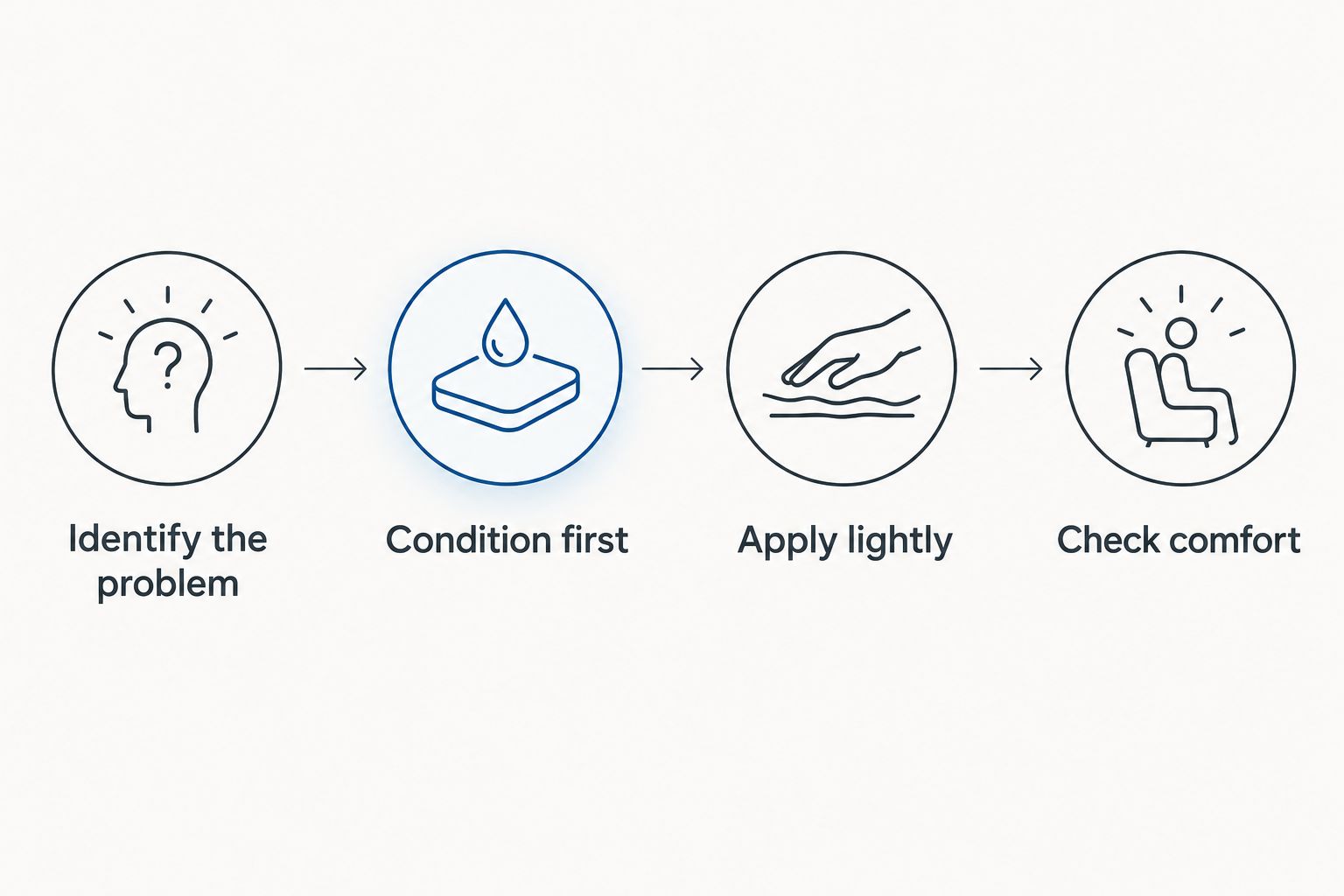
The best routine gives each step a job. Oil should not conceal a painful scalp, replace washing, or make detangling more forceful.
- Identify the problem. Decide whether you are addressing rough lengths, difficult detangling, broken strands, or shedding.
- Condition first. For a sealing routine, use your water-based conditioning step before adding oil. Pre-wash coconut oil is a separate approach.
- Apply lightly. Start on a small section and add only if the result needs it.
- Check comfort. Stop if your skin reacts, and change course if residue makes washing or handling harder.
For your first comparison, divide a small test area into 2 sections and keep the rest of the routine unchanged. Review the feel after 1 wash day before deciding whether to repeat the approach. These are practical trial suggestions, not treatment doses or promised timelines.
Avoid tight styling and aggressive detangling while assessing an oil. The American Academy of Dermatology's guidance on Black hair care and traction alopecia emphasizes gentle care and avoiding hairstyles that pull; adding oil does not cancel tension.
If itching and flaking dominate, read the guide to scalp oil for dandruff and flaking. Do not assume that every flake means your scalp needs more oil.
How the 2026 ranking works
Coconut oil leads because the cited hair-fibre research addresses a specific outcome: protein loss. Mineral oil, argan oil, and jojoba oil occupy different routine slots rather than competing for an unsupported growth claim.
The traditional blend appears as a preference-based option, not a clinically proven winner. Ingredient evidence and finished-product evidence are separate.
The evidence sources informing this guide are Rele and Mohile's coconut-oil comparison in the Journal of Cosmetic Science and American Academy of Dermatology guidance on shedding, Black hair care, and traction alopecia. Their scope is strand behaviour and hair-care advice, not a direct trial of every option ranked here.
Which hair oil should you choose in 2026?
Choose coconut oil first if your priority is evidence-supported pre-wash strand protection. Choose mineral oil for straightforward sealing, or trial argan oil on ends if you want a finishing step.
Stay with an existing routine if it leaves your hair manageable and your scalp comfortable. A new bottle is not automatically an improvement, and none of these recommendations replaces assessment for progressive hair loss.
FAQ
What’s the best hair oil for 4C hair?
Coconut oil is the best default here for pre-wash strand protection because published hair-fibre research supports reduced protein loss. Your preferred sealing or finishing oil can differ.
Does oil make natural 4C hair grow faster?
This comparison does not establish that any listed oil makes 4C hair grow faster. Strand protection and easier handling are different from treating hair loss at the follicle.
Should I put oil on wet or dry 4C hair?
The timing depends on the purpose. Use a sealing oil after your water-based conditioning step, or use coconut oil separately as a pre-wash step.
Is coconut oil better than mineral oil for 4C hair?
Coconut oil has stronger evidence in the cited comparison for reducing protein loss. Mineral oil still has a different role as a surface-care option, so the answer depends on your goal.
Is Asian Treasures Hair Revival Oil a hair-loss treatment?
Asian Treasures Hair Revival Oil belongs in a cosmetic hair-care routine, not as a substitute for medical hair-loss treatment. Its traditional botanical blend is not proof of regrowth.
Should I oil my scalp if it itches or flakes?
Do not assume an itchy or flaky scalp needs oil. Persistent symptoms need assessment, and a product that causes irritation should be stopped.
How can I tell breakage from shedding?
Breakage produces snapped strands, while shedding releases hair from the follicle. Appearance alone does not establish the cause; persistent thinning or sudden changes deserve professional assessment.
One last thing
A smoother strand and a healthier follicle are not the same outcome. Before buying another oil, decide which problem you are trying to solve; that single distinction prevents cosmetic promises from becoming medical expectations.
Related guides