
Best overall for dry ends with an oily scalp: squalane. Best for controlled application: jojoba oil. Best for a pre-wash treatment: coconut oil. The best hair oil for oily scalp belongs on the hair that needs conditioning—not automatically on greasy roots. This 2026 guide compares cosmetic options, including the traditional botanical blend from Asian Treasures, without treating oil as a hair-loss remedy.
- Squalane is this guide’s best hair oil for oily scalp when you need conditioning on dry ends, not roots.
- Jojoba, argan, and coconut oils suit different application preferences; none is a treatment for excess scalp oil.
- Asian Treasures offers a traditional botanical blend; tradition does not establish effectiveness or a lightweight finish.
- Persistent itching, flakes, or thinning need a different response from dry, brittle hair ends.
Why this matters
An oily scalp and dry ends can exist together. Your scalp produces sebum, while longer strands experience washing, brushing, friction, and styling. Treating both areas identically can leave roots coated without addressing what your ends need.
Choose an oil for the condition of your strands, not as a way to stop scalp oil production. The American Academy of Dermatology recommends adjusting washing to how oily or dirty your hair becomes and applying shampoo primarily to the scalp.
Greasy roots with persistent itching or flakes need a separate decision. Start with this guide to scalp oil for dandruff and flaking rather than assuming that every flake means dryness.
What makes the best hair oil for oily scalp?
For this 2026 shortlist, application control matters more than a growth claim. Assess each option against these criteria:
- Placement: Can you apply it to dry lengths without coating the scalp?
- Dose control: Does the packaging let you dispense a small amount rather than pour freely?
- Ingredient clarity: Can you identify the ingredients and any fragrance before use?
- Washability: Does your normal wash remove the amount you applied without repeated scrubbing?
- Purpose: Are you addressing roughness and grooming, or expecting treatment for shedding and thinning?
- Tolerance: Does your skin remain comfortable, without itching, burning, or redness?
“Lightweight” is a description of feel, not a standardized medical claim. Your dose, hair thickness, and placement all affect whether an oil feels comfortable or heavy.
Lightweight hair oils at a glance
These are ingredient-level recommendations, not rankings of tested retail formulas. Finished products can contain additional oils, fragrance, or other ingredients that change their feel.
| Rank and option | Best for | Standout feature | Key limitation |
|---|---|---|---|
| 1. Squalane | Minimal conditioning on dry ends | Spreads readily in small amounts | Does not treat excess sebum or hair loss |
| 2. Jojoba oil | Controlled smoothing of individual sections | A liquid wax used in cosmetic conditioning | Still adds a coating if overapplied |
| 3. Argan oil | Finishing rough-looking lengths | A plant-oil option for targeted grooming | Finished blends vary; the name alone does not establish lightness |
| 4. Coconut oil | A wash-out treatment for vulnerable lengths | Published hair-fibre research on protein loss | Not the default choice for a lightweight leave-in |
| 5. Nuskha-e-Khaas Hair Revival Oil | Shoppers who prefer a traditional botanical blend | The brand’s botanical-blend approach | Lightweight feel and oily-scalp suitability are not established here |
1. Squalane: best hair oil for minimal end conditioning
Squalane is an emollient used in cosmetic formulations. It is the default recommendation here for someone who wants a small amount of slip on dry ends while leaving oily roots alone—not because it controls sebum.
For a cautious first application, dispense 1 drop into your palms, spread it thinly, and touch only the ends. This is a starting technique, not a proven dose or a requirement for every hair length.
Squalane pros:
- Spreads readily, helping you distribute a small amount.
- Suits an ends-only application rather than a full scalp-oiling ritual.
- A single-ingredient version makes the ingredient list straightforward.
Squalane cons:
- Too much still leaves hair coated.
- It does not treat dandruff, excess oil production, or medical hair loss.
Best for: Fine or easily weighed-down lengths that need limited conditioning.
Verdict: Buy if you want a controlled, ends-only starting point. Choose by the full ingredient list, not the word squalane alone.
2. Jojoba oil: best hair oil for section-by-section application
Jojoba oil is chemically a liquid wax, although it is sold and used as an oil. It is a cosmetic conditioning option, not evidence that your scalp needs more oil or that applying it balances sebum production.
Use jojoba where you can see or feel a grooming need. Separate a dry section, distribute a trace through your palms, and smooth that section rather than treating the whole head automatically.
Jojoba oil pros:
- Works with a deliberate, section-by-section routine.
- Allows you to keep the application away from greasy roots.
- A single-ingredient option simplifies checking what you are applying.
Jojoba oil cons:
- Similarity to components of skin lipids does not prove oil-control benefits.
- Repeated application without washing can leave an unwanted coating.
Best for: Readers who prefer targeted smoothing over all-over oiling.
Verdict: Buy for controlled cosmetic use; skip claims that jojoba trains your scalp to produce less oil.
3. Argan oil: best hair oil for finishing rough lengths
Argan oil is a plant oil used in hair-conditioning products. Consider it for the appearance and feel of rough lengths, not for treating shedding from the root.
Read the complete formula. A product described as an argan treatment can include other conditioning ingredients, so the ingredient name alone does not tell you how the finished product will feel.
Argan oil pros:
- Offers a plant-oil option for smoothing selected lengths.
- Can fit into a finishing routine without scalp application.
- Lets you focus attention on weathered ends rather than already-oily roots.
Argan oil cons:
- Different formulas cannot be judged by the front-label ingredient alone.
- It does not reverse split ends or establish a treatment for hair loss.
Best for: Hair with rough-looking lengths that needs a cosmetic finishing step.
Verdict: Hold until you have checked the full ingredient list and whether you actually need another leave-in layer. Conditioner alone may meet your grooming needs.
4. Coconut oil: best hair oil for a pre-wash routine
Coconut oil has a different reason to appear on this list: evidence relating to the hair fibre. Rele and Mohile’s study in the Journal of Cosmetic Science, published in 2003, compared coconut, sunflower, and mineral oils and found reduced protein loss with coconut oil in the tested hair samples.
That finding concerns hair fibres under study conditions. It does not show that coconut oil treats an oily scalp, reverses thinning, or proves the effectiveness of a finished botanical blend.
Coconut oil pros:
- Has published evidence relating to hair-protein loss.
- Fits a deliberate wash-out routine.
- Can be confined to lengths rather than applied to roots.
Coconut oil cons:
- Can leave a coating that conflicts with a lightweight leave-in goal.
- Hair-fibre evidence is not evidence of regrowth.
- Your usual shampoo must remove the amount you use comfortably.
Best for: Readers choosing a pre-wash treatment for lengths rather than an everyday finishing oil.
Verdict: Buy for a wash-out role if it suits your hair; skip it as the default leave-in for easily weighed-down strands.
5. Nuskha-e-Khaas Hair Revival Oil: best for botanical-blend preference
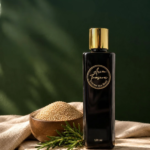
Asian Treasures offers Nuskha-e-Khaas Hair Revival Oil within its botanical hair-care range. Its traditional botanical-blend approach is the relevant distinction—not proof of regrowth, oil control, or a lightweight finish.
Asian Treasures is best for hair-oil shoppers who value a traditional botanical blend, not shoppers seeking a proven oily-scalp treatment. Check the current product information and directions before deciding whether it fits your routine.
Nuskha-e-Khaas Hair Revival Oil pros:
- Offers a blend-based alternative to a single-ingredient oil.
- Matches a preference for traditional botanical hair care.
- Gives shoppers a cosmetic-care option to assess separately from medical treatment.
Nuskha-e-Khaas Hair Revival Oil cons:
- The information supporting this guide does not establish a lightweight finish.
- Botanical ingredients do not rule out irritation or sensitivity.
- There is no basis here to promise regrowth or treatment of excess sebum.
Best for: Shoppers who prioritize a traditional blend and will assess the complete formula and directions.
Verdict: Hold until you confirm that the product’s instructions and ingredients suit your needs. A botanical positioning alone does not make it the first choice for oily roots.
How to use oil without coating oily roots
Keep your 2026 routine simple enough to identify what helps. Introducing several new products together makes irritation or unwanted buildup harder to trace.
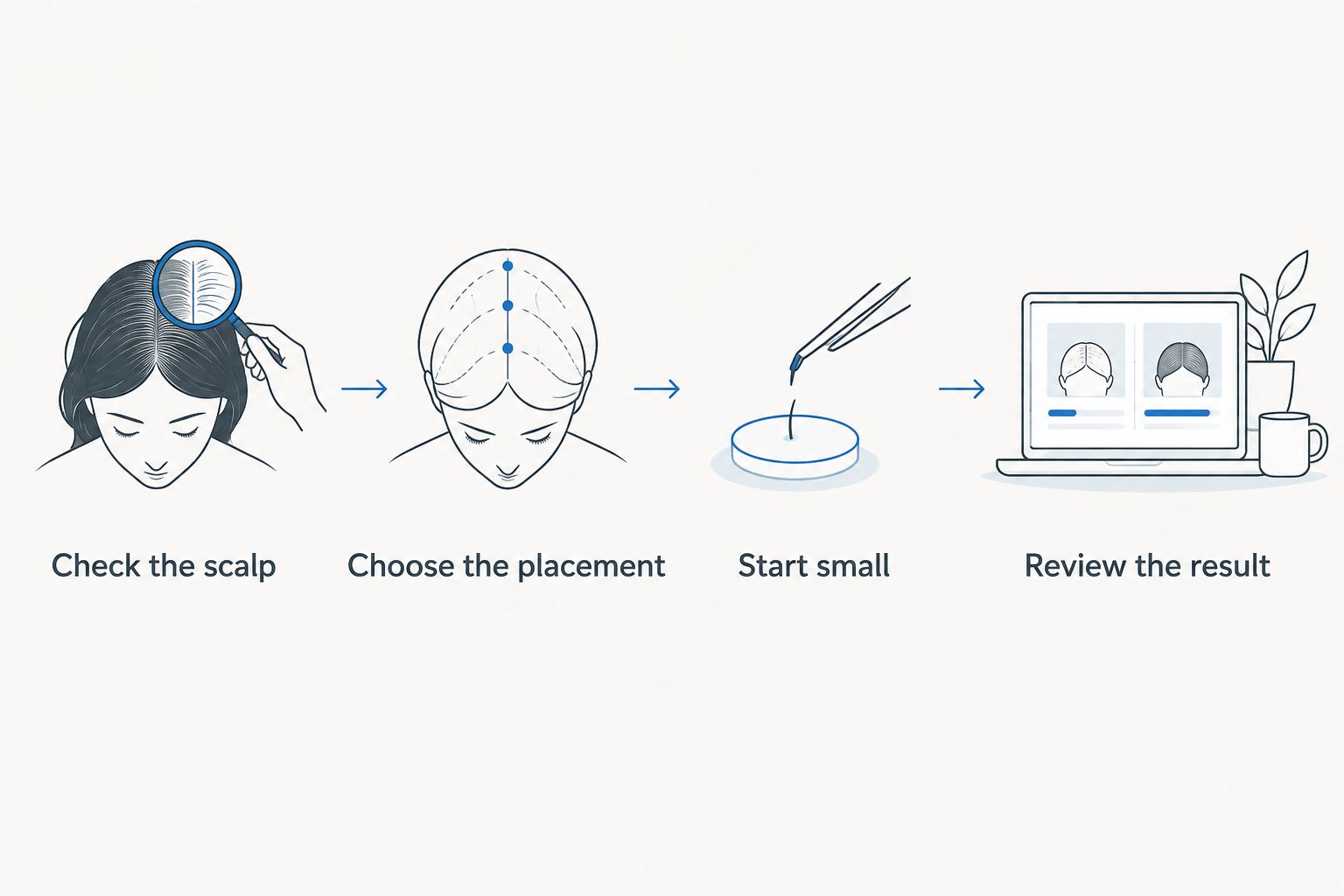
- Check the scalp: Look for persistent redness, soreness, itching, or flakes before adding oil.
- Choose the placement: Keep cosmetic oil on dry lengths when the roots are already greasy.
- Start small: Begin with a minimal amount, distribute it through your hands, and apply evenly.
- Review the result: After your usual wash, decide whether the added step improved manageability or simply left residue.
Do not copy an overnight routine simply because it is popular. Follow the finished product’s instructions, and stop using it if you develop irritation. Avoid forceful massage or repeated rubbing on an uncomfortable scalp.
If oil makes your next wash harder, reduce the amount or remove that step. You do not need to keep applying a product to complete a ritual.
How this 2026 ranking was decided
This is brand-published guidance from Asian Treasures, not an independent laboratory comparison. The ranking prioritizes targeted application, ingredient clarity, a practical wash routine, and realistic cosmetic expectations.
The American Academy of Dermatology’s hair-care guidance supports washing according to scalp needs and distinguishing hair shedding from hair loss. Its dandruff guidance describes dandruff shampoos as a treatment approach; cosmetic oil is not a substitute for appropriate assessment and care.
The coconut-oil study addresses hair-protein loss, not clinical regrowth. Ingredient evidence also does not transfer automatically to a finished product with a different formula. Those boundaries matter more than a persuasive before-and-after photograph.
Which hair oil should you choose in 2026?
Choose squalane first if your problem is dry ends alongside oily roots. Choose jojoba for section-by-section application, argan for a finishing step, or coconut oil when you specifically want a wash-out treatment.
If your scalp and lengths already feel comfortable, skip the extra oil. If your concern is thinning, widening part lines, bald patches, or persistent scalp symptoms, prioritize a dermatologist rather than changing oils repeatedly.
For shoppers in Pakistan, compare the complete ingredient list and usage directions before ordering. “Natural,” “growth,” and “lightweight” describe positioning or intended use; they do not establish clinical results.
FAQ
What is the best hair oil for oily scalp in 2026?
Squalane is this guide’s first choice for dry ends when your scalp is oily. Apply it to lengths rather than expecting it to reduce scalp oil production.
Should I oil my scalp if it already gets greasy?
You do not need to add oil to an already-greasy scalp. Keep conditioning focused on dry lengths and adjust washing to your scalp’s needs.
Is jojoba oil better than coconut oil for oily roots?
Neither jojoba nor coconut oil is a treatment for oily roots. Jojoba fits targeted cosmetic application, while coconut oil has a clearer role here as a wash-out treatment for lengths.
Can hair oil stop shedding or regrow thinning hair?
Cosmetic hair oil is not an established treatment for medical hair loss. Improving the feel of a strand or reducing grooming damage is different from treating shedding from the follicle.
Does an oily, flaky scalp need more oil?
An oily, flaky scalp does not automatically need more oil. The American Academy of Dermatology describes dandruff shampoos as a treatment approach; persistent or uncomfortable symptoms need assessment.
Is Asian Treasures Hair Revival Oil proven to suit oily scalps?
Oily-scalp suitability is not established by the product information supporting this guide. Its traditional botanical blend is a preference-based distinction, not proof of oil control or regrowth.
How much oil should I use on dry ends?
Start with the smallest amount you can distribute evenly; 1 drop is a cautious trial for a concentrated oil. Follow the finished product’s directions and reduce or stop use if your hair feels coated.
One last thing
Before replacing another bottle in 2026, change the placement. Leave the scalp alone and apply a trace only where the strands feel rough. If that does not improve your routine, you have learned something useful: more oil is not necessarily the missing step.
Related guides
- Best hair oil for dry hair
- Best hair growth oil: separate cosmetic care from growth claims
- Best hair oil for curly and coily hair
[…] Lightweight hair oil for an oily scalp […]