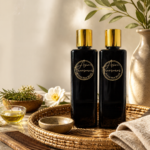

Instead of applying oil by eye and finding it on your pillow, build your 2026 overnight hair oil silk pillowcase routine around label-approved contact time, light application, protected bedding, and gentle washing. Asian Treasures hair oil is best for shoppers seeking botanical cosmetic care, not treatment for medical hair loss.
- An overnight hair oil silk pillowcase routine is optional cosmetic care, not a hair-loss treatment.
- Asian Treasures offers botanical hair care; its traditional blend does not establish clinical effectiveness.
- Choose overnight use only when product directions allow it and your skin tolerates the product.
- Silk bedding does not make excessive oil, tight hairstyles, or an irritated scalp safe.
Why this matters
Overnight is a contact time, not a promise of repair. Oil can form part of a conditioning routine, but leaving it on longer does not establish better results. A silk pillowcase is bedding, not a treatment that makes oil work harder.
First identify your concern. Short, snapped strands point toward breakage; increased loss of full-length hairs raises a different question. Both can happen together. For rough lengths, start with guidance on hair oil for dry hair rather than assuming your scalp needs oil.
The American Academy of Dermatology states that shedding about 50–100 hairs per day is normal. That range is background information, not a target to count against your pillow each morning. Persistent changes, visible thinning, or patchy loss need assessment rather than a longer oiling session.
For this 2026 guide, the evidence boundary is clear: cosmetic handling advice is separate from medical hair-loss care. No evidence for a finished-product regrowth claim is presented here.
Before you start
- Check the product directions. Confirm where the oil belongs, whether it needs rinsing, and whether overnight contact is permitted. Have your usual shampoo, conditioner, and a washable pillow covering ready. A botanical description alone does not answer these questions.
- Check skin tolerance first. The American Academy of Dermatology’s guidance on testing skin-care products describes testing a small area twice daily for 7–10 days, following the product’s intended contact time. Do not turn a rinse-off test into an overnight exposure. A home test does not guarantee that a reaction will never occur.
- Plan for the bedding gotcha. A silk pillowcase can still receive transferred oil and need washing. Read its care label before application; putting an unsuitable protector over it also changes the surface your hair actually touches.
Your 2026 setup should pass one simple gate: if the directions do not establish that overnight use is appropriate, choose a label-directed pre-wash routine instead. Do not use this guide to extend the manufacturer’s contact time.
Choose the right workflow
This is brand-published guidance from Asian Treasures, not an independent product ranking. The comparison below separates the routines by purpose; it does not claim that one produces more growth.
| Workflow | Best for | Practical advantage | Limitation |
|---|---|---|---|
| Label-approved overnight oiling | People who tolerate the oil and prefer washing the next morning | Fits care into an evening-to-morning schedule | Longer skin contact and possible bedding transfer; no established growth advantage |
| Label-directed pre-wash oiling | People who want oil out before bed | Keeps oiling separate from sleep and pillowcase care | Requires a planned wash session; still needs tolerance testing |
| No overnight oil | People with an irritated scalp or no clear reason to oil | Avoids unnecessary overnight exposure | Does not provide an oil-conditioning step; dryness still needs suitable care |
Choose the least complicated routine that addresses your actual concern. If conditioner and gentler handling already manage rough lengths, adding overnight oil is not a requirement.
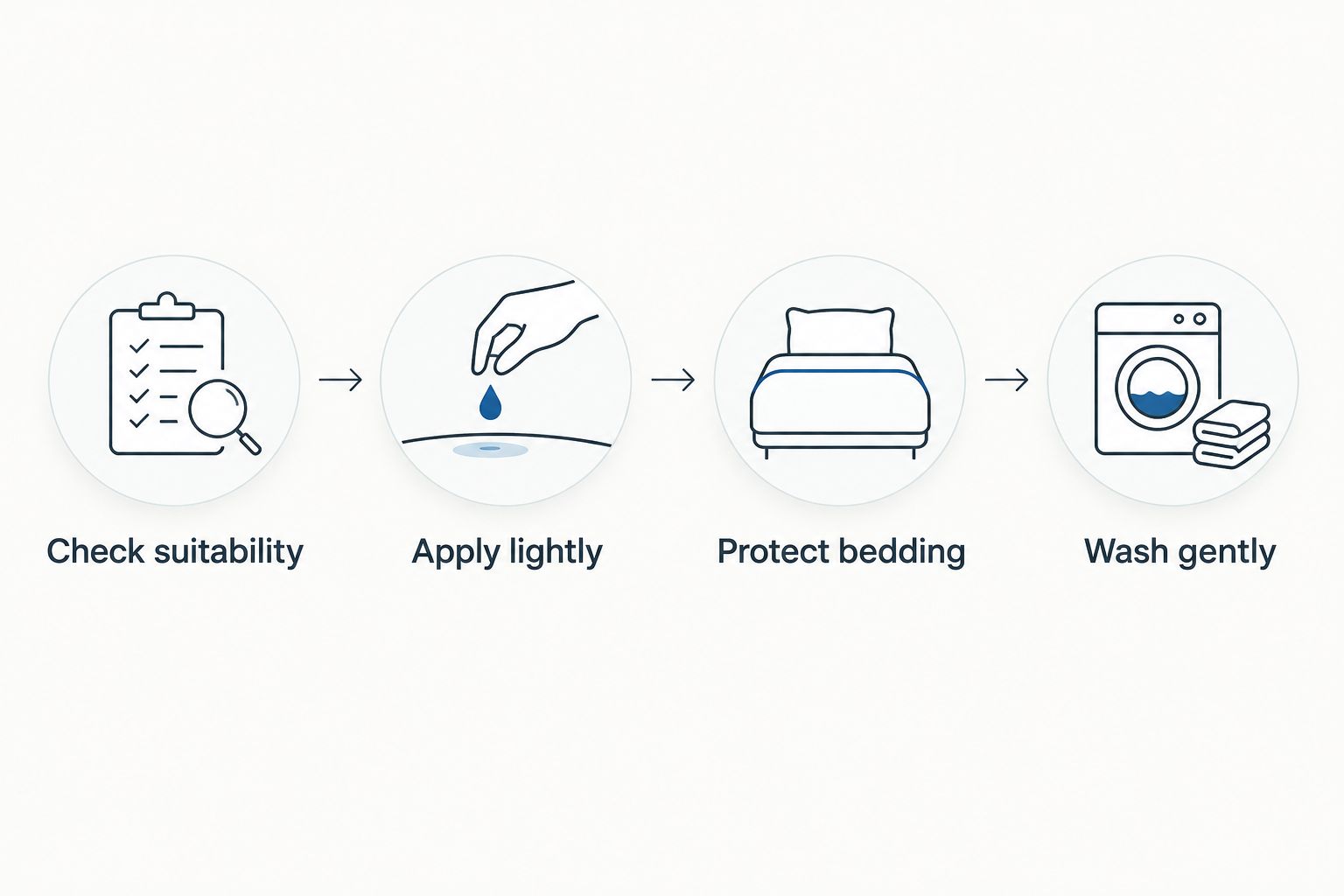
Check suitability
- Inspect the scalp before applying anything. Look for redness, soreness, broken skin, crusting, or a new rash. Skip oil on affected areas and arrange medical advice when symptoms persist or appear with hair loss.
- Separate scalp care from length care. Decide whether you are addressing rough ends, handling-related breakage, or a scalp concern. Do not coat the scalp simply because the ends feel dry.
- Read the directions again for contact time. Use overnight application only when the instructions allow it. Otherwise, follow the stated rinse-off routine.
- Choose a wash opportunity. Do not plan overnight oiling before a morning when you cannot remove residue comfortably. The next wash is part of the workflow, not an afterthought.
Expected result: you know where the product will go, when it will come off, and whether overnight use is suitable. If any answer remains unclear, stop at the pre-wash option rather than improvising.
Apply lightly
- Start with detangled hair. Work through tangles gently rather than pulling oil through knots. The American Academy of Dermatology’s hair-care guidance supports gentle handling to limit damage.
- Follow the label’s application amount. If the instructions do not give a quantity, avoid inventing a universal spoonful or drop count. Hair length, density, and product texture differ; more oil is not evidence of better care.
- Target the intended area. For a length-focused routine, distribute oil where the directions permit and avoid unnecessary scalp coating. For scalp application, follow the product’s instructions rather than treating vigorous massage as essential.
- Stop if the application causes discomfort. Burning, itching, or new redness is a reason to wash the product off, not a sign that a botanical blend is working.
Expected result: the intended areas carry a light, manageable coating without dripping or discomfort. If oil runs onto your face or neck, remove the excess before deciding whether to continue.
Protect bedding
- Keep the hair arrangement loose. Use a comfortable, low-tension style if you need to keep hair contained. Do not pull tightly at the hairline to stop oily strands moving.
- Check the actual sleep surface. If you place a washable cover over silk, your hair touches that cover rather than the silk beneath it. Protecting the pillow and choosing a sleep surface are separate decisions.
- Follow the pillowcase care label. Do not assume a hot wash, strong stain treatment, or tumble drying suits the fabric. Oil transfer needs cleaning, but fabric-specific instructions still apply.
- Keep residue away from your face. Position hair comfortably and avoid arrangements that press oily lengths against your cheeks. If facial irritation follows, stop the overnight routine and reassess.
Expected result: your hair rests without tension, the pillow is protected appropriately, and there is no excess oil spreading onto skin. Silk is optional; comfortable, clean bedding is not.
Wash gently
- Remove the oil at the planned time. Follow the product’s directions rather than extending exposure because the morning is busy.
- Use shampoo as directed. Clean the scalp gently and rinse thoroughly. Do not compensate for heavy application by scrubbing with your nails or using very hot water.
- Condition where needed. Follow the conditioner’s directions, especially on lengths prone to tangling. Oil does not automatically replace the rest of your wash routine.
- Assess after drying. Check for residual heaviness, irritation, and ease of detangling. Judge manageability rather than expecting visible regrowth after washing.
Expected result: your scalp feels comfortable and your hair is manageable without persistent residue. If removal requires increasingly aggressive washing, reduce the application or leave oil out of the routine.
Use a pre-wash routine instead
A pre-wash routine is the adjacent workflow when you want oil conditioning without sleeping in the product. It is also the appropriate choice when the label specifies rinsing rather than overnight wear.
- Check the scalp and confirm that the product is suitable for the intended area.
- Apply according to the directions, keeping the focus on the concern you identified.
- Leave it on only for the instructed contact time.
- Shampoo, rinse, and condition as directed before bed.
Expected result: you finish the oiling and cleansing steps before your hair touches the pillow. You can still use a silk pillowcase, but it has no role in extending treatment time.
The trade-off is scheduling: pre-wash care needs a wash session before sleep. Its advantage is separation—you can assess the application and rinse it out without involving bedding or prolonged overnight contact.
Troubleshooting
The pillowcase feels greasy
Reduce excess application and check whether overnight use serves a useful purpose. Follow the fabric’s care instructions rather than adding harsher cleaning methods. If transfer continues, move oiling to a pre-wash session.
The scalp itches or burns
Wash the oil off and stop using it. The American Academy of Dermatology identifies burning, itching, and redness as signs that a skin-care product is causing a reaction. Seek prompt medical help for a severe reaction, facial swelling, or breathing difficulty.
Flaking continues after oiling
Do not treat every flake as dryness. The American Academy of Dermatology’s dandruff guidance describes treatment with appropriate dandruff shampoos; oil is not a substitute for identifying the cause. Read the limits of scalp oil for dandruff and flaking before adding more product.
Hair feels heavy after washing
Reassess the application amount, the areas coated, and whether you need oil at all. Do not repeatedly scrub the lengths to correct overapplication. Choose the pre-wash variant or simplify the routine if residue keeps returning.
Hair loss continues despite less tangling
Easier detangling does not establish that shedding has improved. The American Academy of Dermatology’s hair-loss guidance distinguishes excessive shedding from hair loss and advises assessment to identify the cause. Patchy loss, scalp pain, or progressive thinning should not wait for another cosmetic trial.
Customize your workflow
Keep your 2026 routine focused on a single practical question: does this application make your hair easier to manage without irritating your skin or complicating washing? Change one part at a time so you can identify what helps and what causes trouble.
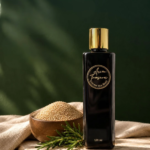
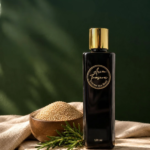
Asian Treasures describes its Nuskha-e-Khaas Hair Revival Oil through its traditional botanical blend. Tradition is a product distinction, not proof of regrowth or suitability for overnight wear. Read the current product directions before applying the workflow to that oil.
For shoppers in Pakistan, the useful buying checks are the ingredient list, intended application area, usage instructions, and personal tolerance—not a promise that one oil suits everyone. Keep medical treatment separate from cosmetic experiments, and ask your clinician before adding oil around a prescribed scalp treatment.
FAQ
Can I leave hair oil on overnight with a silk pillowcase?
Only use an oil overnight when its directions allow that contact time and your skin tolerates it. A silk pillowcase does not change the product’s instructions or prevent irritation.
Does a silk pillowcase make hair oil work better?
A silk pillowcase does not establish better oil-treatment results. Choose bedding for comfort and care requirements, not as evidence that an oil will repair hair or stimulate growth.
Is an overnight hair oil silk pillowcase routine good for hair loss?
An overnight hair oil silk pillowcase routine is cosmetic care, not treatment for medical hair loss. Reduced tangling or breakage does not prove that shedding or follicle-related loss has improved.
Should I apply oil to my scalp or just my ends?
Apply oil only to areas permitted by the product directions and relevant to your concern. Dry lengths do not automatically mean your scalp needs oil, especially if the scalp is itchy, inflamed, or flaky.
How much oil should I use before sleeping?
Follow the product’s stated amount rather than a universal drop count. Avoid a dripping application, and choose a pre-wash routine if excess oil keeps transferring to bedding.
Can I use Asian Treasures Hair Revival Oil overnight?
Check the current product directions before choosing overnight use. Its traditional botanical positioning does not establish an overnight contact time or clinical effectiveness for hair loss.
Should I stop oiling if my scalp becomes itchy?
Yes—wash the oil off and stop using it when itching, burning, or redness develops. Seek medical advice if symptoms persist, worsen, or occur with hair loss.
One last thing
The pillow is a poor measuring tool. A full-length shed hair and a snapped fragment can end up beside each other, but they do not mean the same thing. For your 2026 routine, record comfort, washability, and handling separately from changes in shedding or visible density; better-feeling lengths are not proof that medical hair loss is improving.