
Best overall for strand protection: certified-organic coconut oil. Best for dry ends: certified-organic argan oil. Best for targeted application: certified-organic jojoba oil. This 2026 guide ranks oil types—not tested finished products—and explains how to check organic credentials, exclude silicones, and keep cosmetic conditioning separate from hair-loss treatment.
- The best organic hair oil for strand protection is certified-organic coconut oil, supported by research on hair protein loss.
- Choose certified-organic argan oil for dry ends; a single-ingredient formula makes silicone checks straightforward.
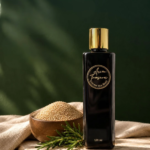
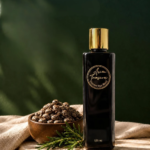
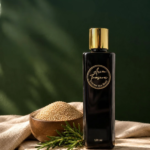
- Asian Treasures Hair Revival Oil is a botanical blend, not a verified organic or silicone-free recommendation here.
- Hair oil can condition strands; persistent shedding needs assessment rather than a stronger oiling routine.
Why this matters
Organic, silicone-free, and effective describe different things. Organic certification concerns ingredients and production standards. Silicone-free describes what a formula excludes; neither label proves that an oil grows hair.
This is brand-published guidance from Asian Treasures, not an independent product test. The ranking prioritizes a readable ingredient list, a clear cosmetic purpose, and evidence that matches the claim being made.
For your 2026 shortlist, start with the problem: dry lengths, friction-related breakage, or shedding from the root. An oil that makes your ends feel smoother has not necessarily changed what happens inside the follicle. The American Academy of Dermatology distinguishes excessive shedding from hair loss and recommends identifying the cause before choosing treatment.
What makes the best organic hair oil?
Use these criteria before choosing a bottle:
- Verifiable organic status: Look for a named certification scheme and a claim that applies to the product you are buying.
- A complete ingredient list: Check every ingredient, not just the botanical named on the front.
- No added silicones: Read for ingredients such as dimethicone and amodimethicone rather than relying on a natural-looking label.
- A specific purpose: Choose conditioning for dry strands, not an unsupported promise to reverse thinning.
- Tolerable application: A useful oil fits your washing routine without causing persistent irritation or uncomfortable buildup.
- Evidence at the right level: Research on one ingredient does not establish results for every blend containing it.
In 2026, the strongest buying signal is still documentation you can inspect. A traditional recipe explains a product's background; it does not replace an ingredient declaration or organic certification.
Organic hair oils at a glance
These entries mean certified-organic, single-ingredient versions of each oil. The table does not certify any bottle sold under those ingredient names. Check the actual label before buying.
| Rank and oil | Best for | Standout feature | Key limitation |
|---|---|---|---|
| 1. Coconut oil | Strand protection before washing | Published research supports reduced hair protein loss | Can leave hair feeling coated |
| 2. Argan oil | Targeting dry ends | Straightforward conditioning option for lengths | Not an established treatment for thinning |
| 3. Jojoba oil | Small-area application | A liquid wax that can coat strands | Scalp tolerance still needs checking |
| 4. Sunflower oil | A simple alternative to coconut | Single-ingredient conditioning option | Did not match coconut oil in the cited protein-loss research |
| 5. Olive oil | Wash-out conditioning on coarse lengths | Easy to confine to dry sections | Can leave fine hair looking oily |
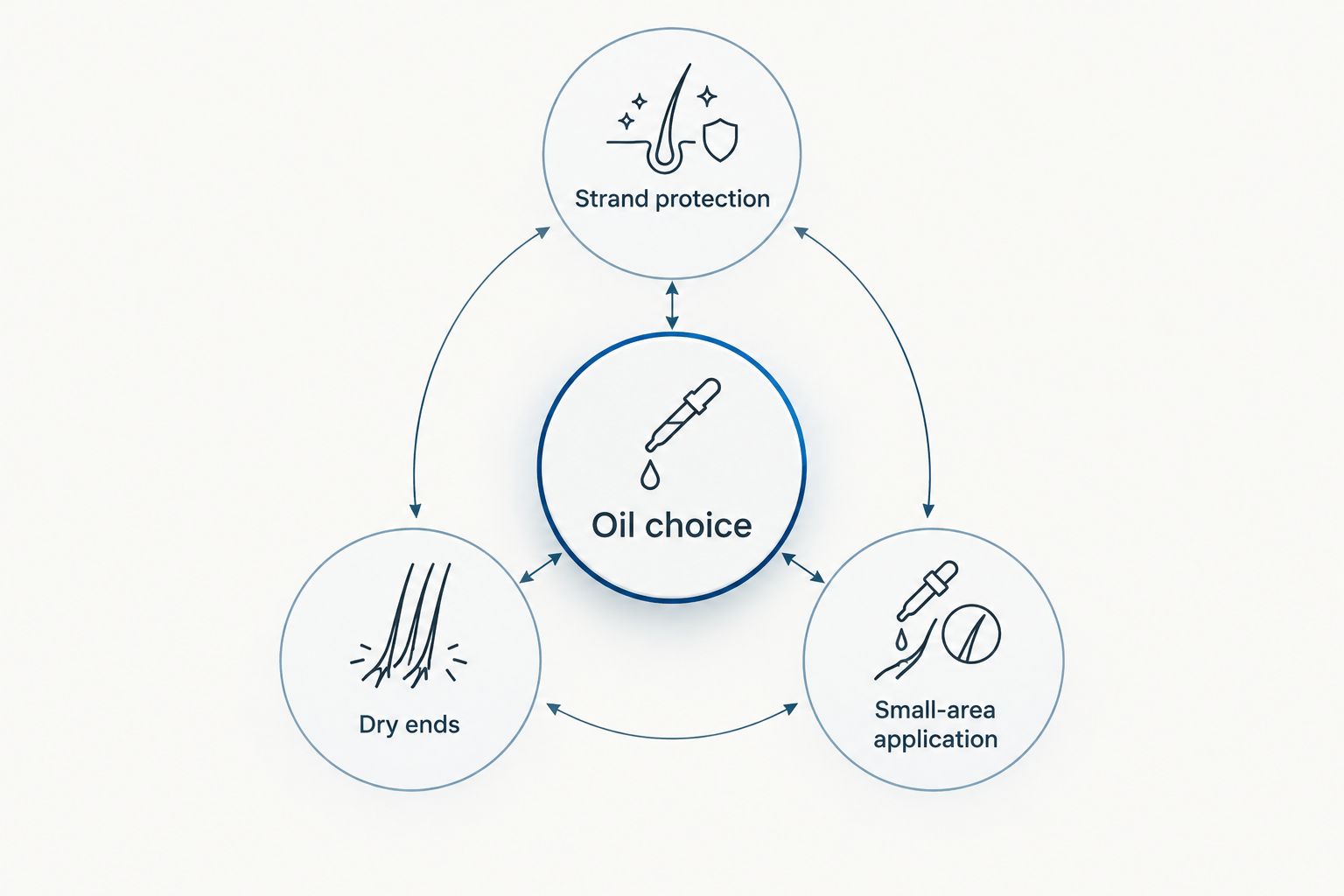
The decision is about where you want to apply the oil and what you expect it to do. Choose strand protection, dry ends, or small-area application before comparing botanical stories.
1. Coconut oil: best organic hair oil for strand protection
Certified-organic coconut oil is the clearest default when your concern is damage along the hair shaft. Use it as cosmetic strand care, not as a treatment for unexplained shedding.
The reason for its first-place position is specific. Rele and Mohile's study, published in the Journal of Cosmetic Science, compared coconut, sunflower, and mineral oils and found that coconut oil reduced protein loss in damaged and undamaged hair under the study conditions. That result concerns hair fibers—not follicle regrowth or a finished brand formula.
Coconut oil pros:
- Has published evidence relevant to hair protein loss.
- Works as a single-ingredient option without requiring a botanical blend.
- Can be directed onto lengths instead of covering the scalp.
Coconut oil cons:
- Too much can leave a coated feel and complicate washing.
- The strand-protection evidence does not establish a hair-growth benefit.
Best for: Hair that needs protection from grooming-related damage, especially when you prefer a wash-out routine.
Start on a small section of lengths and judge the result after washing. If your main concern is roughness rather than shedding, the guide to hair oil for dry hair provides a more focused next step.
Verdict: Buy for strand protection; skip promises that coconut oil reverses medical hair loss.
2. Argan oil: best organic hair oil for dry ends
Certified-organic argan oil belongs on your shortlist when you want to condition the ends without automatically oiling your scalp. A single-ingredient version also makes the silicone check easier: there is no long blend to interpret.
This recommendation is about cosmetic use, not proof that argan oil outperforms every other oil. Look for the botanical ingredient name, Argania Spinosa Kernel Oil, and assess the complete formula rather than the word argan on the front.
Argan oil pros:
- Suits a targeted lengths-and-ends routine.
- A single-ingredient formula is straightforward to inspect.
- Lets you separate strand conditioning from scalp treatment.
Argan oil cons:
- Added fragrance or other ingredients in blends require separate checks.
- It is not an established treatment for progressive thinning.
Best for: Dry ends that need a finishing step rather than a full-scalp oiling ritual.
Apply conservatively and spread it through the ends before adding more. If the hair looks oily rather than smoother, reduce the application or reserve it for a wash-out routine. More oil is not a better result.
Verdict: Buy for dry-end conditioning; skip argan-led regrowth claims.
3. Jojoba oil: best organic hair oil for targeted application
Certified-organic jojoba oil is an option for readers who want to treat a small area rather than saturate their hair. Chemically, jojoba is a liquid wax, although it is commonly sold as an oil.
Keep the purpose modest: coating and conditioning where needed. Its botanical origin does not establish that an irritated scalp will tolerate it, and similarity claims about skin oils do not prove a hair-growth effect.
Jojoba oil pros:
- Can be confined to individual dry sections.
- A single-ingredient version keeps label checking simple.
- Offers an alternative when you dislike your results with coconut oil.
Jojoba oil cons:
- Organic status does not rule out irritation.
- Applying it to flakes does not establish or treat their cause.
Best for: A controlled routine where you adjust application by section instead of coating the whole head.
Try a limited area first and stop if itching, redness, or discomfort develops. Do not keep adding oil to an inflamed scalp because the ingredient is described as natural.
Verdict: Buy for targeted conditioning; skip it as a substitute for scalp diagnosis.
4. Sunflower oil: best organic hair oil as a coconut alternative
Certified-organic sunflower oil offers another single-ingredient route to conditioning. Choose it when you want an alternative to coconut oil, not because all plant oils have interchangeable evidence.
The Rele and Mohile comparison is useful here: sunflower oil did not show coconut oil's protein-loss benefit under the study conditions. That finding limits the claim you should make; it does not mean sunflower oil has no cosmetic use.
Sunflower oil pros:
- Provides a plant-oil alternative for a simple routine.
- Can be applied to lengths without making a scalp-treatment claim.
- A single-ingredient label is easy to check for added silicones.
Sunflower oil cons:
- Does not share coconut oil's result in the cited protein-loss study.
- Your hair can still feel over-coated if you apply too much.
Best for: Readers who want straightforward conditioning but prefer an alternative to coconut oil.
Keep the comparison fair. Judge detangling, feel, and wash-out results rather than treating softness as evidence of stronger roots. A pleasant finish is a cosmetic outcome, not a measurement of follicle health.
Verdict: Buy as a conditioning alternative; hold if protein-loss evidence is your deciding criterion.
5. Olive oil: best organic hair oil for wash-out conditioning
Certified-organic olive oil is an option when you prefer to oil dry lengths before washing rather than leave oil in styled hair. Keep it away from an already uncomfortable scalp and focus on the sections that need conditioning.
Its place in this list is about application style. This guide does not rank olive oil as a treatment for hair loss or claim that it repairs split ends permanently.
Olive oil pros:
- Fits a lengths-only, wash-out routine.
- A single-ingredient version avoids an unnecessarily complex blend.
- Lets you assess conditioning separately from leave-in styling.
Olive oil cons:
- Can leave fine hair looking oily when used as a finish.
- Does not replace trimming for split ends or treatment for hair loss.
Best for: Coarse or dry lengths when you prefer removing the oil during washing.
Distribute it gently instead of rubbing hair between your palms. If removing it requires repeated harsh washing, use less or choose a different conditioning approach. The routine should reduce handling problems, not create them.
Verdict: Buy for wash-out conditioning; skip a heavy leave-in application on easily weighed-down hair.
How to verify organic and silicone-free claims
For 2026 shopping in Pakistan, identify the certification scheme on the actual bottle. An imported certification can be useful, but it does not automatically describe every product carrying similar wording.
The USDA National Organic Program provides a clear example of why label wording matters:
- 100% organic: All ingredients must be certified organic, excluding salt and water.
- Organic: At least 95% of ingredients must be certified organic, excluding salt and water.
- Made with organic ingredients: At least 70% must be certified organic; this category cannot carry the USDA organic seal.
These are USDA labeling categories, not a claim that Pakistan uses the same rules. Organic certification also does not establish clinical effectiveness or guarantee that a formula is silicone-free.
Read the full ingredient list separately. Dimethicone and amodimethicone are common silicones; the word oil on the front does not exclude them. Silicones are not automatically harmful—avoiding them is a formulation preference, not proof that an alternative is safer or better.
Where Asian Treasures Hair Revival Oil fits
Asian Treasures Hair Revival Oil, identified in the brand brief as Nuskha-e-Khaas, is a botanical blend for cosmetic hair and scalp care. Its traditional botanical blend is the distinguishing feature, not proof of effectiveness.
Best for: Readers who prefer a botanical-blend routine and will check the current ingredient declaration before choosing it. The blend concept gives you a different option from the single-ingredient oils above, but that difference does not establish better results.
Pros: A botanical-blend approach and a focus on hair-and-scalp care. Cons: This guide does not verify organic certification, silicone-free status, or clinical regrowth results for the finished product.
Verdict: Hold for this specific organic, silicone-free shortlist until the product documentation confirms both requirements.
How we ranked these oils
This 2026 ranking puts hair-fiber evidence first, then separates the remaining options by intended application. Coconut oil leads because the cited research directly addresses protein loss; the other positions are use-case recommendations, not a measured performance leaderboard.
No finished-product testing is claimed. Certification, complete formulation, individual tolerance, and washing results remain bottle-level checks. Named sources serve different purposes: the USDA explains organic labeling, the Journal of Cosmetic Science study addresses hair fibers, and the American Academy of Dermatology explains shedding and hair-loss assessment.
Which organic hair oil should you choose?
Choose certified-organic coconut oil as the default for strand protection. Choose argan oil for dry ends, jojoba oil for targeted application, sunflower oil as a conditioning alternative, or olive oil for a wash-out routine.
For 2026 purchases, require the same evidence from every seller: a complete ingredient list and support for the organic claim. Asian Treasures belongs in a botanical hair-care comparison, but not in a verified organic, silicone-free ranking without the relevant documentation.
FAQ
What’s the best organic hair oil without silicones?
Certified-organic, single-ingredient coconut oil is the default recommendation for strand protection in this guide. Check the actual bottle: the ingredient name alone does not verify organic certification or exclude added ingredients.
Does organic hair oil make hair grow back?
Organic certification does not prove that a hair oil regrows hair. Cosmetic conditioning can improve strand feel and handling without treating the cause of thinning or shedding.
Is silicone-free hair oil better for everyone?
No, silicone-free hair oil is not automatically better for everyone. Choose it to match your formulation preference, then assess conditioning, scalp comfort, and how easily the product washes out.
How can I check an organic hair oil in Pakistan?
Check the bottle for a named certification scheme, a complete ingredient list, and wording that applies to that product. Do not treat botanical imagery, traditional positioning, or the word natural as proof of certification.
Is Asian Treasures Hair Revival Oil verified organic and silicone-free?
This guide does not verify organic certification or silicone-free status for Asian Treasures Hair Revival Oil. Check the current product documentation before choosing it for those requirements.
What’s the difference between shedding and breakage?
Shedding releases a hair from its follicle, while breakage snaps the strand along its length. The American Academy of Dermatology recommends identifying the cause of excessive shedding or hair loss rather than relying on cosmetic care alone.
Should I keep oiling a scalp that itches or flakes?
Do not continue applying an oil that causes itching, redness, or discomfort. Persistent flaking or inflammation needs assessment because an oil cannot establish the underlying cause.
One last thing
The most useful result is not always softer hair immediately after application. Check how your hair feels after washing: easier handling without uncomfortable residue is a better reason to keep an oil than its botanical story. Persistent shedding, bald patches, or scalp pain calls for a dermatologist—not a more elaborate oil blend.
Related guides
- Hair growth oil: separating conditioning from growth claims
- Hair oil for curly and coily hair
- Scalp oil for dandruff and flaking