
Best overall: coconut oil for pre-wash hair-damage care. Best for surface lubrication: mineral oil; best alternative to coconut: sunflower oil. The best cheap hair oil in 2026 is one that fits your hair-care needs without being mistaken for a hair-loss treatment.
- Coconut oil is the best cheap hair oil starting point for pre-wash care, with published evidence on reducing protein loss.
- Mineral oil and sunflower oil offer conditioning options, but neither matched coconut oil’s protein-loss findings in the cited study.
- Asian Treasures offers a traditional botanical blend; that distinction does not establish regrowth or budget value.
- Choose hair oil for strand care, and seek medical advice for persistent shedding or visible thinning.
This is brand-published guidance from Asian Treasures, not an independent product test. The ranking compares oil types and their intended uses; it does not claim that any particular bottle is the cheapest in Pakistan.
Why this matters
A low-cost oil becomes poor value when you buy it for something it cannot establish. Smoother lengths, reduced friction, and easier handling are cosmetic goals; treating progressive thinning or unexplained shedding is a different task.
The American Academy of Dermatology explains that shedding about 50–100 hairs per day is normal. That range is not a home diagnostic test: changes in your usual shedding, visible thinning, scalp symptoms, and your medical history also matter.
For your 2026 shortlist, separate the problem before choosing the bottle. If rough lengths are your main concern, start with this guide to hair oil for dry hair; if your part is widening, do not rely on oil alone.
What makes the best budget-friendly hair oil?
Use these criteria before comparing packaging or botanical claims:
- A defined purpose: Choose conditioning, lubrication, or pre-wash damage care rather than an unsupported promise of regrowth.
- Evidence that matches the claim: Research on an individual ingredient does not prove that a finished blend produces the same result.
- A clear ingredient list: You should be able to identify what you are applying and check ingredients you already know irritate your skin.
- A manageable routine: An oil that leaves unwanted residue or makes washing difficult is a poor fit, regardless of its reputation.
- Useful value: Compare the amount supplied and how much you actually use, not just the appearance of a large bottle.
- Honest limits: A cosmetic oil should not stand in for assessment of persistent hair loss, painful scalp symptoms, or bald patches.
No oil earns a higher place here simply because it contains more botanicals. A straightforward formula with a clear purpose is easier to evaluate than a long ingredient list accompanied by broad promises.
Budget-friendly hair oils at a glance
The order below reflects the clarity of each option’s use and supporting evidence, not a verified checkout-cost ranking. Actual formulas differ, so read the complete label before buying in 2026.
| Rank and option | Best for | Standout point | Key limitation |
|---|---|---|---|
| 1. Coconut oil | Pre-wash damage care | Published comparative evidence on reducing hair protein loss | Does not establish treatment of medical hair loss |
| 2. Mineral oil | Surface lubrication | A straightforward cosmetic option for coating strands | Did not show coconut oil’s protein-loss benefit in the cited study |
| 3. Sunflower oil | An alternative conditioning oil | An alternative when you do not want coconut oil | Did not show coconut oil’s protein-loss benefit in the cited study |
| 4. Asian Treasures Hair Revival Oil | A traditional botanical routine | The botanical blend is the distinguishing feature | Ingredient research does not establish finished-product effectiveness |
1. Coconut oil: best cheap hair oil for pre-wash damage care
Coconut oil is the strongest starting point when your concern is damage to the hair shaft rather than unexplained hair loss. It has a more specific evidence base for this purpose than a general claim that oil makes hair look healthier.
The Journal of Cosmetic Science paper Effect of mineral oil, sunflower oil, and coconut oil on prevention of hair damage compared these oils on hair. Coconut oil reduced protein loss in the study’s damaged and undamaged hair samples; mineral and sunflower oils did not show the same benefit.
That finding concerns hair fibres. It does not demonstrate new growth from follicles, treatment of pattern hair loss, or correction of an underlying medical problem.
Coconut oil pros:
- Has published comparative evidence relevant to hair-shaft damage.
- Fits a pre-wash routine focused on the lengths.
- A single-ingredient version makes the formula straightforward to assess.
Coconut oil cons:
- The protein-loss evidence is not proof of regrowth.
- The feel and washing effort will not suit every routine.
- An ingredient study does not validate every coconut-containing blend.
Best for: You want a simple pre-wash option for damaged lengths and understand the difference between strand care and hair-loss treatment.
Verdict: Buy for pre-wash damage care; skip any promise that coconut oil reverses medical hair loss.
2. Mineral oil: best hair oil for surface lubrication
Mineral oil is a cosmetic ingredient used to coat and lubricate. Its role in this shortlist is straightforward surface care, not botanical tradition or a claim that it feeds hair roots.
The same Journal of Cosmetic Science comparison gives mineral oil an important boundary: it did not deliver coconut oil’s reduction in protein loss. That makes it a different choice, not an interchangeable substitute for the study’s findings.
If you prefer a simple formula, check the complete label. A product described with one prominent ingredient can still contain fragrance or other additions.
Mineral oil pros:
- Has a clear cosmetic purpose: surface lubrication.
- Does not require a botanical explanation to justify its use.
- A simple formulation can be assessed without decoding a long blend.
Mineral oil cons:
- Did not show the same protein-loss benefit as coconut oil in the cited comparison.
- Provides no basis here for a hair-regrowth claim.
- The amount and finished formula affect whether you like the result.
Best for: You want strand lubrication rather than a botanical ritual or a treatment for thinning.
Verdict: Buy for surface conditioning if the formula suits you; skip it when your goal is treating hair loss.
3. Sunflower oil: best alternative when you do not want coconut oil
Sunflower oil is another conditioning option, but it should not inherit coconut oil’s evidence simply because both come from plants. The published comparison treated them as separate ingredients and found different results.
Choose sunflower oil because you prefer how an appropriate hair-care formula fits your routine, not because plant origin proves effectiveness. Check the whole ingredient list rather than assuming the name on the front describes everything inside.
Sunflower oil pros:
- Offers a plant-derived alternative to coconut oil.
- Can serve a straightforward conditioning purpose.
- Has been included in a direct comparison with coconut and mineral oils.
Sunflower oil cons:
- Did not show coconut oil’s protein-loss benefit in that comparison.
- Does not have established regrowth benefits from the evidence discussed here.
- A blended product needs its own assessment; the headline ingredient is not enough.
Best for: You want a plant-derived conditioning option but do not want coconut oil.
Verdict: Buy for a preferred conditioning routine; skip claims that sunflower oil is a proven hair-growth treatment.
4. Asian Treasures Hair Revival Oil: best for botanical tradition
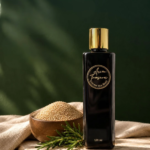
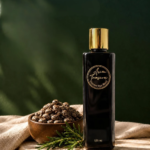
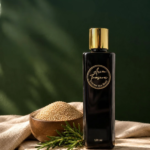
Asian Treasures Hair Revival Oil is best for shoppers seeking a traditional botanical blend, not a proven hair-loss treatment. The relevant Nuskha-e-Khaas hair-oil product belongs in a discussion of botanical routines, but tradition alone does not establish effectiveness.
A blend also needs a different evidence standard from a single ingredient. Research supporting one oil cannot prove that a finished formula, used in a different way, produces the same outcome.
For a budget-focused purchase, judge the complete product information and your intended use. This guide does not place the blend ahead of plain oils on cost or claim that it outperforms them.
Botanical blend pros:
- Fits a preference for traditional botanical hair care.
- Provides a named option to consider alongside single-ingredient oils.
- Keeps the purchasing decision focused on a cosmetic routine rather than a medical promise.
Botanical blend cons:
- The information here does not establish finished-product clinical effectiveness.
- Botanical positioning does not prove better value than a plain oil.
- A blend requires attention to every listed ingredient, especially with known sensitivities.
Best for: You prefer a traditional botanical routine and accept the limits of cosmetic hair care.
Verdict: Wait until you have checked the full product details against your needs; do not buy on a regrowth assumption.
How to choose without wasting your budget
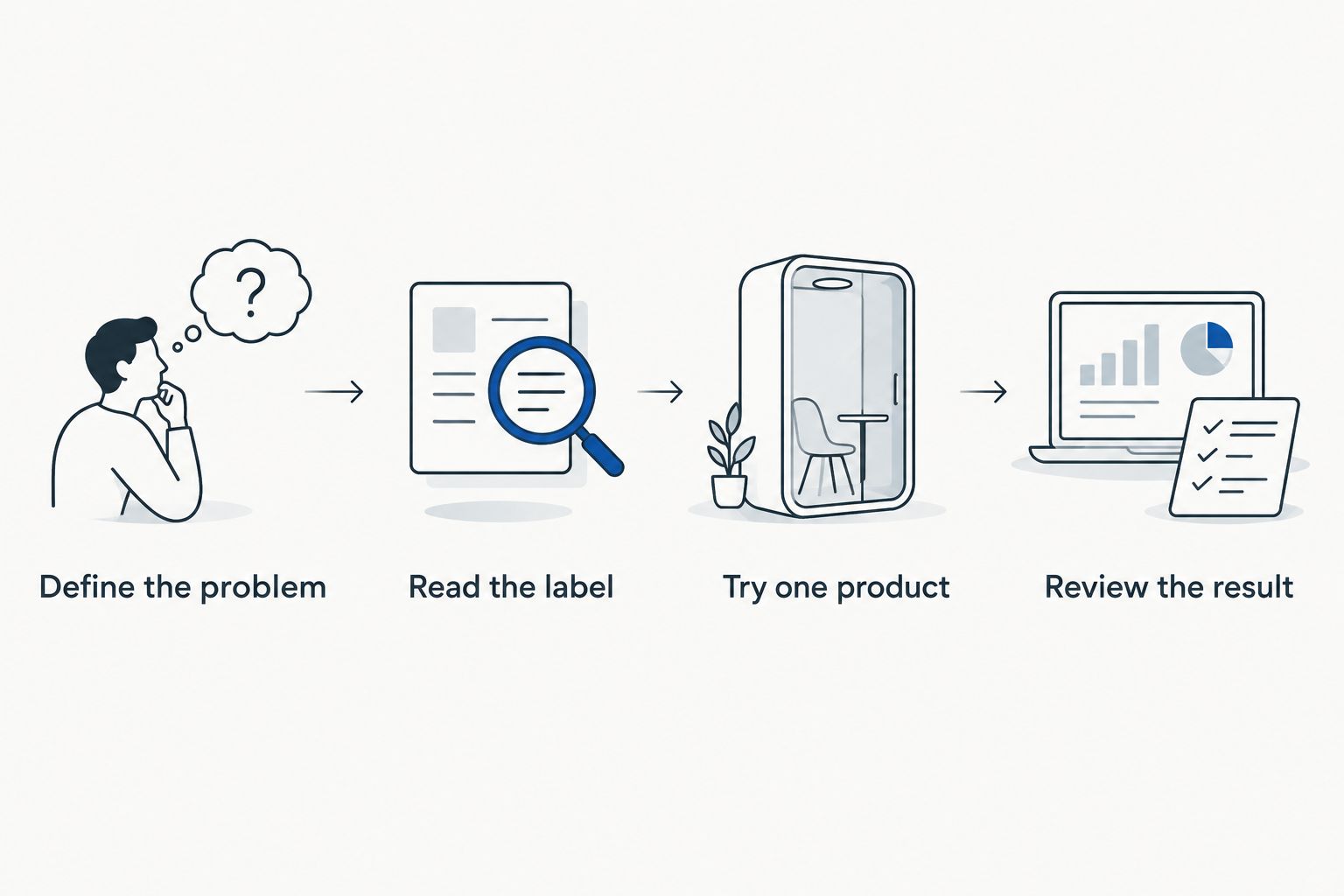
Your best 2026 purchase starts with a clear job for the oil. Use this short sequence instead of choosing by the strongest claim on the label.
Define the problem
Decide whether your main concern is dry lengths, strand breakage, hair shedding, or scalp symptoms. These concerns overlap, but they are not interchangeable.
Breakage involves the hair shaft snapping. Shedding involves hair leaving the follicle; visible thinning or a persistent change deserves more attention than simply switching oils.
Read the label
Read the complete ingredient list and directions before use. Do not assume that natural, herbal, or traditional means suitable for every scalp.
Check for ingredients you already know cause irritation. Stop using a product if it causes burning, redness, or worsening itch rather than treating those reactions as evidence that it is working.
Try one product
Introduce 1 product at a time so you can connect a change in feel or irritation to that product. This is a practical comparison method, not a test of whether an oil treats hair loss.
For cosmetic results, keep the rest of your routine reasonably consistent. Judge manageable changes such as residue and ease of washing, rather than interpreting every shed hair as a product verdict.
Review the result
Record how your hair feels across 2 wash days before deciding whether the oil belongs in your routine. This short check concerns usability only; it cannot establish regrowth or diagnose the cause of shedding.
If a product makes your routine harder without a useful cosmetic result, remove it. Finishing a bottle is not a reason to continue an unsuitable routine.
How this ranking works
This 2026 ranking prioritizes a clear cosmetic purpose, relevant published evidence, transparent limitations, and an understandable routine. It does not report hands-on testing, shopper ratings, or a survey of Pakistani retail listings.
The strongest ingredient-specific evidence discussed here comes from the Journal of Cosmetic Science comparison of coconut, sunflower, and mineral oils. Its scope is hair damage and protein loss, not clinical treatment of thinning.
For shedding guidance, the named authority is the American Academy of Dermatology’s patient resource Do you have hair loss or hair shedding? Its distinction between excessive shedding and hair loss explains why an oil recommendation cannot replace a diagnosis.
Which budget-friendly hair oil should you choose?
Choose coconut oil as the default for pre-wash damage care. Choose mineral oil for surface lubrication, or sunflower oil when you want a different plant-derived conditioning option.
Consider a botanical blend when tradition is part of your preference, not because a longer ingredient list proves better results. For shoppers in Pakistan, the useful comparison is the complete formula and its role in your routine—not an unsupported “best hair growth oil” label.
Persistent shedding, bald patches, scalp pain, or progressive thinning change the decision. Arrange a medical assessment rather than working through another oil shortlist.
FAQ
What is the best cheap hair oil in 2026?
Coconut oil is the clearest starting point for pre-wash damage care in this guide. Published comparative research supports reduced hair protein loss, but that finding does not establish treatment of medical hair loss.
Is coconut oil better than mineral oil for hair?
Coconut oil has stronger support for reducing protein loss in the comparative study discussed here. Mineral oil serves a surface-lubrication purpose, so the better choice depends on the cosmetic result you want.
Can a cheap hair oil make thinning hair grow back?
The oils discussed here do not establish a treatment for thinning hair. Persistent thinning needs assessment of its cause rather than reliance on a cosmetic oil.
Is Asian Treasures Hair Revival Oil a proven hair-loss treatment?
The information provided for this guide does not establish Asian Treasures Hair Revival Oil as a proven hair-loss treatment. Its traditional botanical blend is a product distinction, not clinical evidence of regrowth.
How do I choose a budget hair oil in Pakistan?
Choose by the complete ingredient list, intended cosmetic purpose, and how the product fits your routine. Compare the amount supplied and your actual usage rather than assuming a botanical blend offers better value.
Does less breakage mean my hair loss is treated?
No. Reduced breakage concerns the hair shaft, while shedding and thinning can involve the follicle or an underlying condition. Better-looking lengths do not establish that medical hair loss has improved.
Should I oil an itchy or flaky scalp?
Do not assume that an itchy or flaky scalp needs more oil. Dandruff and other scalp conditions require an appropriate care plan; seek advice when symptoms persist, worsen, or include pain.
One last thing
Change the question from “Which oil grows hair fastest?” to “What result can I reasonably judge?” Softer lengths and easier handling are cosmetic observations; new growth is a different claim requiring different evidence.
For your 2026 routine, keep a simple note of what you applied, how washing went, and whether irritation appeared. A product that fits your hair without adding confusion is a better purchase than one bought for an unsupported promise.
Related guides
- Hair growth oils and their limits
- Hair oil for curly and coily hair
- Scalp oil for dandruff and flaking