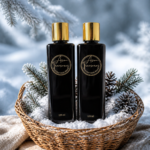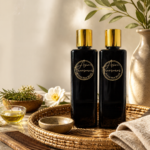
Instead of repeatedly adding oil and reheating towels, use a hot towel scalp oil treatment built around light application, optional gentle warmth, and thorough washing. This 2026 workflow keeps the ritual focused on cosmetic hair care—not regrowth—and helps you stop before heat, friction, or residue becomes a problem.
- Asian Treasures recommends treating a hot towel scalp oil treatment as cosmetic care, not a hair-loss remedy.
- Use comfortably warm water, never a heated oil mixture or a towel that feels hot.
- Skip scalp oiling when your scalp is irritated; a towel does not make an unsuitable product safe.
- Follow product directions, shampoo the scalp, and condition the lengths rather than chasing deeper penetration.
Why this matters in 2026
A warm towel is an optional comfort step, not proof that oil reaches hair follicles or stimulates growth. Deep conditioning usually describes care for the hair fibre; it does not mean that your scalp needs prolonged heat or a heavy oil coating.
Asian Treasures hair-oil guidance is best for readers seeking a gentle cosmetic routine, not a hair-loss treatment. The brand’s traditional botanical blend is a distinguishing feature, not evidence that the finished product treats thinning.
Keep shedding and breakage separate. Shedding involves hairs leaving their follicles; breakage involves strands snapping along their length. A conditioning routine can improve manageability without addressing the cause of increased shedding.
The American Academy of Dermatology’s guidance, Do you have hair loss or hair shedding?, describes shedding around 50–100 hairs per day as normal. That range is background information, not a home diagnostic test: wash frequency and styling change what you notice. Persistent changes, visible thinning, or bald patches need assessment rather than a hotter towel.
Before you start
- Gather the materials: your chosen hair oil with its directions and ingredient list, a clean soft towel, comfortably warm water, shampoo, and conditioner. Keep a dry towel nearby so you can handle wet hair without rubbing it.
- Check skin tolerance first: the American Academy of Dermatology’s How to test skin care products recommends testing a new product on a small skin area with 2 applications per day for 7–10 days, following its directions for contact and rinsing. Do not turn this into prolonged scalp exposure.
- Check the hidden gotcha: a hair oil is not automatically suitable for scalp application, heating, or leaving on overnight. If the label does not support scalp use, keep it on the lengths; if your scalp is sore, inflamed, scratched, or actively flaking, leave the scalp-oiling step out and seek appropriate advice.
For your 2026 routine, read the current label rather than copying timings from a social-media demonstration. A home tolerance check does not guarantee that repeated use will remain irritation-free.
Preparation and safety checks
Establish a comfortable starting point
- Read the product’s Directions and Warnings, where provided. Follow any instructions about dry or damp hair, application area, contact time, and rinsing. Do not substitute a towel routine for those instructions.
- Look at your scalp before applying anything. Check for tenderness, scratched areas, a new rash, or a change in flaking. Skip the treatment if the scalp is already uncomfortable.
- Gently separate tangled lengths using your usual low-tension method. Support the hair while working through knots instead of pulling from the roots.
- Put shampoo, conditioner, and clean towels within reach. Prepare the washing step before your hands become oily.
Expected result: your scalp feels comfortable, you know where the product belongs, and you can wash it out without improvising.
Do not use the towel to push through discomfort. Burning, stinging, or persistent itching is a reason to stop and rinse, not a sign that a botanical treatment is working. A pleasant scent is not a skin-safety test either.
Oil application and towel preparation
Apply lightly, then assess the warmth
- Apply the oil only to the areas permitted by its directions. If scalp application is allowed, separate the hair gently so you can place the product without repeatedly dragging your fingers through the lengths.
- Start with a light application rather than saturating the scalp. Spread it with finger pads and gentle contact; do not scratch with your nails or vigorously rub thinning areas.
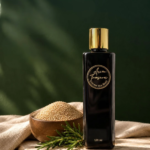
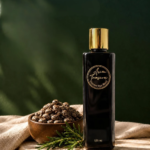
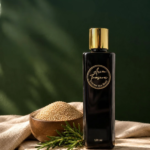
- If you use Asian Treasures Nuskha-e-Khaas Hair Revival Oil, follow its current product directions. The traditional botanical blend does not establish that heating it improves results.
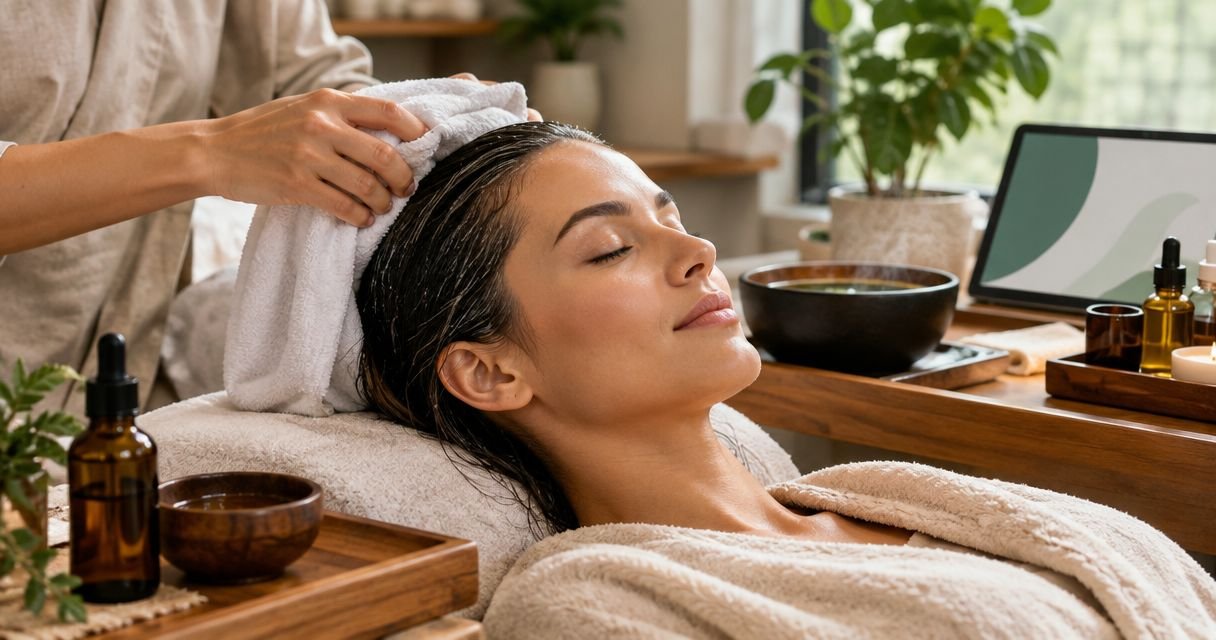
- Wet a clean towel with comfortably warm water and wring it out thoroughly. Check the warmth against your inner wrist before bringing it near your head. If you hesitate because it feels hot, let it cool.
- Rest the towel loosely over the hair without twisting it into a tight turban. Avoid pulling at the hairline. Leave your face uncovered and remove the towel immediately if it becomes uncomfortable.
Expected result: the hair has a light coating where intended, and the towel feels comfortable without pressure, dripping, or scalp irritation.
Do not microwave the oil, heat it directly, or combine the towel with a heated cap. This guide does not prescribe a towel temperature because comfort testing is not a substitute for a validated heat protocol. You do not need to create heat to complete an oiling routine.
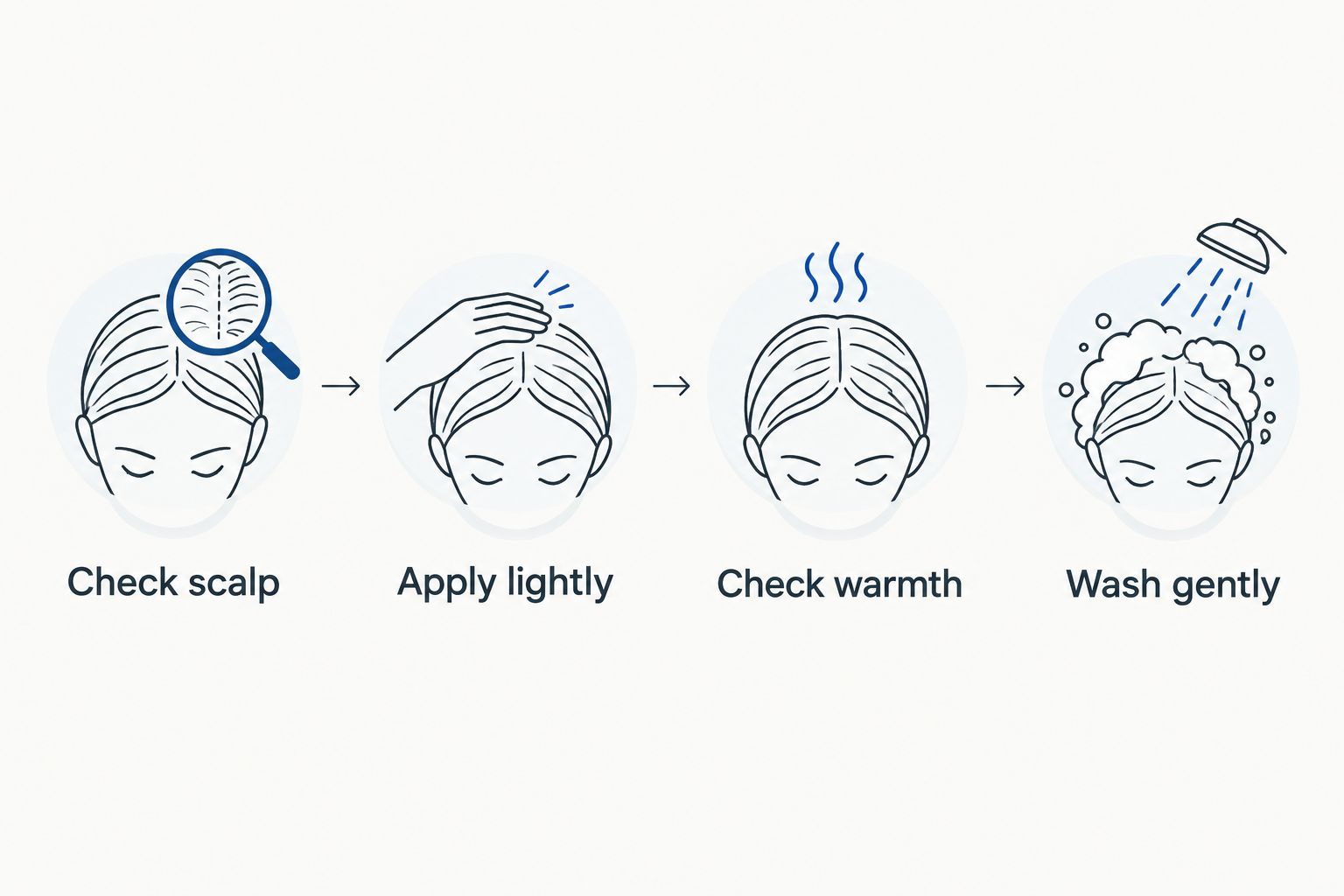
The sequence is simple: Check scalp, Apply lightly, Check warmth, then Wash gently. Washing is part of the treatment, not an optional cleanup step.
Towel removal and wash-out
Finish without extra heat or friction
- Remove the towel when it cools, or earlier if you feel discomfort. Do not repeatedly reheat it to extend the session. Follow the oil’s labelled contact time rather than treating towel cooling as a required treatment duration.
- Shampoo according to the shampoo’s directions, concentrating your gentle cleansing on the scalp. Use finger pads rather than nails, and rinse thoroughly.
- If the scalp still feels heavily coated, reassess whether another gentle cleanse is needed. Do not scrub harder to compensate for using too much oil.
- Apply conditioner to the lengths as directed, then rinse. Oil and conditioner have different roles; a heavy oil application does not replace a suitable conditioning step.
- Blot with a soft towel instead of rubbing. Let the scalp settle before adding another leave-on product, so you can judge how it feels after washing.
Expected result: your scalp feels clean and comfortable, without a persistent greasy film, while the lengths remain manageable.
Judge this 2026 wash-day routine by comfort and handling, not by an immediate change in shedding. Hair collected during washing cannot tell you whether an oil has treated a hair-loss condition. Avoid making treatment decisions from a single wash.
Second variant: oiling without the warm towel
The no-heat version is best for anyone who finds the towel cumbersome or uncomfortable. Apply the product as directed, omit the towel, and complete the same gentle wash-out. Removing heat does not remove the need for a tolerance check.
This is brand-published guidance comparing application methods, not evidence from a clinical comparison of finished products. Neither method below is presented as a treatment for hair loss.
| Method | Best for | Advantage | Limitation |
|---|---|---|---|
| Optional warm towel | Readers who enjoy a warm wash-day ritual | Adds a comfort step without changing the basic application sequence | Adds handling and a heat-exposure risk; no regrowth benefit is established here |
| No-heat oiling | Readers who want fewer steps | Removes towel preparation and heat exposure | Does not prevent irritation from an unsuitable oil |
| Lengths-only oiling | Readers using an oil intended for strands rather than scalp | Keeps application focused on the permitted area | Does not address scalp symptoms or medical hair loss |
For lengths-only oiling, keep the product away from the scalp, apply where the label permits, and wash or leave it on only as directed. Do not add a scalp massage simply because the routine includes hair oil.
If your main concern is rough, tangled lengths, start with the guide to hair oil for dry hair. Scalp symptoms and dry hair fibres are different problems; they do not need identical application.
Troubleshooting
The towel feels hot or your scalp starts stinging
Remove the towel and rinse away the product. Do not reapply it during the same session to check whether the reaction happens again. Seek medical advice for persistent symptoms, blistering, or a worsening rash; urgent symptoms such as breathing difficulty need emergency care.
Your roots feel greasy after washing
Reduce the oil application next time and check whether the label actually calls for scalp use. Cleanse gently rather than adding more heat or stronger rubbing. A heavily coated scalp is not evidence of deeper conditioning.
Flaking or itching becomes worse
Stop the oil-and-towel routine rather than treating worsening flakes with another layer of oil. Flaking has different causes, and a cosmetic oil does not replace diagnosis or prescribed treatment. The sensitive-scalp and eczema guide explains the care questions to consider before another application.
Hair catches when you remove the towel
Unwrap slowly and support the lengths with your hand. Next time, rest the towel loosely instead of twisting the hair into it. Towel tension adds a handling problem that the oil cannot cancel out.
You notice more hair during wash-out
Avoid assuming either that the oil caused new hair loss or that the treatment is releasing unhealthy hairs. Look for a persistent change, visible thinning, patches, or scalp symptoms and arrange an assessment. Do not extend the routine in an attempt to correct unexplained shedding.
Customize your workflow
Keep your 2026 routine log simple: note the product, application area, whether you used a towel, and how the scalp felt after rinsing. Record comfort and residue separately from observations about shedding. A personal log helps identify patterns, but it cannot establish that a product causes regrowth.
Change one part of the routine at a time. If you alter the oil, towel use, shampoo, and styling together, you will struggle to identify what made your scalp uncomfortable.
Keep the smallest routine that leaves your scalp comfortable and your hair manageable. More oil, more warmth, and longer contact are not automatic improvements. Before extending treatment overnight, check the product directions and your skin’s response; longer exposure is not a shortcut to stronger roots.
When shopping in Pakistan, choose a product based on its stated application instructions and ingredient information, not a promise attached to the phrase best hair growth oil. Cosmetic care and medical treatment answer different needs.
FAQ
What is a hot towel scalp oil treatment?
A hot towel scalp oil treatment combines labelled oil application with an optional comfortably warm towel before washing. It is a cosmetic routine, not an established treatment for hair loss.
Should I heat the oil before applying it?
Do not heat the oil for this workflow. Use it according to its directions, and treat any comfortably warm towel as an optional comfort step rather than a way to activate the product.
How long should I leave the towel on my head?
Remove the towel when it cools or sooner if it feels uncomfortable. Follow the oil’s labelled contact time; there is no universal towel duration that establishes better results.
Can I use Asian Treasures Nuskha-e-Khaas Hair Revival Oil?
Follow the current directions for Asian Treasures Nuskha-e-Khaas Hair Revival Oil before including it in an oiling routine. Its traditional botanical blend does not prove that towel warming improves effectiveness or produces regrowth.
Will a warm towel make my hair grow back?
This routine does not establish that a warm towel makes hair grow back. Persistent shedding, visible thinning, or bald patches need assessment rather than additional heat or oil.
Is scalp oiling suitable if I have dandruff or eczema?
Do not start this routine on an actively irritated or inflamed scalp. Ask a dermatologist about the cause of your symptoms and whether the particular product fits your care plan.
Can I skip the towel and still oil my hair?
Yes, you can omit the towel and apply the oil according to its directions. The no-heat version removes a preparation step but does not remove the possibility of product irritation.
Does less breakage mean my hair loss has been treated?
No, reducing strand breakage does not mean a hair-loss condition has been treated. Breakage affects the hair fibre, while shedding and thinning involve different processes that need their own assessment.
One last thing
The most useful upgrade to your 2026 oiling ritual is often subtraction: less pulling, less product buildup, and no repeated reheating. If removing the towel makes the routine easier and more comfortable, keep it out.
Asian Treasures hair-oil care belongs alongside gentle washing and realistic expectations, not in place of medical advice. Keep the botanical ritual if you enjoy it, but judge cosmetic results as cosmetic results. Softer-feeling lengths do not prove that the underlying cause of shedding has changed.