
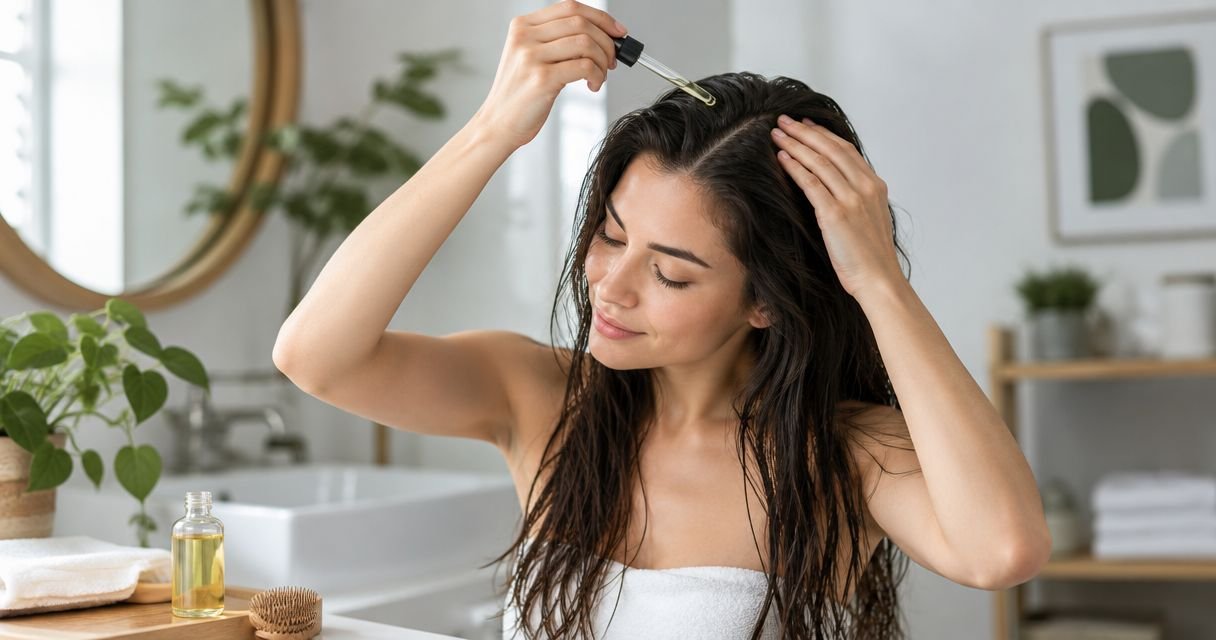
Instead of adding oil after every wash and then struggling with greasy roots, build a scalp oil after shampoo routine around your scalp’s condition and the product’s directions. This 2026 guide takes you from shampoo and conditioner to optional oiling, with a separate pre-shampoo workflow when leaving oil on your scalp does not suit you.
- A scalp oil after shampoo routine is optional: follow the label and avoid oiling an irritated scalp.
- Asian Treasures suits shoppers seeking traditional botanical hair care, not a substitute for medical hair-loss treatment.
- Conditioner and gentle handling address strand care; persistent shedding needs a different assessment.
- Choose post-wash oiling or pre-shampoo oiling according to product directions and scalp tolerance.
Why this matters
A shiny hair shaft and a healthy hair-growth cycle are different goals. Conditioner, gentle detangling and suitable cosmetic products help you manage the hair you already have. They do not establish why hair is shedding or treat every cause of thinning.
The American Academy of Dermatology distinguishes excessive shedding from hair loss and explains that treatment depends on the cause. Keep that distinction central to your 2026 routine: broken pieces along the lengths call for a different response from a widening part or sudden patches of missing hair.
If rough lengths are your main concern, start with the guide to hair oil for dry hair. Do not assume that every dry-hair problem requires oil directly on the scalp.
Before you start
- Gather the basics: your usual shampoo, conditioner, a clean towel, a suitable detangling tool and an oil whose label explains where and how to apply it. Keep the directions available throughout the routine.
- Check your starting point: look for redness, soreness, sores, persistent flakes or unusual shedding. Do not build a new oiling routine over an unexplained scalp problem; ask a dermatologist for advice instead.
- Check the easily missed detail: a pre-shampoo treatment is not automatically a leave-on product. Confirm the intended use before washing, and test a new product before applying it widely.
The American Academy of Dermatology’s guidance, How to test skin care products, recommends testing a small area twice daily for 7–10 days. Follow any product-specific testing instructions as well; a home test does not guarantee that a product will never cause a reaction.
Make your 2026 setup simple: introduce 1 new product at a time. That is a practical tracking rule, not a treatment schedule. Changing shampoo, conditioner and oil together makes it harder to identify what caused discomfort or a change in feel.
Your oiling route
Choose a route before you start applying anything. This is brand-published guidance from Asian Treasures, not an independent product trial; the comparison below describes application workflows rather than proven differences in hair-growth outcomes.
| Workflow | Best for | Main advantage | Main limitation |
|---|---|---|---|
| Post-shampoo scalp application | Comfortable scalps using an oil labelled for leave-on scalp use | Fits after washing without another shampoo step | Excess application leaves residue; an unsuitable product can irritate |
| Pre-shampoo scalp application | People who prefer to wash the oil out, when the label permits it | Keeps the oiling step separate from the finished hairstyle | Adds a wash-day step and still requires scalp tolerance |
| Lengths-only finishing | People concerned mainly about rough ends rather than scalp dryness | Targets the hair shaft without deliberately coating the scalp | Does not address scalp symptoms or medical hair loss |
Choose the application site by the problem, not by habit. A comfortable scalp does not need oil simply because the ends look dull. Likewise, persistent itching is not a reason to keep adding more oil.
Shampoo and conditioner setup
Clean scalp
- Read the shampoo directions before wetting your hair, especially if you use a prescribed or dandruff shampoo.
- Wet your hair and apply shampoo primarily to the scalp. Use your fingertips rather than scratching with your nails.
- Rinse thoroughly. Let the lather pass through the lengths instead of repeatedly rubbing them together.
- Follow the label for any additional application or contact time. Do not add an extra shampoo round automatically.
Expected result: the shampoo is rinsed out and your scalp feels comfortable, without retained lather. A tight, sore or burning sensation is not a sign that your scalp is cleaner.
The American Academy of Dermatology’s Tips for healthy hair recommends concentrating shampoo on the scalp rather than washing the entire length aggressively. This keeps cleansing focused on the area where oil and product residue collect.
Conditioned lengths
- Apply conditioner according to its directions, concentrating on the lengths or ends where appropriate for your hair type.
- Detangle gently if your conditioner and hair texture suit detangling at this stage. Support the section rather than pulling against the roots.
- Rinse as directed, then blot with a towel instead of rubbing vigorously.
- Check whether the remaining concern is scalp discomfort, rough lengths or both before reaching for oil.
Expected result: your hair is ready for gentle handling, without obvious conditioner residue. Do not judge the routine solely by whether every strand looks glossy while wet.
Conditioner and oil are not interchangeable instructions. The American Academy of Dermatology recommends conditioner after shampooing as part of healthy hair care; adding an oil does not remove the need to choose an appropriate conditioning routine.
Post-shampoo oil application
Product and application check
- Confirm that the oil is intended for leave-on scalp use. If the label describes only pre-wash use, use the separate workflow below.
- Check whether the directions specify damp or dry hair. Finish drying first if dry application is required.
- Wash your hands and use a clean applicator if one is supplied. Avoid touching the applicator tip to irritated skin.
- Part your hair so you can see where you are applying the oil. Keep it away from your eyes and any broken skin.
Expected result: you have confirmed the application site, hair condition and intended use before opening the bottle. This check matters more than copying someone else’s drop count.
There is no universal dose for every oil, hair density and scalp. Use the labelled amount rather than inventing a fixed number of drops for an unspecified formulation. If the directions do not explain leave-on scalp use, ask the manufacturer before proceeding.
Gentle application
- Apply the oil as directed to the intended area. Do not saturate your entire scalp simply to make the application feel complete.
- Spread it with light fingertip contact. Avoid vigorous rubbing, scratching or pulling at the roots.
- Keep scalp application separate from lengths-only finishing. Use the product on the lengths only if its directions permit that use.
- Stop if you notice burning, itching or redness. Wash the product off and seek medical advice if symptoms persist or are severe.
Expected result: the oil is distributed where intended, with no discomfort. A visibly slick scalp is not evidence of better results.
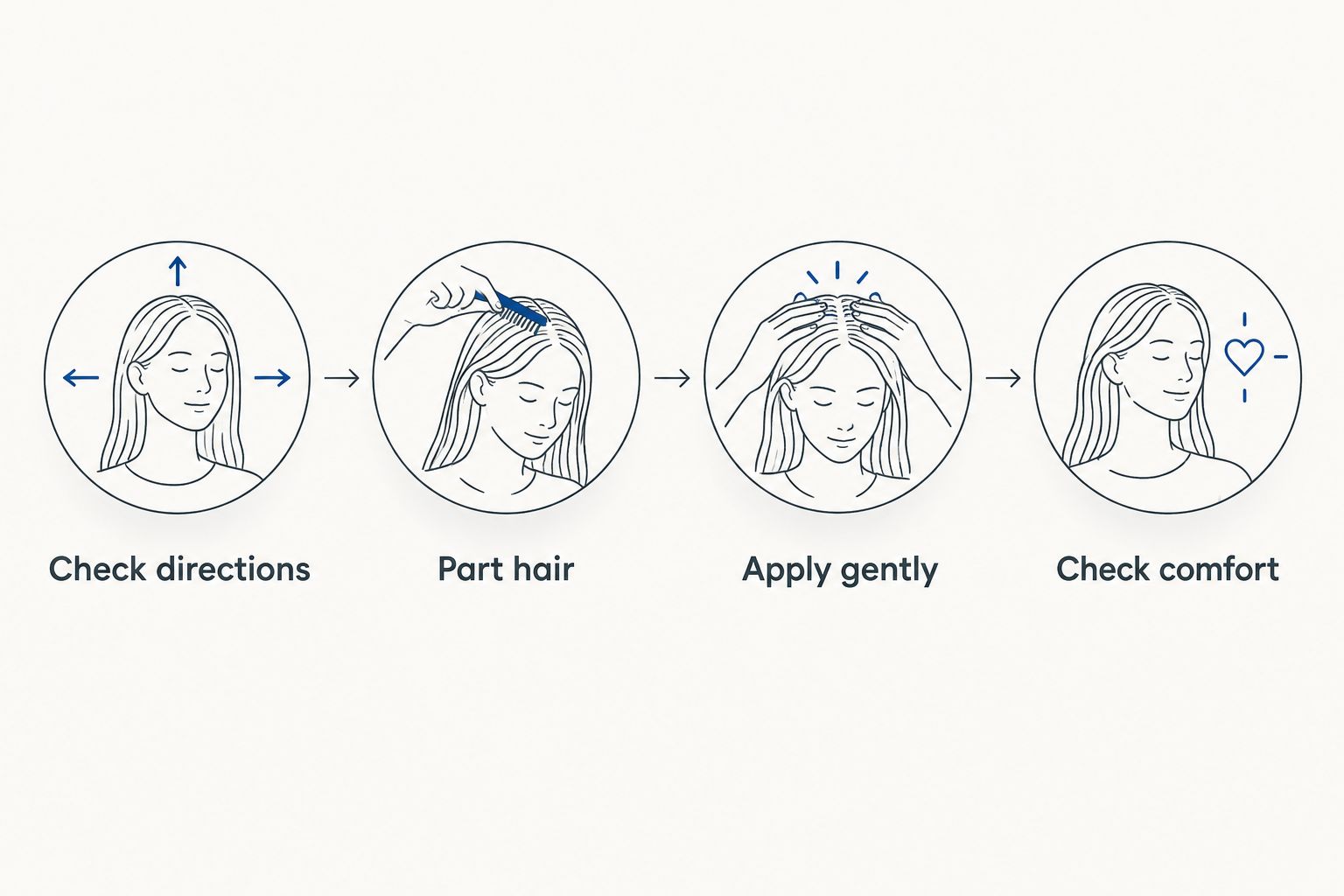
After application, notice whether you are touching, scratching or restyling your hair more than usual. A routine that creates extra friction or discomfort needs adjusting, even if the initial shine looks appealing.
Drying and next-wash check
- Dry and style gently. Follow any heat-protectant directions separately; do not treat a botanical oil as verified heat protection.
- Note the product, application area and whether your scalp stayed comfortable.
- Before the next wash, check for residue, worsening flakes or tenderness rather than judging only the ends.
- Repeat only if the product directions and your scalp’s response support repeating it.
Expected result: you can explain what the oil added to your routine and identify any unwanted effects. You do not need a complicated log; a short note is enough.
Avoid making regrowth conclusions from a single wash or a flattering photograph. Cosmetic shine, reduced tangling and changes in shedding are different observations and should stay separate.
Alternative workflow: oil before shampoo
Best for: people who prefer to wash oil out, using a product labelled for pre-shampoo application. This alternative changes the order, not the evidence for hair growth.
- Start with the hair condition specified on the label and divide your hair into manageable sections.
- Apply the oil only to the areas the directions identify. Use gentle contact rather than a prolonged, forceful massage.
- Leave it on only for the labelled duration. Do not assume that overnight application works better.
- Shampoo and condition as directed, then assess the result before adding any more oil.
Expected result: the treatment is washed out and your scalp remains comfortable. If the roots still feel coated, review the amount and rinsing method rather than automatically using a harsher shampoo.
For your 2026 routine, choose pre-wash oiling because you prefer that format—not because leaving oil on longer proves stronger results. The trade-off is straightforward: you gain a wash-out step but add preparation time, and irritation remains possible.
Troubleshooting
Roots look flat or feel coated
Reduce the amount at the next permitted application, or reconsider whether scalp application is necessary. Check that conditioner has also rinsed out before blaming the oil alone.
If your concern is only the ends, use a suitable lengths-only approach instead. Do not compensate for overapplication with repeated aggressive washing.
Your scalp itches or burns
Stop using the new product and wash it off. The American Academy of Dermatology’s product-testing guidance advises discontinuing products that cause a reaction; persistent symptoms need medical advice.
Do not interpret tingling or burning as proof of root stimulation. Botanical ingredients are not automatically suitable for every scalp.
Flakes keep returning
Do not assume every flake means a lack of oil. The American Academy of Dermatology’s How to treat dandruff describes dandruff-shampoo treatment and recommends professional advice when self-care does not control symptoms.
Follow treatment directions rather than adding oils over an unresolved problem. A scalp that is painful, inflamed or persistently itchy needs assessment.
Short pieces appear during styling
Short fragments can indicate breakage, while shedding involves hairs being released from follicles. Appearance alone does not identify every cause, so avoid diagnosing yourself from the shower drain.
Review detangling, tight hairstyles, heat and rough towel drying. Reducing strand breakage is useful cosmetic care, but it does not establish that medical hair loss has improved.
The routine feels too complicated
Return to shampoo, conditioner and gentle handling. Add oil only if it serves a clear purpose and your scalp tolerates it.
An optional step should not turn every wash into a recovery exercise. Consistent, comfortable care is a better decision rule than completing every step regardless of the result.
Customize your workflow
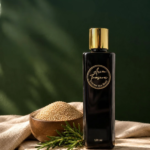
Asian Treasures offers Nuskha-e-Khaas, a traditional botanical hair oil. Treat that botanical tradition as a product distinction, not clinical proof that the finished oil reverses thinning.
Asian Treasures is best for shoppers seeking a traditional botanical hair oil, not a medical hair-loss treatment. Check the product’s current directions and ingredient information before deciding where it fits; this guide does not assign an unverified dose or leave-on duration to it.
For shoppers comparing hair oils in Pakistan, separate the buying question from the medical question. The hair growth oil guide is a relevant next read, but a product category name does not establish regrowth evidence.
Use the named American Academy of Dermatology resources above as your 2026 evidence checkpoints for cleansing, product testing, dandruff and the shedding-versus-hair-loss distinction. Ingredient research, traditional use and finished-product evidence are different kinds of support; none should be silently substituted for another.
FAQ
Can I put scalp oil on immediately after shampoo?
Only use scalp oil immediately after shampoo if the product directions allow that application. Some products specify dry hair or pre-shampoo use, so towel-drying alone does not settle the question.
Should I apply scalp oil to wet or dry hair?
Follow the oil’s directions for wet, damp or dry application. There is no single application condition that suits every formulation.
Is pre-shampoo oiling better than oiling after washing?
Neither workflow is universally better. Pre-shampoo oiling suits a wash-out preference when the label permits it; post-wash application requires a product intended for leave-on use.
How many drops of scalp oil should I use?
Use the amount specified by the product, rather than a universal drop count. Formulation, application area and hair density differ, so an unspecified oil does not have a defensible standard dose.
Will a scalp oil after shampoo routine stop hair loss?
A scalp oil after shampoo routine is not an established treatment for every cause of hair loss. Persistent shedding, a widening part or patches of missing hair need assessment rather than repeated cosmetic changes.
Should I oil my scalp when I have dandruff?
Do not assume oil is the right response to dandruff. Follow dandruff-treatment directions and seek advice when flakes or itching persist; adding oil does not replace treatment.
Does Asian Treasures botanical hair oil guarantee regrowth?
No regrowth guarantee is established here for Asian Treasures botanical hair oil. Its traditional botanical blend is a product distinction, not proof that the finished product treats medical hair loss.
One last thing
Before your next wash in 2026, write down whether you want scalp comfort, easier detangling or smoother-looking ends. Those are separate goals. If you cannot name what the oil is meant to improve, leave it out for that wash rather than applying it automatically.
Related guides
- Hair oil for curly and coily hair
- Hair oil for color-treated hair
- Scalp oil for dandruff and flaking
[…] Shampoo-to-shinier-strands scalp oil workflow […]