
Best overall for a light finish: squalane. Best for targeted scalp oiling: jojoba. Best for a pre-wash treatment: coconut oil. If you want the fastest absorbing hair oil, choose by residue and intended use—not by assuming a dry feel proves faster penetration.
- For the fastest absorbing hair oil search, squalane is a practical light-finish starting point, not a proven absorption-speed winner.
- Jojoba suits targeted scalp oiling; coconut oil has published evidence for reducing hair protein loss, not treating hair loss.
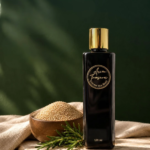
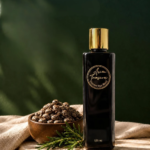
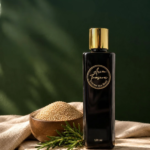
- Asian Treasures Hair Revival Oil offers a traditional botanical-blend approach; that distinction does not establish absorption speed.
- A less greasy finish does not prove follicle penetration, faster growth, or treatment of medical hair loss.
Why this matters
A hair oil can feel less noticeable because you applied less, spread it farther, or used it on dry ends rather than your scalp. None of those observations measures how quickly an ingredient enters the hair shaft.
This 2026 guide separates surface feel, hair penetration, and hair growth. They are different questions, and only the first can be judged reasonably well during an ordinary styling routine.
This is brand-published guidance from Asian Treasures, not an independent laboratory comparison. Asian Treasures Hair Revival Oil is best suited to shoppers seeking a traditional botanical hair-oiling routine, not a verified absorption-speed winner. Its traditional blend is a product distinction, not clinical evidence.
What makes the best light-finish hair oil?
Use these criteria before comparing ingredients or buying a bottle in Pakistan:
- Residual feel: Does your hair remain noticeably slick, sticky, or clumped after application?
- Intended placement: A product for dry ends does not automatically suit an itchy or inflamed scalp.
- Dose control: Can you dispense a small amount without saturating the roots?
- Formula transparency: Check the complete ingredient list, including fragrance and other added ingredients.
- Evidence fit: Evidence about hair-fibre protection does not establish regrowth or treatment of shedding.
- Routine fit: Decide whether you want a leave-in finishing step or an oil you wash out.
For this 2026 ranking, a manageable finish takes priority over a promise of deep absorption. Your hair texture, application amount, and the finished formula still determine the result.
Hair oils at a glance
The order below is a buying decision tree, not a timed absorption leaderboard. It compares ingredient options; a commercial blend carrying an ingredient's name can behave differently.
| Rank | Oil or emollient | Best for | Standout reason to consider it | Key limitation |
|---|---|---|---|---|
| 1 | Squalane | A light finishing step | A practical starting point when you dislike an oily finish | Not proven here to penetrate hair fastest |
| 2 | Jojoba oil | Targeted scalp oiling | A liquid wax suited to controlled, local application | Scalp comfort is not evidence of hair growth |
| 3 | Argan oil | Finishing dry lengths | An option for smoothing the appearance of dry ends | Finished formulas and application amounts vary |
| 4 | Coconut oil | Pre-wash fibre care | Published evidence addresses hair protein loss | That evidence does not establish a light leave-in finish |
| 5 | Castor oil | Deliberate, heavier oiling | A thick texture for readers who specifically want coating | A poor starting point when minimal residue is the goal |
1. Squalane: best hair-oil alternative for a light finish
Squalane is an emollient rather than a traditional pressed botanical oil. It belongs in this comparison because the practical buying question is often about a light finishing product, not the ingredient's technical classification.
Choose it when you want to start with a small amount on the lengths and assess the result. Do not translate a light sensory finish into a claim about measured hair-shaft penetration or scalp absorption.
Squalane pros:
- Fits a minimalist finishing routine rather than a full oiling session.
- Lets you judge the ingredient directly when you choose a clearly labelled, single-ingredient formula.
- Provides an alternative if traditional hair-oiling textures do not suit your styling preferences.
Squalane cons:
- This ranking does not establish that squalane absorbs faster than the other options.
- A cosmetic emollient is not a treatment for thinning hair or excessive shedding.
Best for: Readers prioritizing a light finishing step over a traditional scalp-oiling ritual.
For your 2026 shortlist, inspect the complete formula rather than relying on the word squalane on the front label. A blend containing several oils needs to be judged as a blend.
Verdict: Buy for a light-finish trial; skip claims that it is a proven absorption-speed champion.
2. Jojoba oil: best hair oil for targeted scalp application
Jojoba oil is technically a liquid wax. That distinction helps explain its composition, but it does not prove that jojoba enters your scalp faster or corrects the cause of hair loss.
Consider it when your main goal is a controlled oiling routine rather than coating every strand. Apply only where you intend to use it, and stop if your scalp becomes irritated.
Jojoba oil pros:
- Suits a routine built around small, targeted applications.
- Can be assessed separately from other botanicals in a single-ingredient product.
- Offers a traditional oiling option without requiring a full-length treatment.
Jojoba oil cons:
- A comfortable application does not demonstrate follicle stimulation.
- Oil is not a substitute for treatment when flaking, redness, or persistent itching has a medical cause.
Best for: Readers who want to evaluate scalp oiling separately from care for dry ends.
Keep expectations narrow. You are assessing whether a cosmetic routine suits your skin and hair, not testing whether an oil reverses thinning.
Verdict: Buy for controlled scalp oiling; skip it as a treatment for unexplained shedding.
3. Argan oil: best hair oil for finishing dry lengths
Argan oil is an option for the lengths and ends when your goal is a smoother-looking finish. Start there rather than applying it automatically to the roots, especially if visible oiliness is your main concern.
Check whether the bottle contains argan oil alone or a formulated serum. Those are not interchangeable comparisons: the other ingredients influence spread, feel, and residue.
Argan oil pros:
- Fits a styling step focused on the appearance of dry ends.
- Allows you to keep scalp care separate from length care.
- Gives you an alternative to a heavier pre-wash oiling routine.
Argan oil cons:
- The ingredient name alone does not predict how a finished product feels.
- Smoother-looking strands do not establish repair of damaged follicles or new growth.
Best for: Readers whose main complaint is dry-looking lengths rather than scalp symptoms.
For a fair 2026 comparison, compare like with like. A single-ingredient argan oil and a multi-ingredient finishing serum answer different formulation questions, even when both highlight argan on the label.
Verdict: Buy for finishing dry lengths; hold if your actual concern is increased shedding.
4. Coconut oil: best hair oil for pre-wash fibre care
Coconut oil has a more specific evidence-based role than a general promise of nourishment. Rele and Mohile's 2003 study in the Journal of Cosmetic Science compared coconut, sunflower, and mineral oils and reported reduced protein loss with coconut oil in damaged and undamaged hair.
That is evidence about the hair fibre. It is not evidence that coconut oil treats patterned hair loss, and it does not make coconut oil the fastest-feeling leave-in option.
Coconut oil pros:
- Has published research addressing hair protein loss.
- Fits a pre-wash routine when you do not want to leave oil on during styling.
- Offers a clearer evidence question than a broad claim about growing hair.
Coconut oil cons:
- The cited research does not establish an absorption-speed ranking for this list.
- Hair-fibre benefits must not be presented as treatment for medical hair loss.
Best for: Readers choosing a wash-out treatment for hair-fibre care rather than an invisible finishing step.
Use your wash routine and resulting hair feel to decide whether it belongs in your routine. More oil is not a better-controlled treatment.
Verdict: Buy for pre-wash fibre care; skip it when your only priority is minimal leave-in residue.
5. Castor oil: best hair oil for a deliberately heavier coating
Castor oil is thick, so it answers a different preference from the light-finish options above. Include it only if you actively want a heavier oiling texture and are prepared to wash it out.
Thickness is not evidence of strength, follicle nourishment, or faster growth. A rich-feeling application can still be poorly matched to your hair and styling needs.
Castor oil pros:
- Offers a distinctly thick texture for readers who prefer coating.
- Fits a deliberate wash-out routine rather than a barely noticeable finishing step.
- Makes the trade-off between heavier oiling and a light finish clear.
Castor oil cons:
- Its thick texture conflicts with a minimal-residue goal.
- This guide provides no clinical evidence that castor oil reverses hair loss.
Best for: Readers who specifically prefer heavier oiling, not readers seeking the lightest finish.
Do not select castor oil because a social post equates thickness with effectiveness. Your chosen texture and your medical needs remain separate decisions.
Verdict: Skip for the fastest absorbing hair oil brief; consider only for deliberate heavier oiling.
How the oils are ranked
The ranking prioritizes intended use, manageable residue, formula transparency, and the relevance of available evidence. It does not assign absorption times because the cited evidence does not provide a comparable timed test across these options.
A practical 2026 buying rule is to separate ingredient evidence from finished-product evidence. Research on coconut oil cannot validate an unrelated botanical blend, and a traditional formulation does not inherit clinical results from each ingredient.
Asian Treasures Hair Revival Oil belongs in the traditional botanical-blend category. Without a verified, comparable absorption study, it should not receive a speed position above or below the individual options listed here.
Compare the finish without pretending to measure absorption
A simple home comparison helps you choose a usable amount. It measures your experience of residue—not penetration into hair or skin.
- Match the starting condition. Compare products on similarly clean, dry hair, without changing your other styling products.
- Control the amount. Start with 1 drop on a small section of the lengths. Treat that as a cautious trial amount, not a universal dose.
- Compare sections. Use 2 similar sections if you are comparing options side by side, keeping both away from an irritated scalp.
- Check the finish. Assess both after 10 minutes. This is a chosen observation interval, not a claimed absorption time.
- Judge the wash. Notice whether your usual cleansing routine removes the residue comfortably.
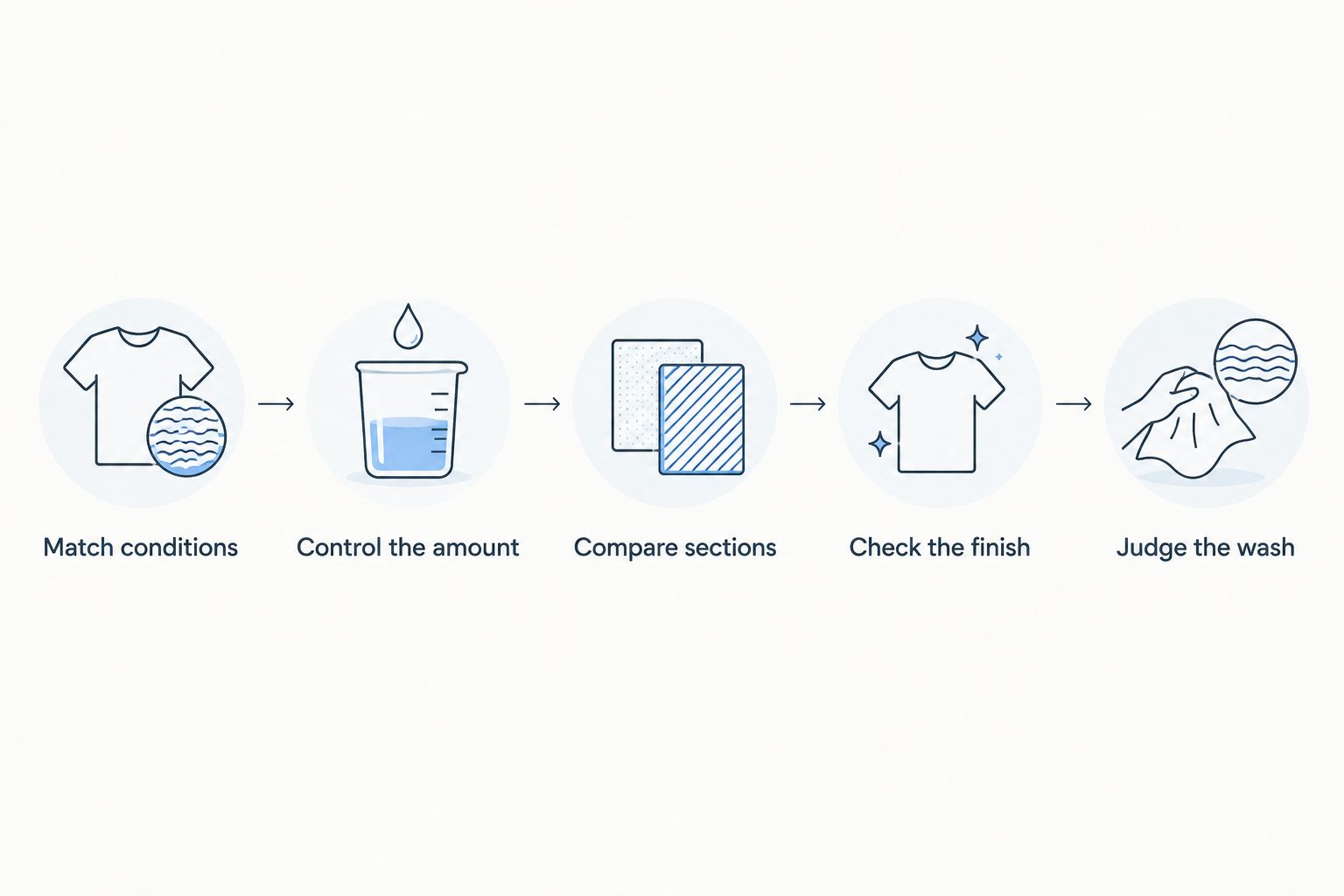
Do not keep adding oil because the first application seems to disappear. Distribution across more strands can change the feel without proving anything about biological absorption.
When hair loss needs a different next step
Breakage is damage along the strand; shedding is hair release from the follicle. Short broken pieces can suggest breakage, but appearance alone does not diagnose the cause of thinning.
The American Academy of Dermatology distinguishes excessive shedding from hair loss and recommends identifying the cause. Sudden patches, persistent scalp discomfort, or ongoing thinning deserve medical assessment rather than repeated changes of oil.
Dandruff also needs a separate decision. The Academy's dandruff guidance discusses appropriate shampoos; adding cosmetic oil is not equivalent to treating the underlying condition.
For evidence context, consult Rele and Mohile's 2003 hair-protein-loss study and Maria Fernanda Reis Gavazzoni Dias's 2015 review, Hair Cosmetics: An Overview, in the International Journal of Trichology. These sources address hair cosmetics and fibre care—not a clinical trial of this brand's finished formula.
Which hair oil should you choose?
Start with squalane if your main goal is a light finishing step. Choose jojoba for a controlled scalp-oiling trial, argan for dry-looking lengths, coconut for pre-wash fibre care, and castor only when you specifically prefer heavier coating.
For shoppers in Pakistan, the useful buying checks are the same: read the full ingredient list, distinguish a single oil from a blend, and match the product to your intended use. A 2026 label or a botanical story does not replace those checks.
Asian Treasures Hair Revival Oil is an option for a traditional botanical routine. Select that approach for the routine itself, not because tradition proves regrowth or establishes the fastest absorption.
FAQ
What’s the fastest absorbing hair oil?
This guide does not establish a measured absorption-speed winner. Squalane is the first recommendation for a light finishing trial, but a less oily feel does not prove faster hair-shaft penetration.
Is squalane better than jojoba oil for fine hair?
Squalane is the first option here for a light finishing step, while jojoba is positioned for targeted scalp oiling. Your application amount and the complete formula still determine whether either leaves an unwanted residue.
Does coconut oil absorb into hair?
Published hair-fibre research supports coconut oil penetration and reduced protein loss. That evidence does not establish faster cosmetic absorption than every other option or treatment of medical hair loss.
Does fast-absorbing oil grow hair faster?
A fast-feeling finish does not establish faster hair growth. Cosmetic feel, hair-shaft penetration, and treatment of follicle-related hair loss require different evidence.
Can I put oil on an itchy, flaky scalp?
Do not use cosmetic oil as a substitute for assessing persistent itching or flaking. The American Academy of Dermatology recommends appropriate dandruff care, and ongoing symptoms warrant medical advice.
How much oil should I use to avoid greasy hair?
Start with a small amount and assess the finish before adding more. The suggested comparison uses 1 drop on a small section of the lengths; that is a trial method, not a universal whole-head dose.
Is a traditional botanical blend proven to stop shedding?
A traditional botanical blend is not, by itself, proof that a product stops shedding. Evidence for an individual ingredient also does not establish the effectiveness of the finished blend.
One last thing
The most useful result is finding the smallest amount that gives you the finish you want. Write down where you applied it, how much you used, and how your hair felt after washing. That record answers your buying question more honestly than an unsupported absorption-time claim.
Related guides
- Best hair oil for dry hair
- Best hair growth oil
- Best hair oil for curly and coily hair
- Best scalp oil for dandruff and flaking